
CCLP volunteer Elzer McReynolds argues why tax flight is a harmful idea to states trying to enact higher taxes on the top 1% of earners.
Recent articles
CCLP reflections from Litigation and Advocacy Leaders Conference
Annie Martínez reflects on the Litigation and Advocacy Leaders Conference they attended with support from our CCLP Rights Defenders donors.
Economic policy and young adulthood in Colorado: A new report series from CCLP
CCLP’s newest report series focuses on economic policy and young adulthood in Colorado and the ways in which public benefits do and do not support their needs.
CCLP comments on Xcel Energy’s proposed rate increase
Milena Tayah provided comments to the Public Utilities Commission regarding Xcel Energy’s proposed rate increase on Colorado consumers’ energy bills.
Medical Debt and Credit Reporting: A CCLP Deep-Dive, Part 1: Introduction
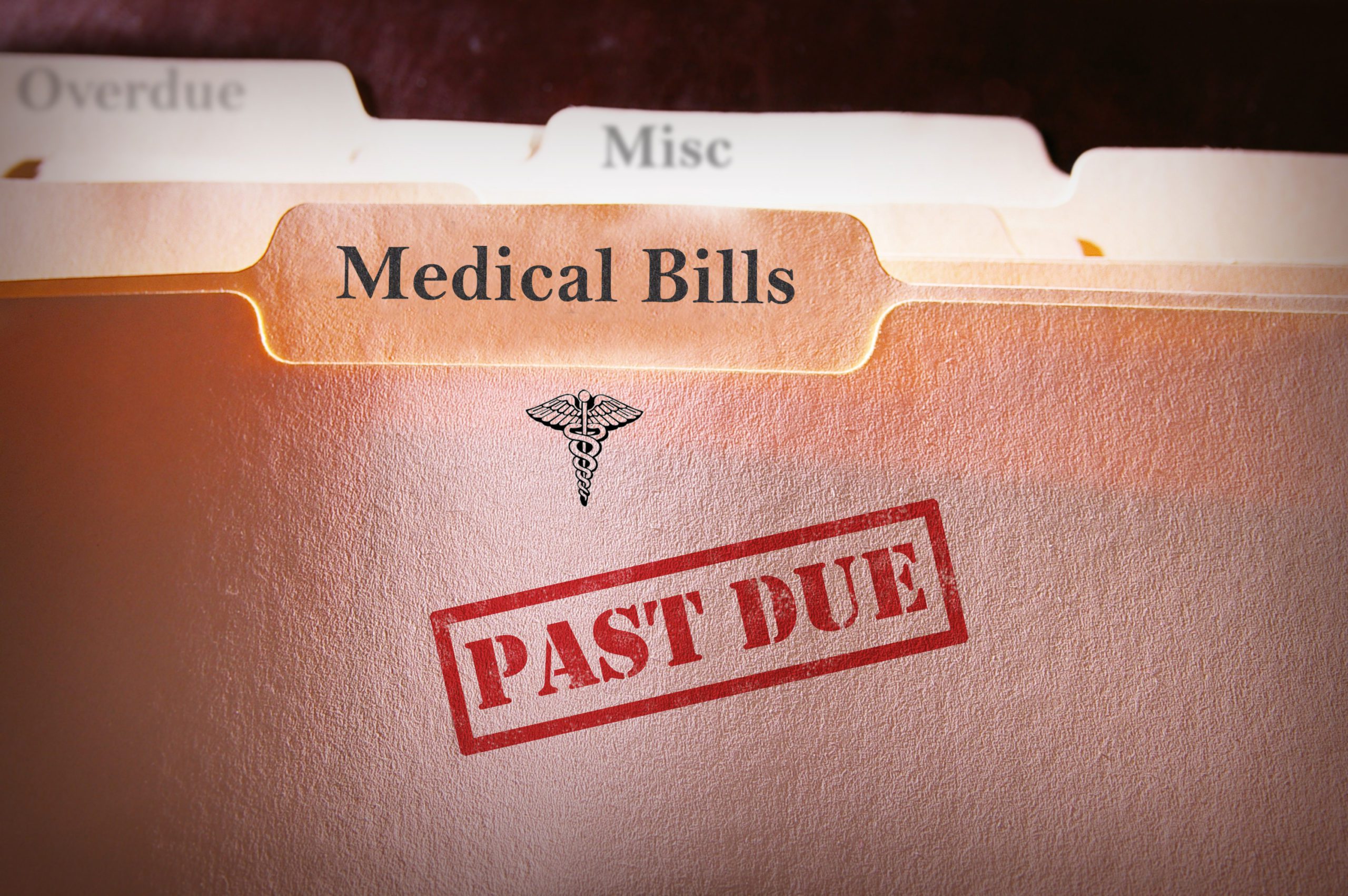
Low credit scores can wreak havoc on a person’s life. From housing to employment, it can take years for a person’s credit score to recover from a derogatory mark. An account in collections remains on a credit report for seven years, even if the debt has been settled with creditors. When people think of debt that harms credit scores, people often think of frivolous, irresponsible credit card spending on luxury items, but data shows that the majority of consumer debt in collections is medical debt – the astronomical bills that follow accidents, illnesses, or disabilities that are out of people’s control. If you don’t carry medical debt, you likely know someone who does.
According to the Consumer Financial Protection Bureau, in 2021, 58% of all debt collections were for medical debt, far larger than any other category. In comparison, the next highest portion of debt, telecommunications debt, amounts to only 15%. Medical debt accounts for nearly four times the amount of other debt, showing us just how prevalent medical debt is.
In this series, we’ll explore the nature of medical debt, the severe impacts of medical debt on the lives of patients and their families, and how a new CCLP-led bill, House Bill 23-1126, proposes to dramatically improve the situation for Coloradans everywhere.
The scourge of medical debt
Medical debt is the product of an out-of-control healthcare system which is unaffordable for many Americans. Gofundme.com, the self-proclaimed “leader in online medical fundraising,” reports over 250,000 medical fundraisers per year, amounting to $650 million dollars raised annually. Though these numbers are a powerful testament to the kindness of neighbors, friends and families, these numbers are also a harrowing reminder of the problems with healthcare in America. We should collectively balk at these numbers — the healthcare industry is raking in record profits while patients must beg strangers online for relief.
The main factors contributing to the rising medical debt crisis are rising health care prices and increase in cost-sharing and insurance plans with high out-of-pocket costs for patients. Medical debt is the largest contributor of personal debt in the United States, at an astounding $88 billion. In Colorado alone, the debt totals $1.3 billion. Nearly 13% of all Coloradans have medical debt in collections, which puts the state above the national average of 9%. According to the National Consumer Law Center’s 2019 report, Don’t Add Insult to Injury: Medical Debt & Credit Reports, “nearly 1 in 6 Americans were contacted by a debt collector over a health care bill in the past year.”
Medical debt can impact a person’s life in myriad ways, from housing stability, to physical and mental health. A Kaiser Health report showed that 70% of people struggling to pay medical bills (including those with and without insurance) reported having to “cut back spending for food, clothing, or basic household items.” Another study by the JAMA Network found that people carrying medical debt are 2-3 times more likely to experience “food insecurity, being unable to pay rent or mortgage and utilities, and experiencing eviction or foreclosure.” Furthermore, having medical debt can itself be a barrier to accessing healthcare services. Of people who carry medical debt, one in seven adults have been denied services due to their debt, and eight in ten adults report skipping or delaying care or medications because of the cost, which in turn, can greatly exacerbate existing physical and mental health conditions.
Medical debt is a vicious cycle of systemic failures and causes incalculable harm to vulnerable Coloradans, especially those with marginalized identities. Stay tuned for the next articles in this series, where we will be deep diving into the world of credit reporting and the inequitable and harmful practice of including it on credit reports.
Recent articles
Guest Column: Tax Flight, The Harmful Persistence of an Unfounded Idea
CCLP volunteer Elzer McReynolds argues why tax flight is a harmful idea to states trying to enact higher taxes on the top 1% of earners.
CCLP reflections from Litigation and Advocacy Leaders Conference
Annie Martínez reflects on the Litigation and Advocacy Leaders Conference they attended with support from our CCLP Rights Defenders donors.
Economic policy and young adulthood in Colorado: A new report series from CCLP
CCLP’s newest report series focuses on economic policy and young adulthood in Colorado and the ways in which public benefits do and do not support their needs.
CCLP comments on Xcel Energy’s proposed rate increase
Milena Tayah provided comments to the Public Utilities Commission regarding Xcel Energy’s proposed rate increase on Colorado consumers’ energy bills.