Letter from Lydia McCoy, CEO
Living in interesting times

This isn’t the time for sugarcoating.
In the past year we’ve watched an unprecedented onslaught on the rights of all Americans, with particular focus on those who our society has long marginalized — immigrants, disabled people, and all those struggling to make ends meet. We’ve watched, seemingly helpless at times, as major wins of the past have been rolled back, often for no other reason than greed or abject cruelty.
At times, changes at the federal level have felt personal to us here at CCLP. The Consumer Financial Protection Bureau announced that not only would they be erasing the medical debt reporting protections we helped to enact last year, but that they now also consider such rules at the state level to be illegal overreach. As I write this letter, our opponents in the debt industry are filing suit to undo the significant good Colorado’s first-in-the-nation law accomplished since its passing. If they succeed, Coloradans will have a harder time finding housing, credit, insurance and even employment, despite the well-established fact that holding medical debt is not an indicator of creditworthiness.
The federal spending bill HR-1, cynically nicknamed the “One Big Beautiful Bill Act” or OBBBA, handed irresponsible tax cuts to the wealthiest while gutting Medicaid funding to the states. Supporters falsely claimed that the cuts were “saving Medicaid for those who need it.” This is a false narrative meant to justify cruel acts. These changes are an attack on the very concept of a social safety net and our shared humanity as a nation.
Here in Colorado, HR-1 exacerbated an already dire budget situation. KFF News estimates a loss of funding to our state to the tune of $14 billion over the next ten years. This loss triggered a late summer special session to make deep cuts across many of the basic services and programs we expect a functioning state to provide, followed by the budget proposal by Governor Polis which harms Medicaid recipients, medical providers and Coloradans at large. Reduced reimbursements are expected to result in the closures of many of the clinics, nursing homes, and behavioral health facilities that we all depend upon.
Colorado’s budget has long been hamstrung by the restrictions of the Colorado Taxpayer’s Bill of Rights (TABOR), which enshrines our flat tax in the state constitution and limits the amount of revenue the state can accept even in the best of times. We’re not in the best of times now, and TABOR’s short-sighted formulas mean we must cut everything to the bone to stay within a growth cap that has no relationship with the actual cost of running the state. As always, it is those most struggling among us who will be forced to bear the burden of the funding gap.
The question is: what are we to do about it? What can we do about it?
We keep fighting. It is our obligation to our neighbors and ourselves to double down on advocating for the needs of Coloradans — strategically, and with the knowledge that there are always ways to make headway, even in a Colorado snowstorm.
The staff at CCLP recently published a case study looking back on the work we have done since the end of the COVID-19 Public Health Emergency. For years now, we’ve listened to the actual pain points of the people most impacted by the unwind of the Medicaid expansion, dug into the root causes, and fought to change outcomes that were unacceptable. This advocacy work, bringing together our deep legal and research capacities to make a difference, helped regain Medicaid coverage for tens of thousands of disabled Coloradans who had been improperly disenrolled.
We made progress even when the problems looked too big and complex to solve. And now we’re sharing what worked in the face of this catastrophe, so that other advocates across the nation can replicate the approach and fix similar systemic problems created by HR-1, executive orders from the Trump administration, and other devastating policy changes. We are applying our own lessons learned to community-led solutions for navigating the new work requirements on public benefits, engaging people at all levels of the process in creating an implementation plan that reduces harm and sets us up for success on the other side.
We are already well into planning for next year’s regular session of the Colorado General Assembly, identifying opportunities for legislative change despite the budgetary constraints. In 2025, 36 of the 58 bills we supported passed, a 69% success rate which is a huge win in a severe deficit environment.
We’re also very excited to co-lead a new project to try to directly address the budget crisis inflicted by TABOR. As part of the Protecting Colorado’s Future coalition, CCLP is developing options for ballot measures that would return Colorado to a progressive income tax, moving away from the folly of the flat tax that has starved Colorado for over 30 years. Our opposition insists that Coloradans will never support progressive taxation, but as the evidence of TABOR’s failures mount, we have reason to believe that a change is within our grasp.
To this end, we’ve conducted extensive focus groups and survey testing on the subjects of taxation and public programs. We want to understand how to earn the trust and support of Coloradans on such a measure, so that this effort might pass where so many attempts to change our tax laws have failed. The results might surprise you: in the face of the budget crisis, even many traditionally tax-averse conservatives in Colorado support increasing taxes on those who can most afford them. We believe there is political will in Colorado, against the darkness of our national politics, to make change here that will benefit all Coloradans for generations to come.
One of the internet’s favorite curses is “May you live in interesting times.” We are certainly living in them now. But the flipside is that interesting times are also the points at which opportunities exist for real transformation. Don’t get me wrong: so much of what we’ve taken for granted as Americans is now up for grabs, and that has led to untold misery for so many of our neighbors, friends and families. We cannot understate the harms being perpetrated every day. But in this moment, when so many rules are being broken, we have an opportunity to reenvision the rules of the game — for the better. Nothing is off the table. We can, and we must, fight to regain ground. To advance, even. We must envision a better tomorrow and strategically design our path to get there.
I believe CCLP is uniquely positioned to rise to the occasion. We have the legal chops, the public benefits expertise, and our long-cultivated perspective at the intersection of the causes and symptoms of poverty in Colorado. We continue to strengthen our ties with the communities we serve and our courageous organizational partners, and we commit to doing everything we can to elevate the voices of targeted communities.
To make the most of the road ahead, I humbly ask for your continued support. I am grateful for the trust you have placed in this hardworking and brilliant team. The difference you make by supporting our work is felt by people across our state, and we need you in this fight now more than ever.
Nonprofits like CCLP are being targeted by the federal government because this work is where real power lies. I won’t sugarcoat the challenges we have ahead of ourselves in the coming year. It’s going to be hard work, and there will be setbacks. But with your partnership, I believe 2026 is going to be monumental in our shared fight for the rights of all Coloradans.
Lydia McCoy
Chief Executive Officer
Colorado Center on Law and Policy
About CCLP
CCLP is an anti-poverty organization advancing the rights of every Coloradan.
We believe in the rights of every Coloradan, not just those with the means to ensure them. And we define Coloradan broadly. If you make this state your home, you’re one of us. We’re happy you’re here, and we’re ready to work alongside you in the fight for economic justice.
Our vision: A Colorado in which everyone has what they need to succeed
It’s a big vision, and we know the journey to get there is bigger than any one individual or organization. That’s why CCLP’s mission goes beyond the hard work we do every day, to see ourselves in the context of the wider coalition of communities, legislators, citizens, and partner organizations that fight against poverty in Colorado.
Our contribution to this fight is our application of multiple professional disciplines, our tools which we seek to apply to the challenges of anti-poverty work in accordance with our core values.
Our values
Equity
Integrity
Strategic advocacy
Collaboration
Community engagement
Our tools
Research & policy analysis
Legislative advocacy
Legal advocacy
Coalition building
CCLP in the News
Thursday, November 20, 2025
CCLP online, in print, and on the air

DENVER, CO — 2025 proved to be another banner year in news coverage for our work, with over 50 media hits since the start of the year. Once again, CCLP was visible across the state and across the country, on television and in print media.
That number soars over 100 when including news coverage of our Protect Colorado’s Future (PCF) coalition and its efforts to pass a ballot measure reintroducing a progressive income tax to Colorado in 2026.
We’re happy to share that not all of our coverage was positive this year! When you’re working to change the status quo you’re going to make a few enemies.
The response to the launch of PCF in particular saw a broad attack from special interest groups across major media and local blogs alike.
A critical article in Forbes magazine, written by anti-tax activists, indicates just how worried our opposition is about the efforts of our coalition.
By far the largest driver of CCLP coverage, however, was our expertise on the impact of Trump administration executive orders and the irresponsible Medicaid cuts of HR-1.
Behind the scenes, CCLP staff provided expertise, introductions to people with lived experience, and extensive background information for reporters. The groundbreaking New York Times investigative piece on the county-by-county impact of federal cuts in Colorado is just one of the major stories we supported.

Biggest year yet for CCLP publications
On CCLP’s own website, 2025 was a year for the record books, with more news posts and publications than ever before in CLCP history.
Since the start of the year, CCLP staff have published 40 news articles on everything from algorithmic surveillance to TABOR, and from tipped wages to leaving the website formerly known as Twitter.
But 2025 also saw CCLP’s most expansive research output to-date, with more reports, issue briefs, guides and fact sheets than ever before. The long-awaited debt study, a multi-year effort led by CCLP visiting scholar Lois Lupica, published in June, while Litigation Director Annie Martínez released a legal analysis of the end of the Supreme Court’s Chevron Deference.
In all, 12 reports have published thus far, with a 13th expected before the end of the year.
CCLP by the numbers
Bills CCLP took positions on in 2025
Success rate, in percent, of 2025 bills signed into law (36 out of 58 passed, 4 vetoed)
Bills CCLP staff testified on at the Colorado Capitol in 2025
Reports, guides and issue briefs published in 2025
Registrants and tickets sold to CCLP events in 2025
News stories covering the work of CCLP and the Protect Colorado's Future coalition in 2025
Preventing the Elimination of No-Cost Health Coverage
In February 2025, CCLP partnered with 46 other organizations to file an amicus brief in the Kennedy v. Braidwood Supreme Court case, in the effort to protect access to free, preventive services for nearly 151 million people across the United States. The amicus brief argues that:
- Eliminating no-cost coverage substantially decreases consumer utilization of preventative services.
- There is no guarantee that employers will voluntarily provide no-cost coverage
- Medicaid beneficiaries could potentially lose coverage.
- Removal of these services would promote the occurrence of serious diseases.
Read more about the 47 partner organizations that contributed to the amicus brief here at United States of Care and read the amicus brief in full here.
Authoritarian Surveillance
In June 2025, the U.S. Department of Health and Human Services began to provide personal health data of Emergency Medicaid enrollees to U.S. Immigration and Customs Enforcement agents to locate specific individuals. Further, a request would be made to Colorado’s Medicaid program for the very same data.
Dr. Annie Martinez, Esq., CCLP’s Litigation Director, had blunt words to address the issue stating, “this data request is not about health or program integrity – it’s about authoritarian surveillance. Public health data must never be used to criminalize sickness, poverty, or immigration status.”
Nevertheless, Colorado’s Department of Health Care Policy and Financing saw it necessary to continue review of the initial request. In turn, several organizations joined CCLP in voicing their concern over “the violation of constitutional and statutory obligations to safeguard resident data against federal overreach.”
CCLP’s own Bethany Pray, Esq., Chief Legal and Policy Officer, noted not only the legal implications, but also the moral detriment of fulling such a request: “Turning private health data over to federal law enforcement will erode trust in public systems, deter families from seeking care, and directly undermine Colorado’s laws and values.”
Dr. Martinez pointed out a chilling potential for a new precedent under our current administration by noting that “Once a justification for sharing with an agency [is created], a federal agency that has nothing to do with the delivery of health care, how do you not apply that justification to any other agency?”
Read more about this issue here at Fox 31 News and Colorado Public Radio.
SPOTLIGHT: Immigration and Customs Enforcement
Also in June of this year, a 19 year old University of Utah student was stopped by Investigator Alexander Zwinck, of the Mesa County police, in Fruita, Colorado for following a semi-trailer too closely. The student was asked where she was from, released with a warning, and then stopped and detained by federal immigration officers a few miles down the road, to be transferred to a federal immigration detention facility in Aurora, Colorado. This student, Caroline Dias Goncalves, had arrived in the United States from Brazil when she was 7 years old and had a pending asylum application.
Ultimately, Mesa County Sheriff’s Office (MCSO) released a statement revealing that Zwinck had shared information about Dia Goncalves through a multi-agency law enforcement group chat used for drug interdiction. Federal representatives, allegedly, further shared the information with U.S. Immigration and Customs Enforcement agents. MSCO also noted the illegality of this transfer of information, as it violates several Colorado statutes.
“Colorado has taken important steps over the past several years to disentangle local law enforcement from ICE, to ensure that all Coloradans — regardless of immigration status — can feel safe driving, going to school, or seeking help in an emergency,” said Dr. Annie Martinez, Litigation Director of CCLP. “When these laws are ignored, it’s not just a policy failure — it’s a violation of community trust and a threat to public safety.”
Read more about this issue here at RawStory and Western Slope Now.
Standing up for patients and families
One of the final acts of the Biden Administration in January was the Consumer Financial Protection Bureau’s shift to remove medical debt from credit reports across the country. CCLP staff had testified in Washington in support of this rule change which was inspired by the groundbreaking law we helped to pass here in Colorado in 2023. This move allowed those saddled with medical debt a chance at normalcy as the damage done to one’s credit report from large sums of debt can make it difficult to attain housing, transportation, and even employment.
Unfortunately, as with so many federal agency rule changes this year, the current administration has overturned the rule, and in this case went so far as to reject the constitutionality of similar laws at the state level.
Healthcare providers are notorious for their unrelenting pursuit of payment. Which is all the more concerning when “credit reports are often inaccurate,” according to Bethany Pray, Chief Legal Policy Officer at CCLP. “Medical debt that used to appear on someone’s credit report might actually be related to a bill that you’ve paid or it might be a duplicate bill.” Further, Pray notes that “having medical debt is not an indication that someone is a poor credit risk.”
While we’re still in the early days of this U-turn from the Trump CFPB, the debt industry is already gearing up to attempt to overturn Colorado’s law in the courts.
There’s Nothing Beautiful About This Bill
And, in July 2025, Senate Republicans passed the Trump administration’s “One Big Beautiful Bill.” This bill includes $4.5 trillion in tax cuts, inflating federal deficits by an estimated $3.3 trillion, de-funding Medicaid by approximately $1 trillion, and dismantling clean energy policies. All of this, passing by one vote.
Governor Jared Polis issued a statement indicating that substantial financial costs and changes would be coming for programs like Supplemental Nutrition Assistance Program (SNAP) and Medicaid. Meanwhile, United States Senator John Hickenlooper of Colorado simply called the bill “pure lunacy.”
As of July 2025, KFF, a nonpartisan healthcare think tank, estimates that Colorado will lose $11 billion in federal Medicaid spending over the next 10 years. 155,000 residents stand to lose their health coverage by 2034.
“There’s nothing beautiful about this bill,” Lydia McCoy, CEO of CLP, said in a statement addressing this turn of events. “Medicaid recipients will lose access to the health care that keeps them alive, and hospitals across rural Colorado will close their doors for lack of funding. The cruelty of this legislation is exceeded only by its short-sightedness.” Read more about this issue here at The Denver Post.

Workers and wages
Always Double-Check the Data
In March 2025, a state House committee passed a bill allowing local governments to control how tipped workers are paid. This bill was ultimately a compromise that led to Colorado’s tipped credit of $3.02 not changing at all, leaving the tipped minimum wage (or “sub-minimum wage”) intact.
The Bureau of Labor Statistics (BLS) released data from the Quarterly Census of Employment and Wages, which depicted a 9.1% drop of full-service restaurants from early 2023 and to September 2024. The BLS stated that this “confirms that Denver’s restaurant industry has experienced a rapid decline that sets it apart from comparable cities.” Charles Brennan, CCLP’s Director of Income and Housing Policy, took a second look at the data and compared with the population of the city and then other counties within the state.
He found that “Minimum wage increases have undoubtedly led to increased labor costs for employers and a whole host of other costs have also gone up creating challenges for restaurant owners not just in Denver, [however,] I think what we can look at are other statistics, things like unemployment numbers, unemployment insurance claims and others to give us a better sense of what the economy is doing. When we look at those numbers, we don’t see these massive swings or major spikes that could indicate some sort of issue or challenge.”
Read more on this issue at the Colorado Sun.

…Try, Try Again
After Governor Polis vetoed a similar wage theft bill in 2024, sponsors brought another bill to the legislature in 2025, even widening its scope beyond the original bill. This time, the Governor signed it into law.
Wage theft costs Colorado-based workers approximately $728 million a year. Under the new law, the Colorado Department of Labor and Employment has greater ability to address claims of wage theft, not only in the construction industry (the focus of the 2024 bill), but across all industries.
This change to the bill was applauded publicly by CCLP’s Policy Analyst, Chris Nelson. He noted that, “Accommodations, food services and retail businesses account for more than 40% of wage theft cases.” With public sentiment aligning with workers, Nelson says, “the public accountability piece… meets the public where the public is.”
Read more about this issue at The Denver Post.
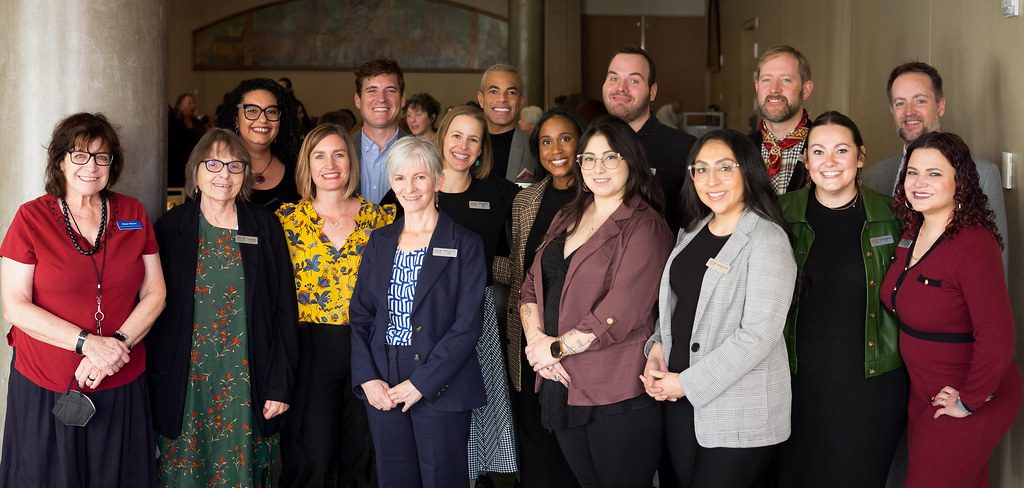
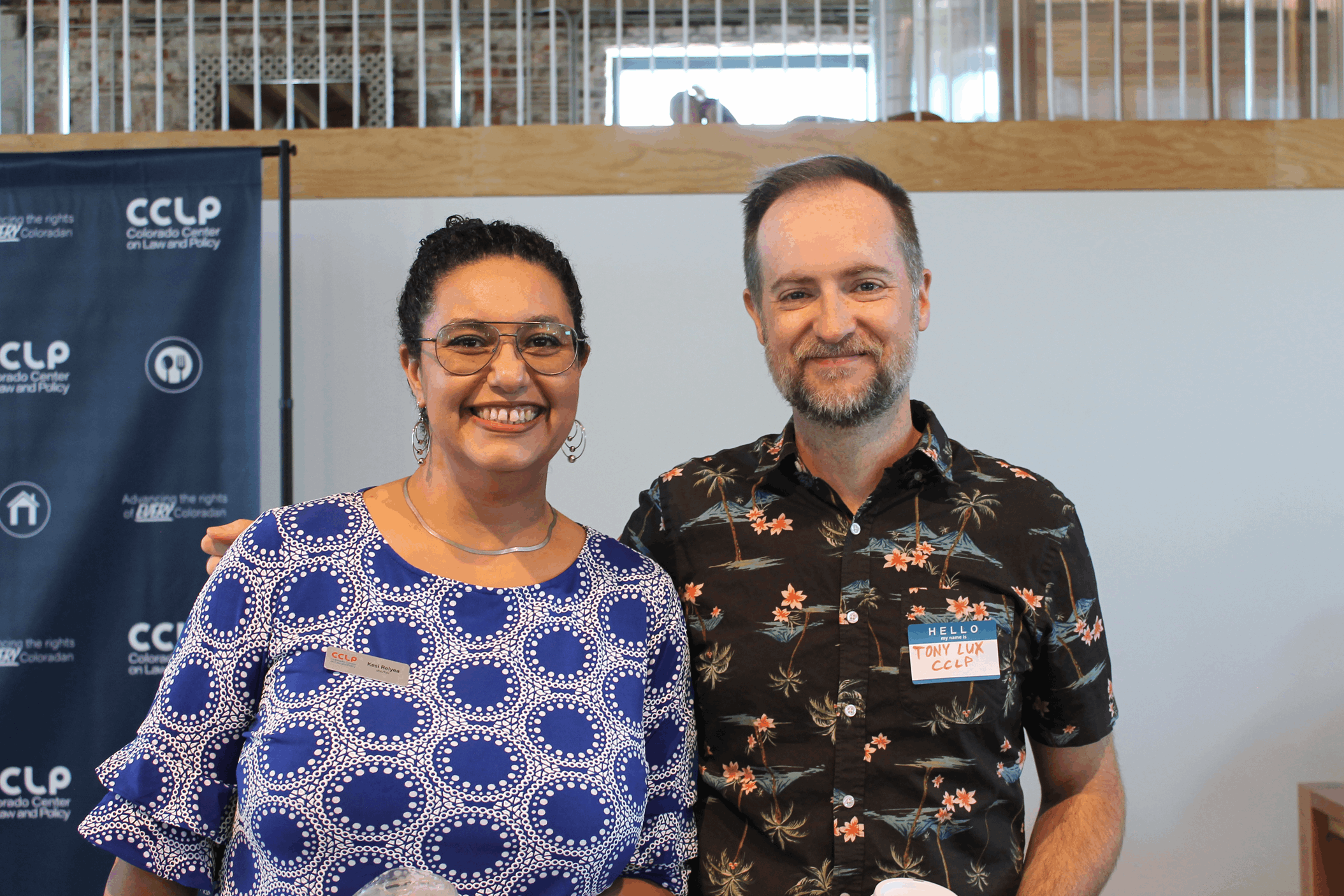
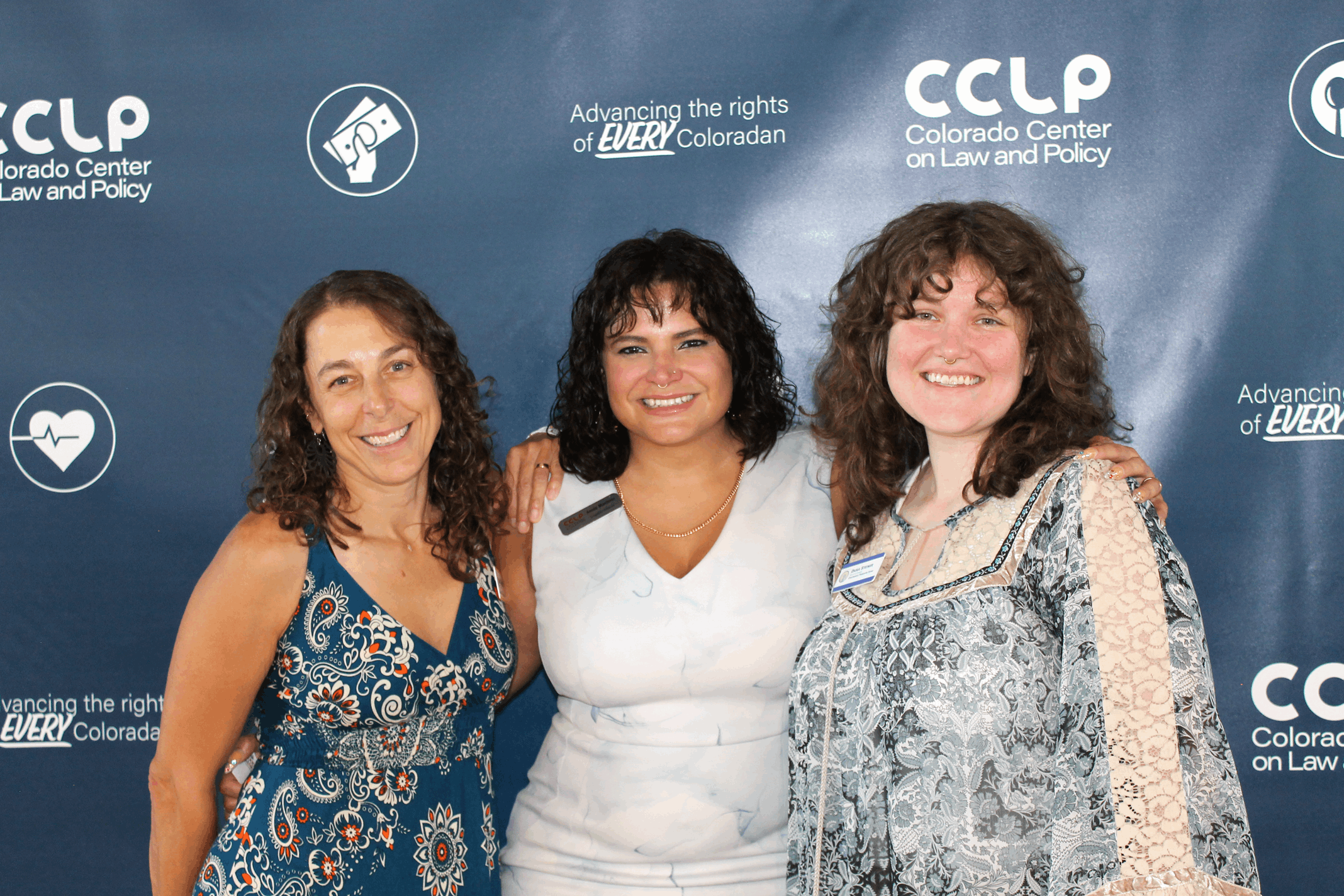
CCLP Celebrates Partners in Progress
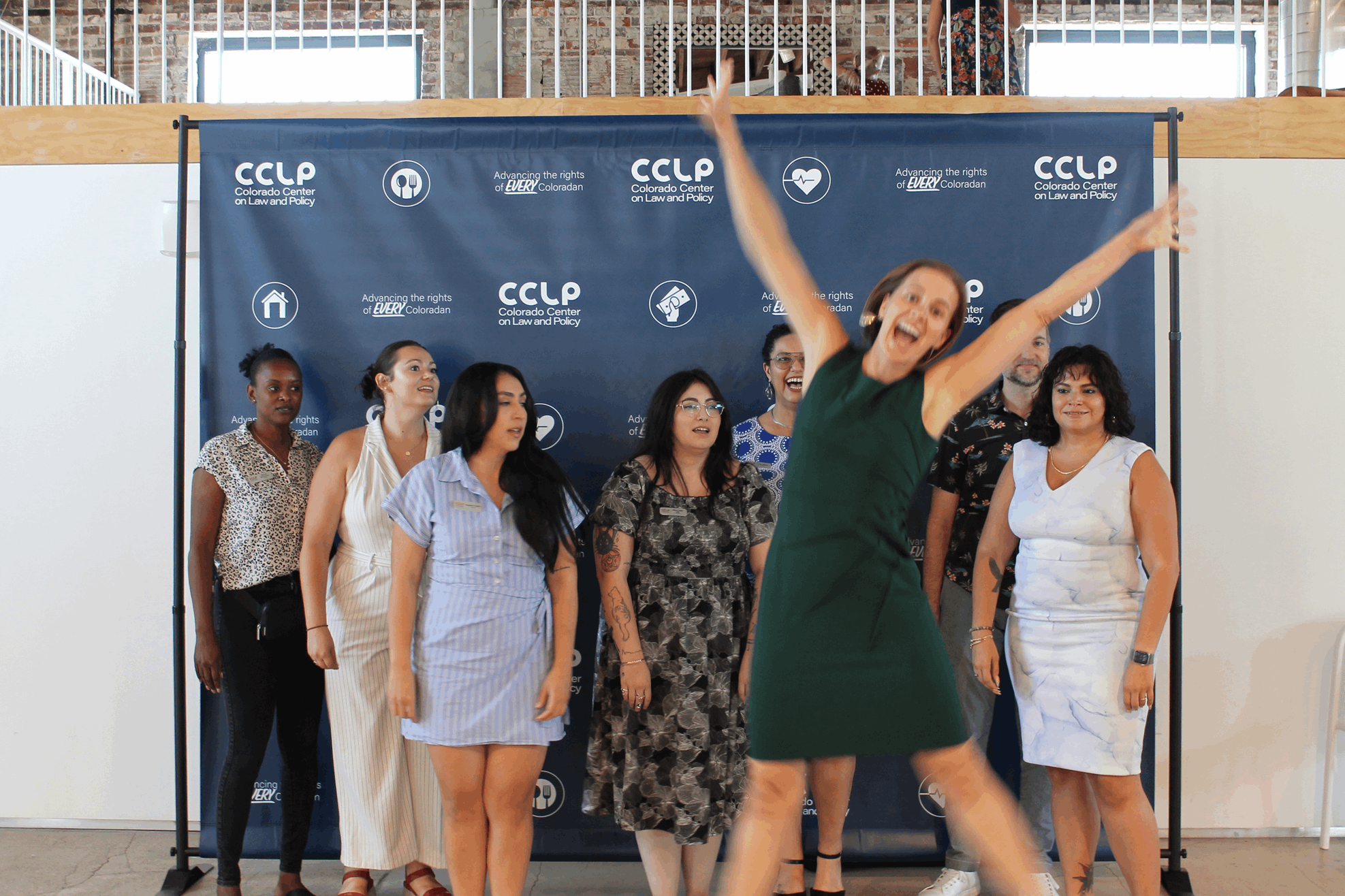
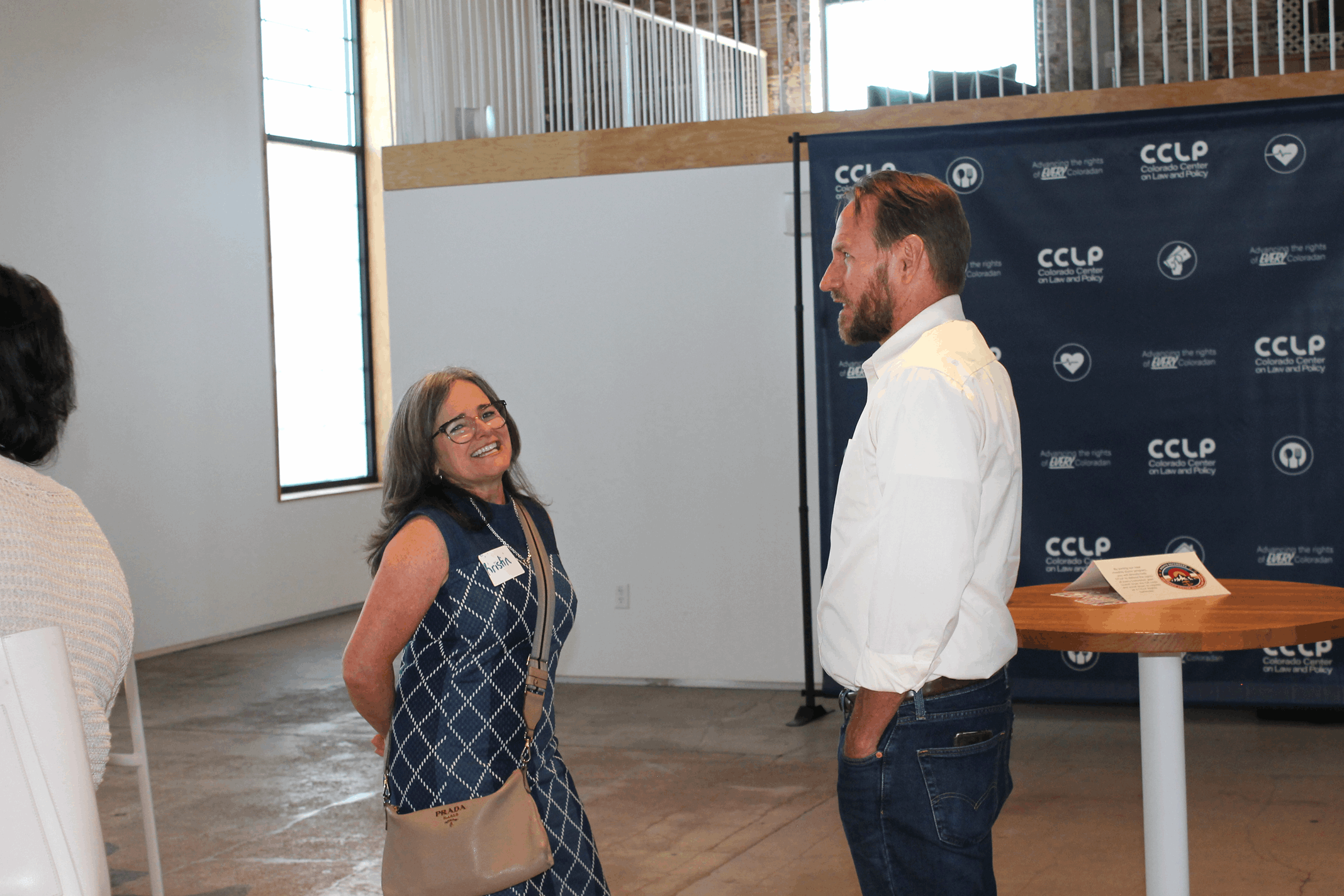
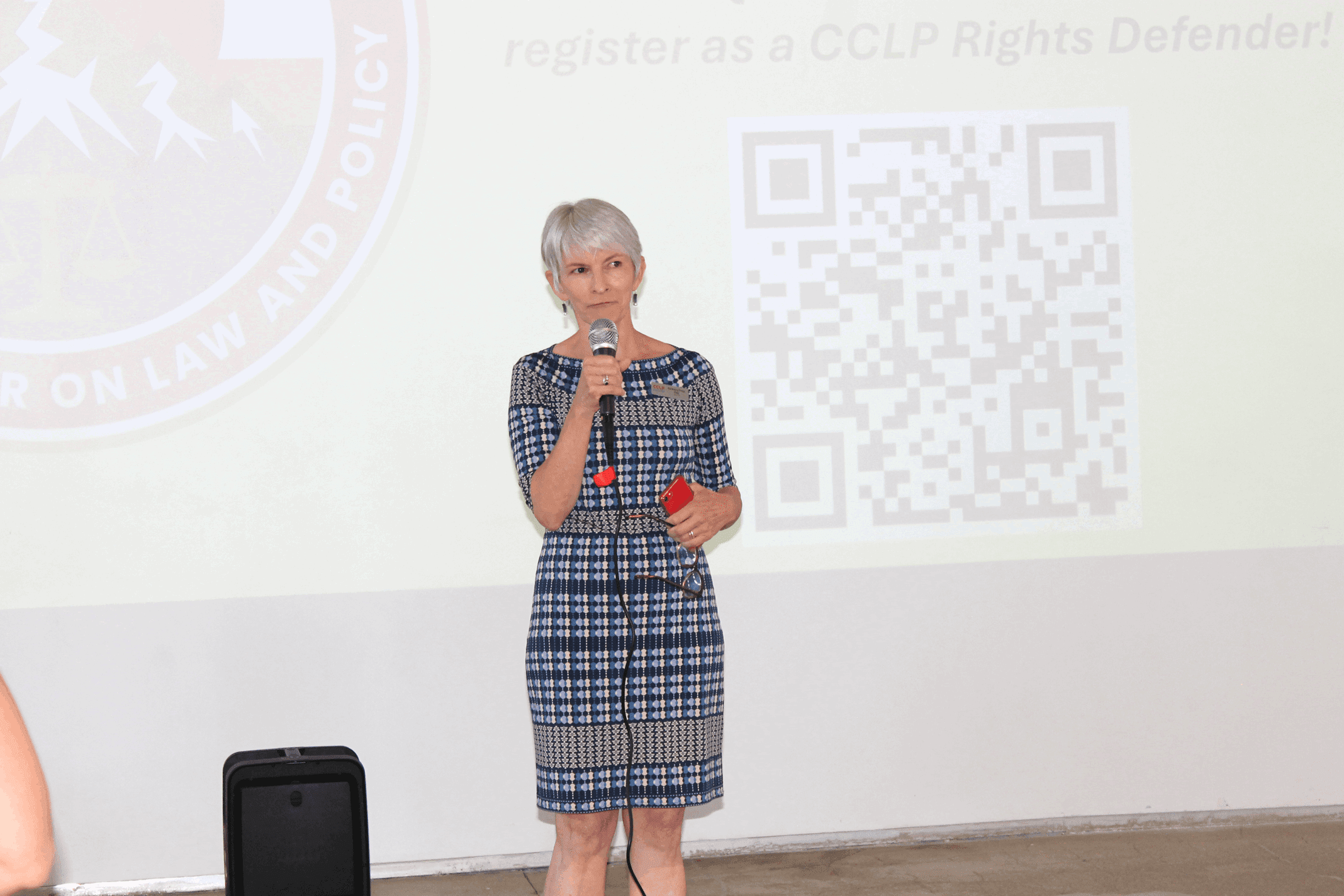
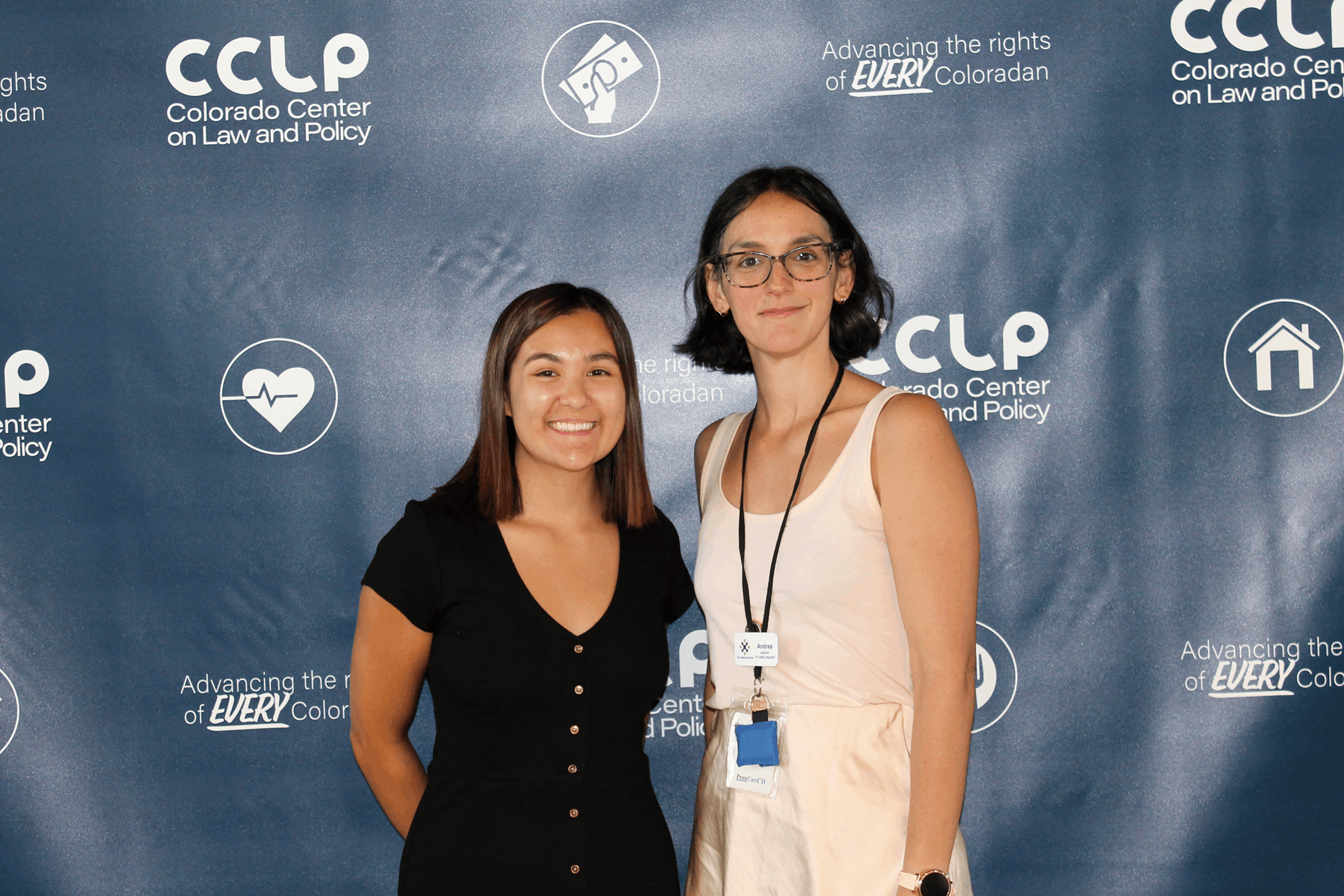
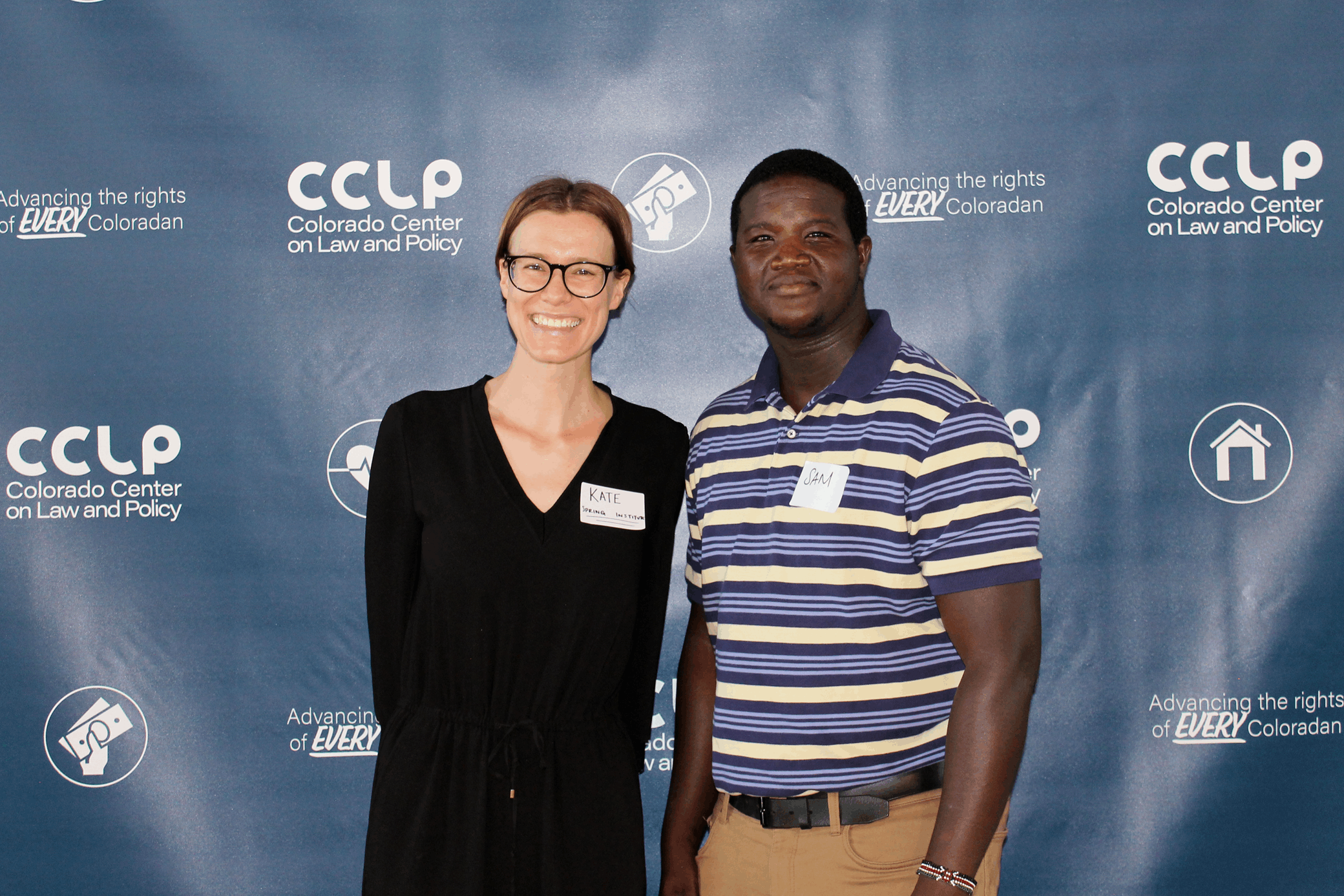
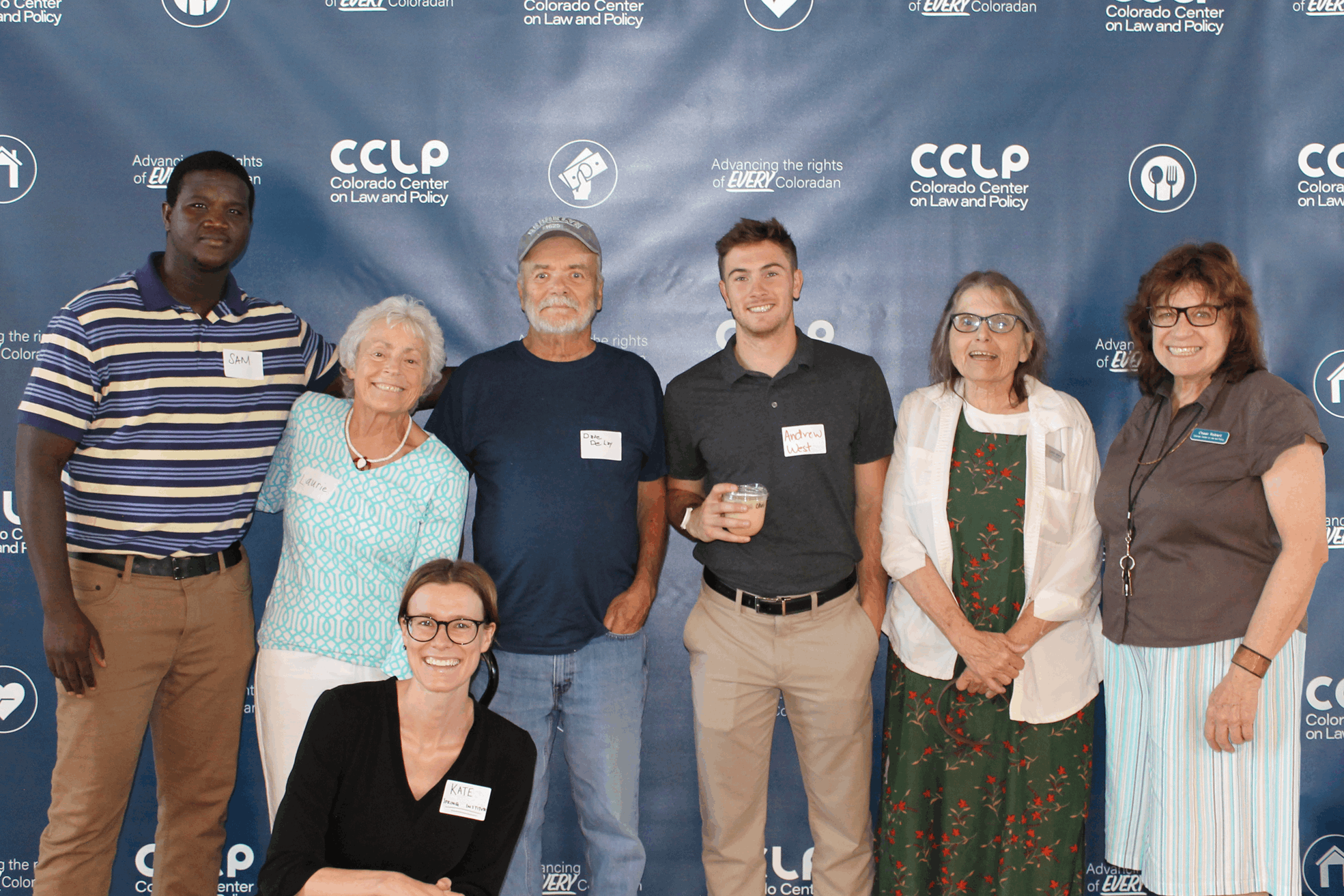
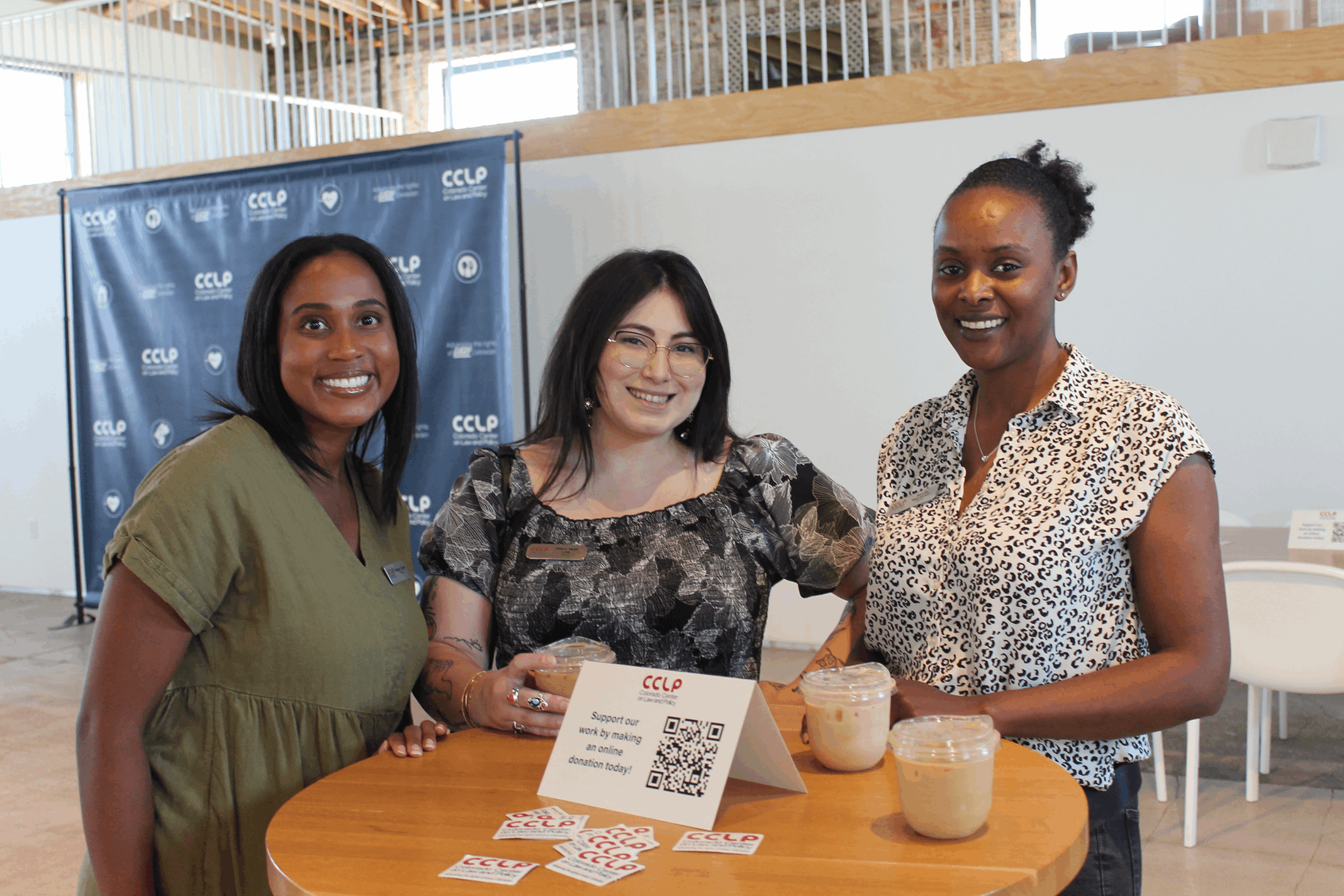
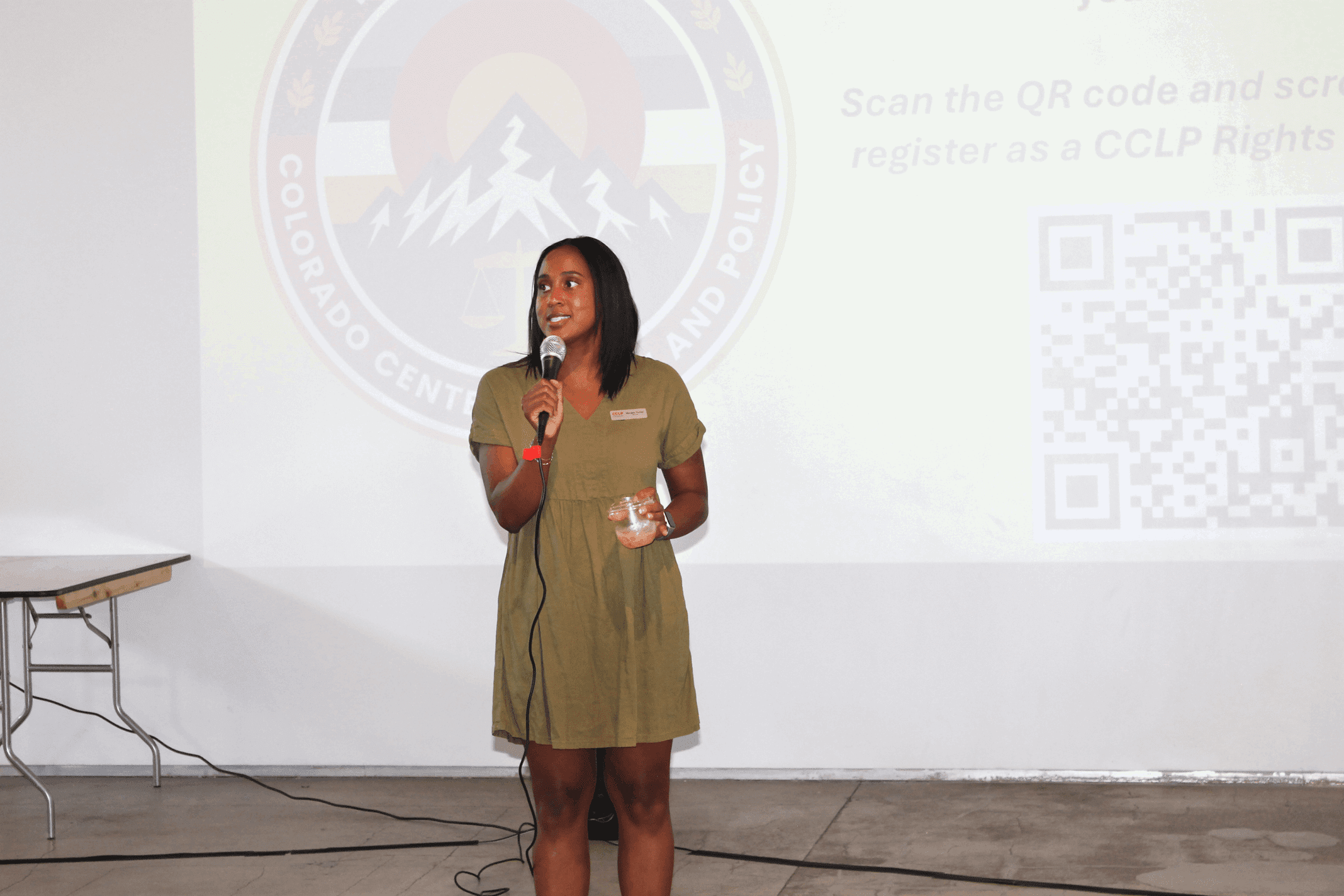
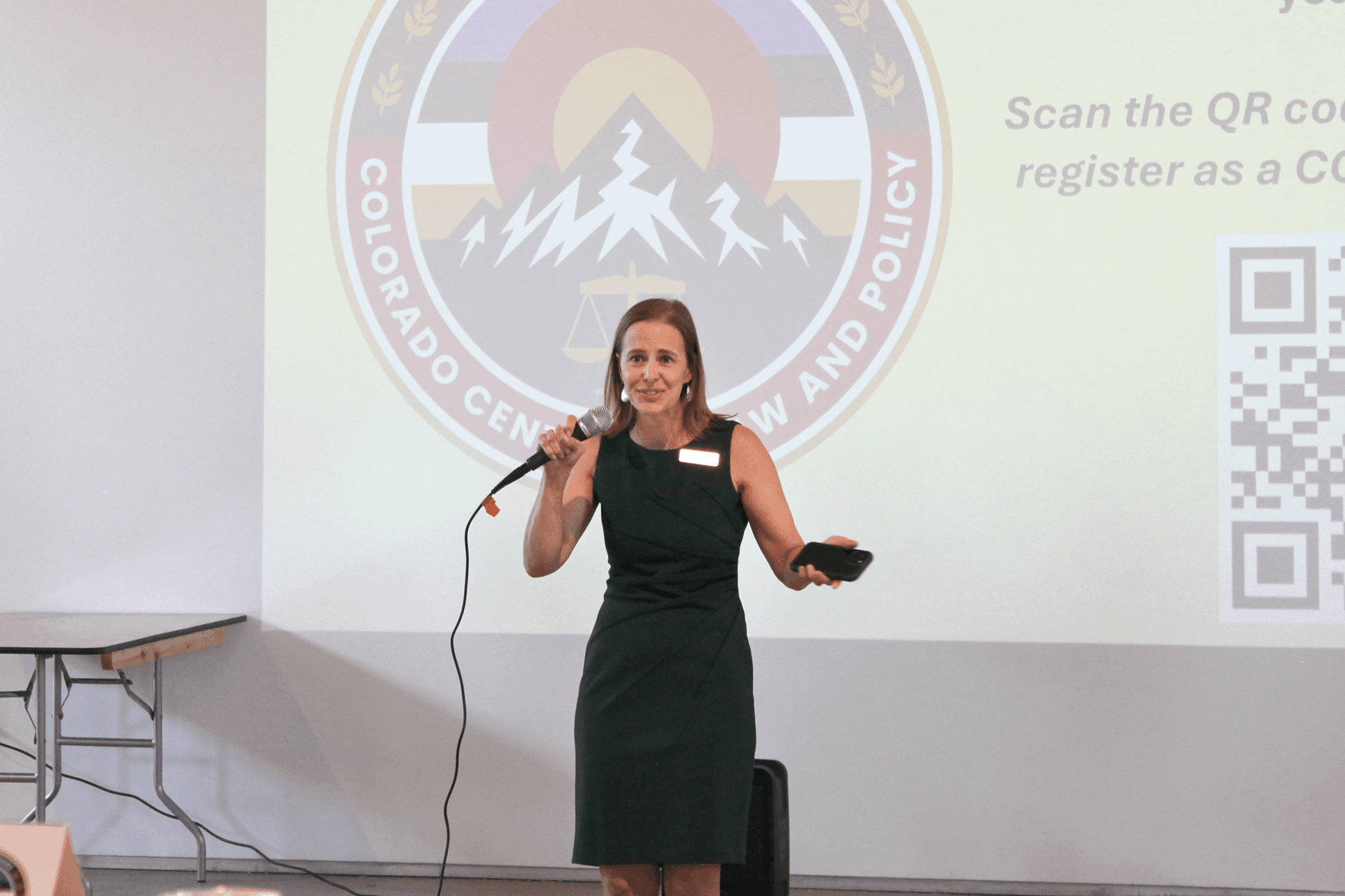
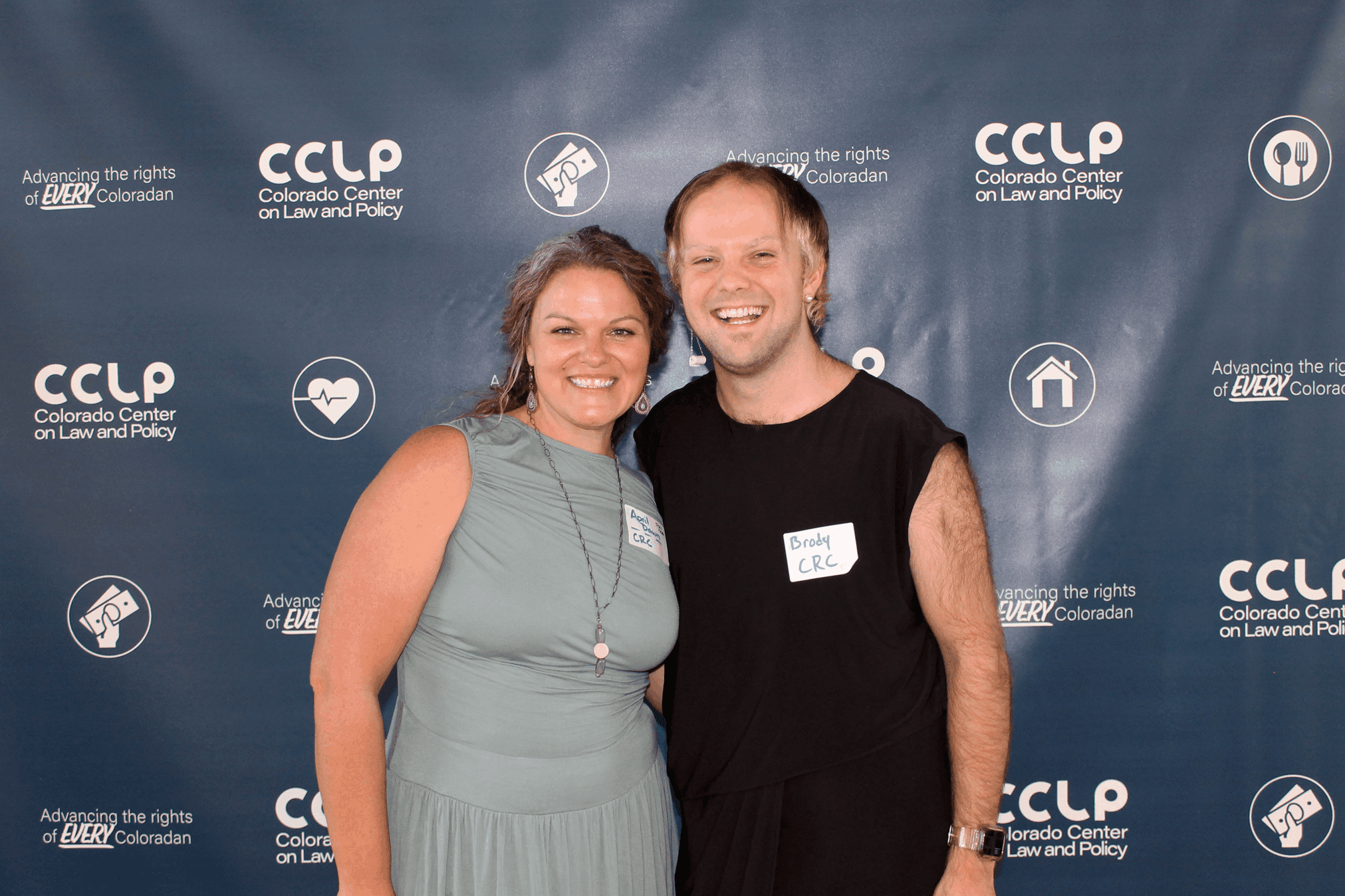
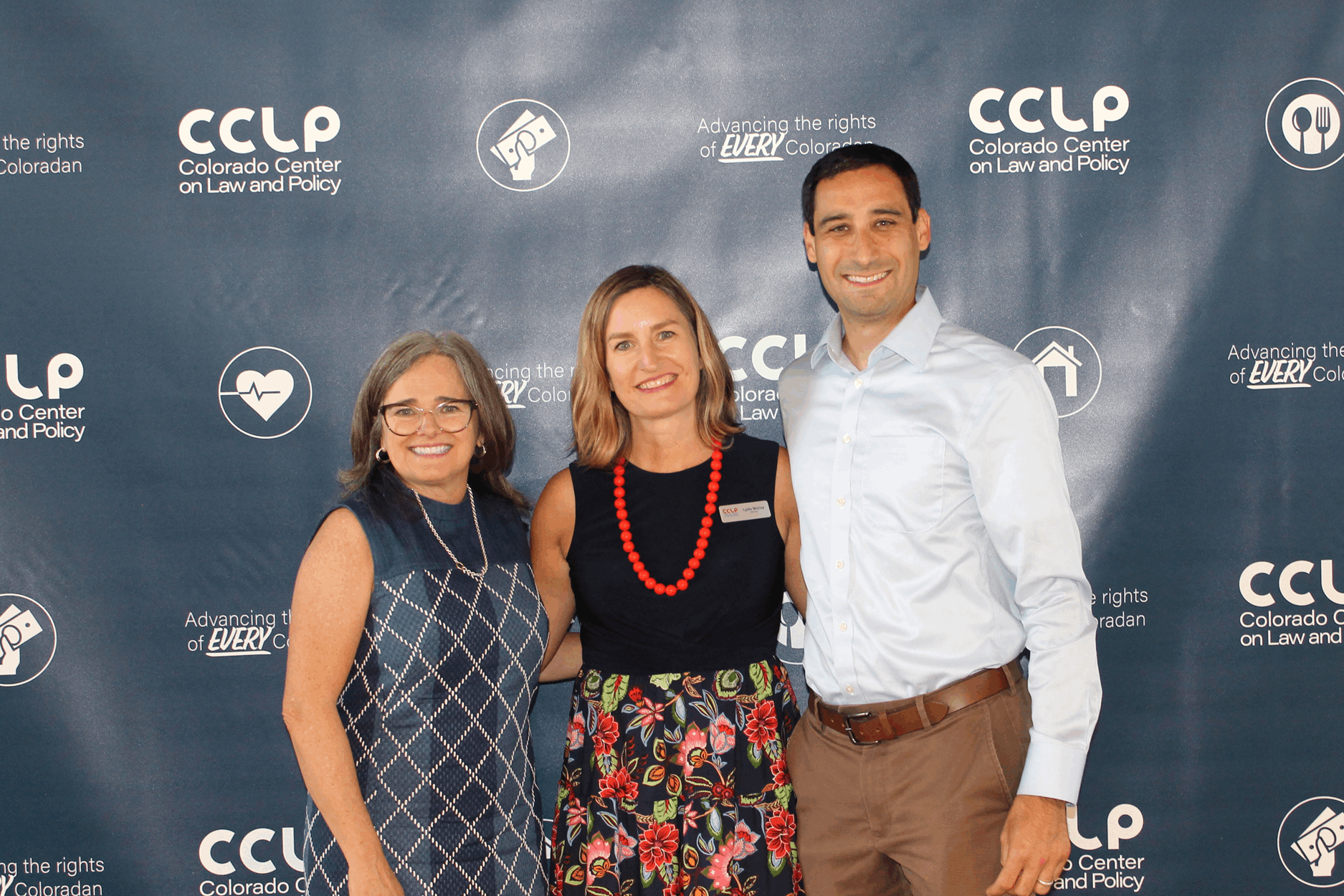
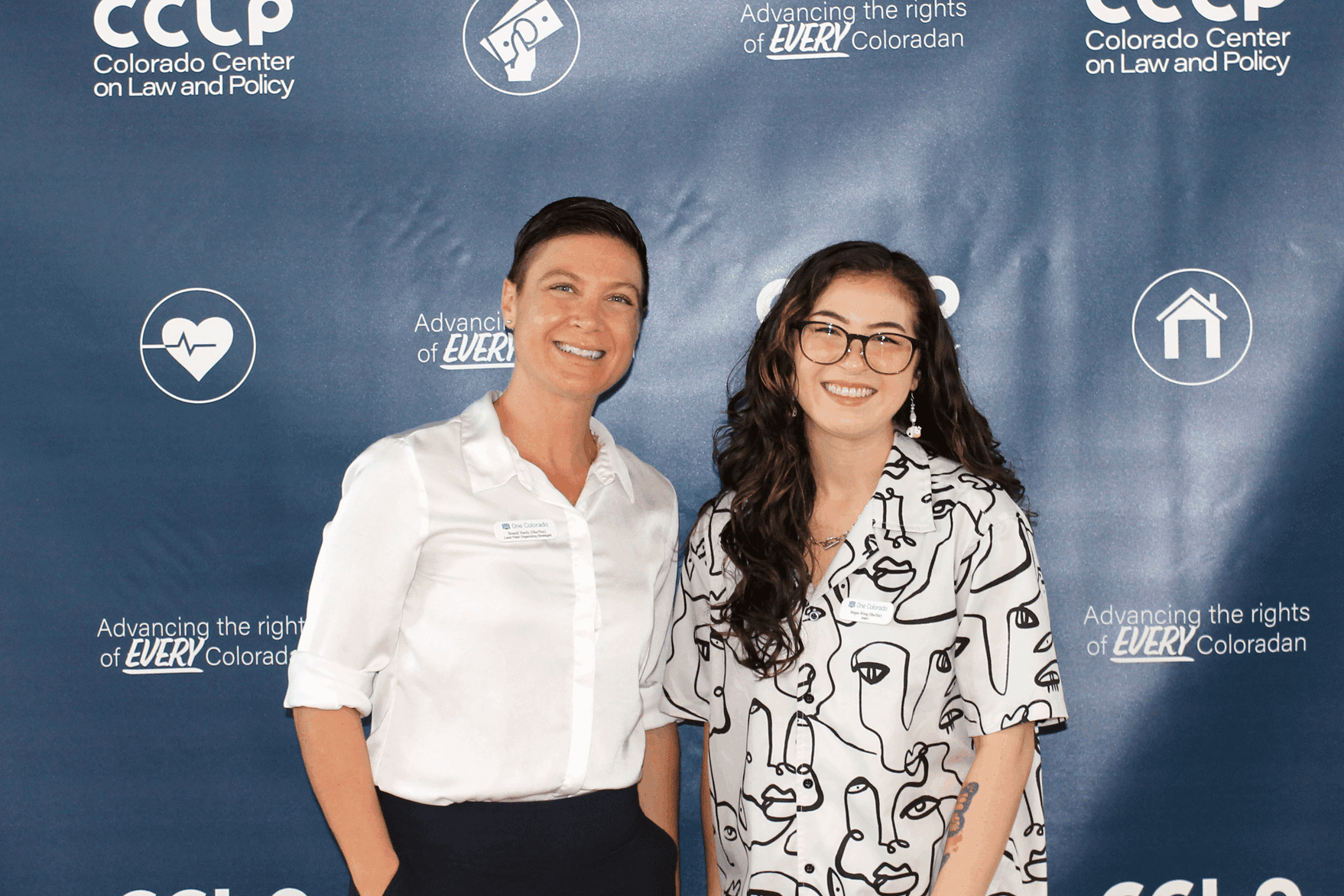
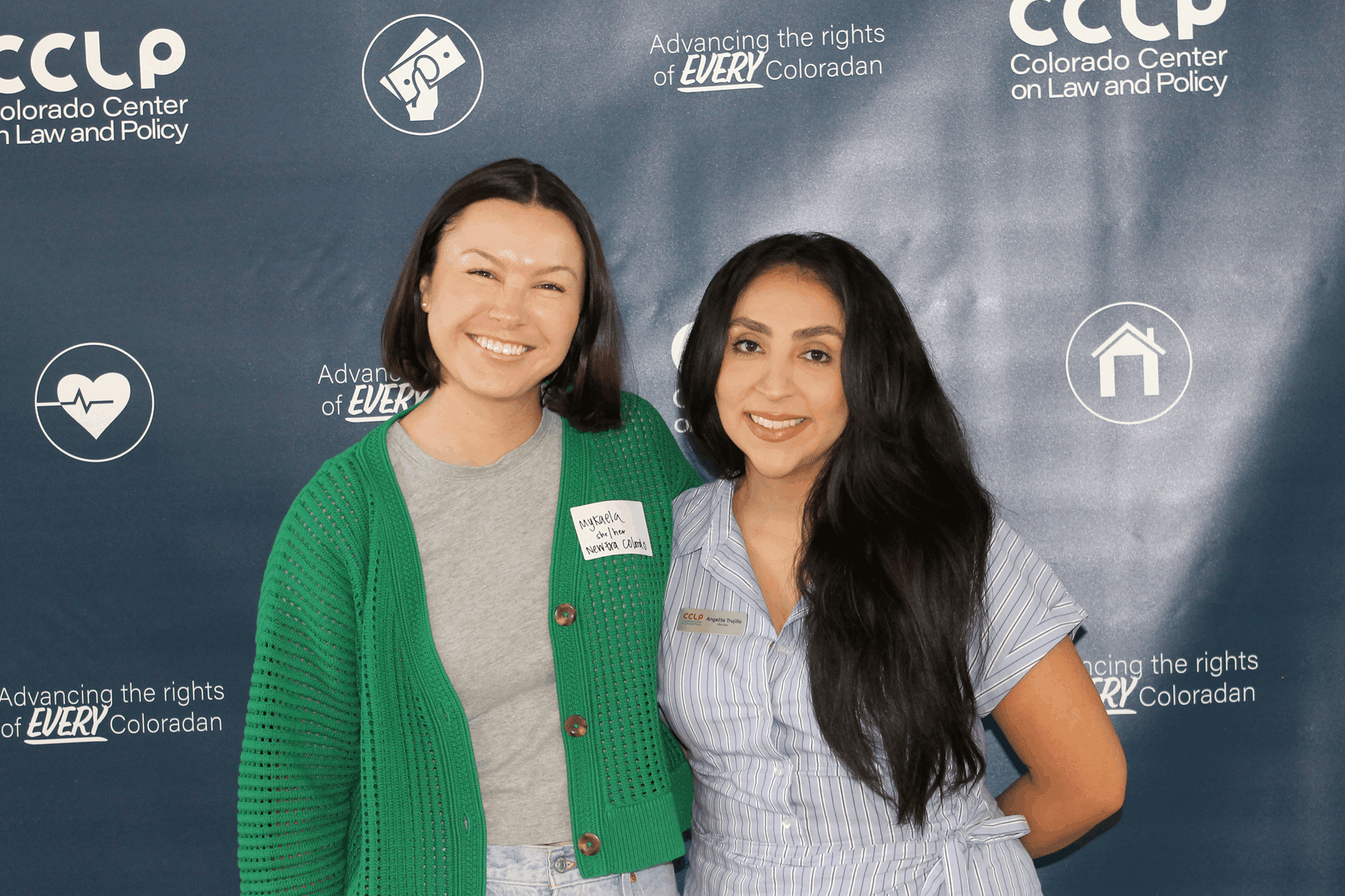
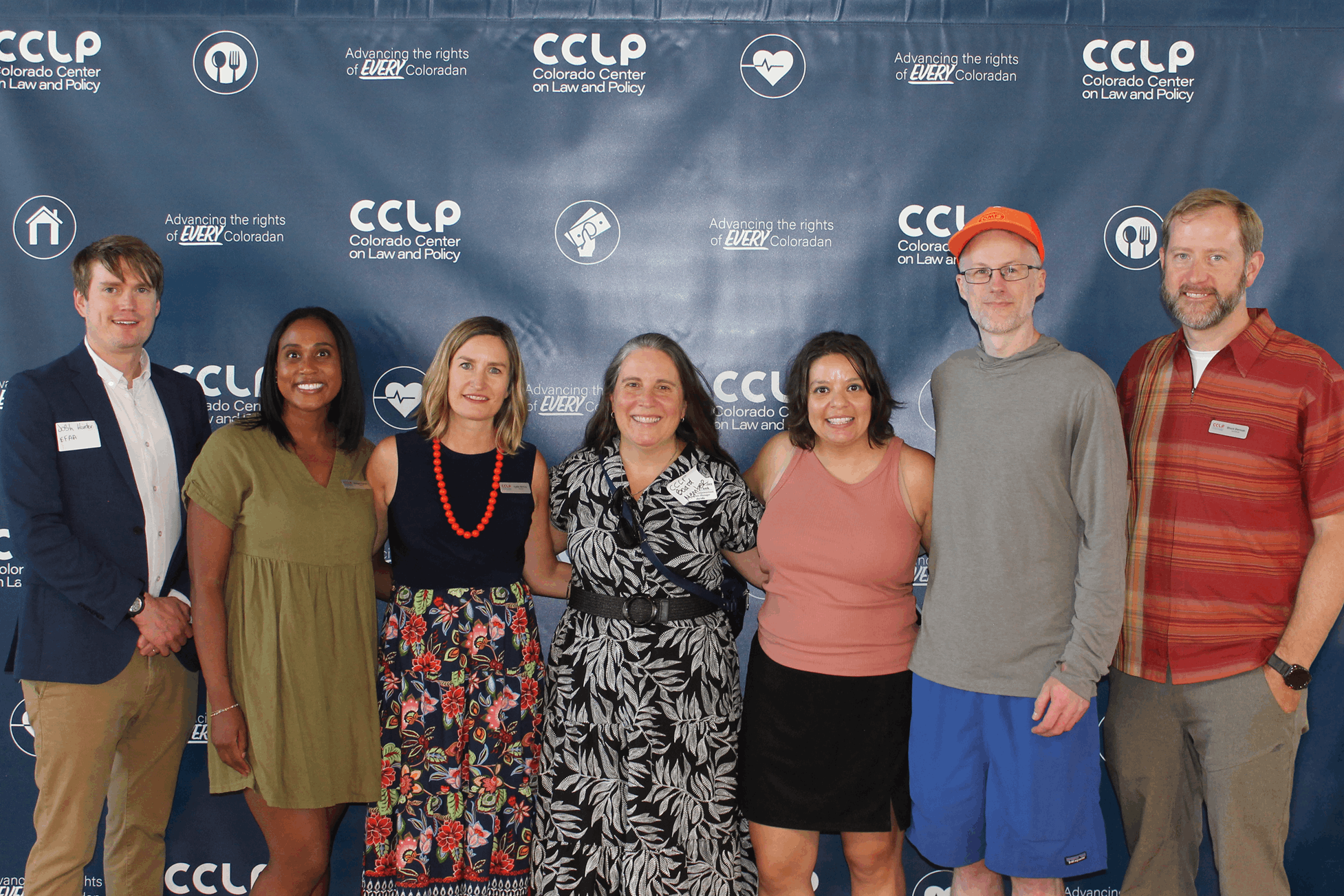
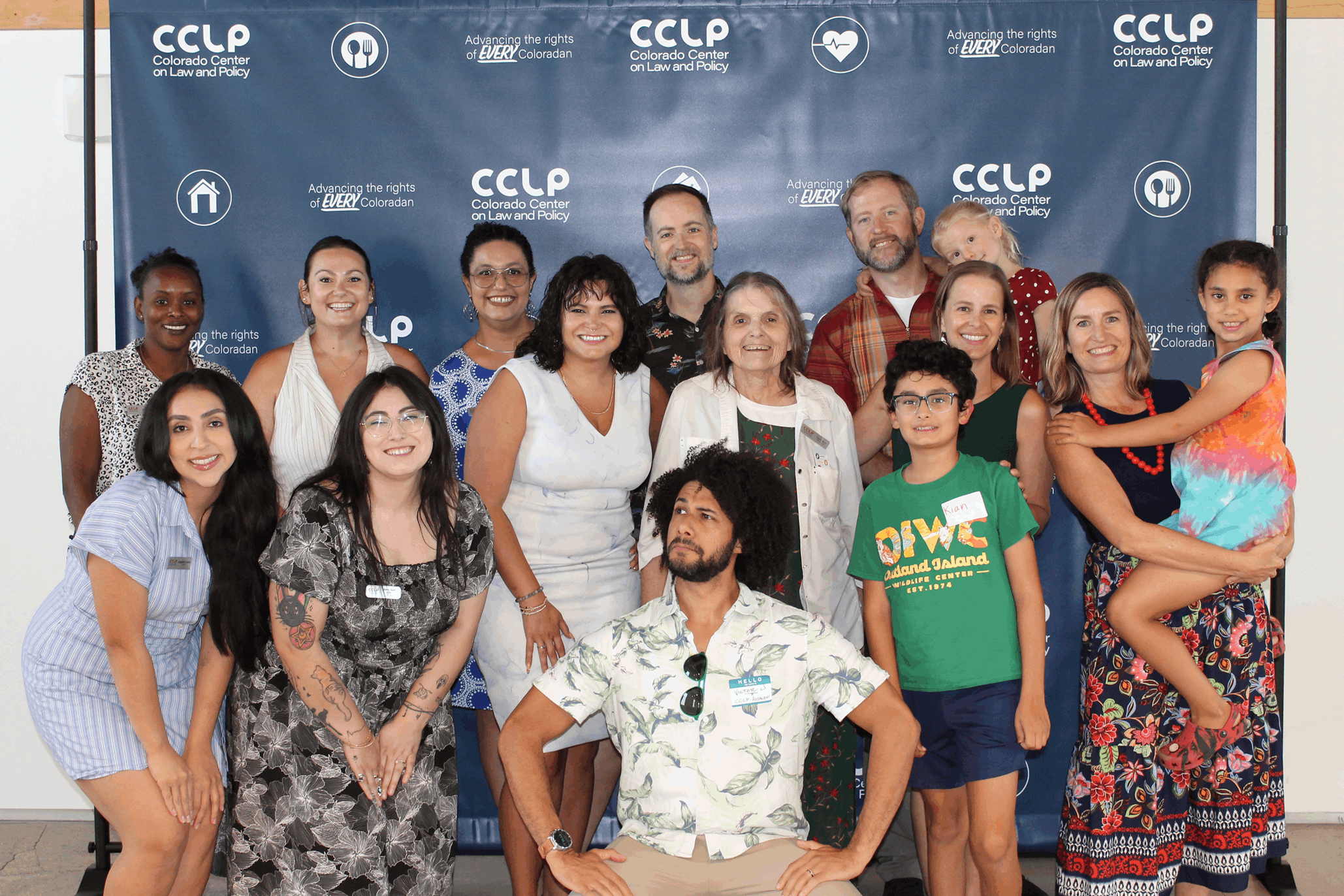
Late summer marked the launch of our new annual summer soiree: Partners in Progress. We invited fellow antipoverty advocates, community leaders, and partners of CCLP to build connections, reflect on shared accomplishments, and offer our deepest appreciation for those who work alongside us and make our work possible.
This event was a bright ray of sunshine amidst a challenging year for antipoverty advocacy, and we’re grateful that so many members of our community joined us for this event.















Colorado Center on Law and Policy
Statements of financial position 2023 & 2024
December 31 |
2024 |
2023 |
||
Assets |
||||
Current assets: |
||||
| Cash and cash equivalents | $ | 985,435 | $ | 777,053 |
| Investments – bonds and CD | 582,014 | 313,522 | ||
| Grants and contributions receivable, current portion | 619,500 | 577,670 | ||
| Prepaids | 19,522 | 5,116 | ||
| Total current assets | 2,206,471 | 1,673,361 | ||
Long-term assets: |
||||
| Deposit | 7,850 | 7,850 | ||
| Grants and contributions receivable, net of current portion and discounts | 362,618 | 368,881 | ||
| Right of use assets – operating, net | 847,490 | 947,547 | ||
| Total other assets | 1,217,958 | 1,324,305 | ||
| Total assets | $ | 3,424,429 | $ | 2,997,666 |
Liabilities and net assets |
||||
Current liabilities: |
||||
| Accounts payable | $ | 66,912 | $ | 102,808 |
| Accrued expenses | 10,260 | 3,289 | ||
| Current portion of lease liability – operating | 149,477 | 160,241 | ||
| Total current liabilities | 266,649 | 266,338 | ||
Long-term liabilities: |
||||
| Lease liability – operating, net of current portion | 698,013 | 787,333 | ||
| Total long-term liabilities | 698,013 | 787,333 | ||
| Total liabilities | 924,662 | 1,053,671 | ||
Net assets: |
||||
| Without donor restriction | 1,358,267 | 930,757 | ||
| With donor restriction | 1,141,500 | 1,013,238 | ||
| Total net assets | 2,499,767 | 1,943,995 | ||
| Total liabilities and net assets | $ | 3,424,429 | $ | 2,997,666 |
Financial positions 2023, 2024
Statements of financial activity, 2023 & 2024
For the year ended December 31, 2024 with summarized comparative totals for 2023 (restated)
Without
|
With donor restrictions |
2024
|
2023
|
|||||
Revenue and support: |
||||||||
| Grants and contributions | $ | (162,100) | $ | 3,150,484 | $ | 2,988,384 | $ | 1,958,330 |
| Fiscal sponsorship income | – | – | – | 66,134 | ||||
| Special event income | 8,026 | – | 8,026 | 9,715 | ||||
| Lease income | 9,700 | – | 9,700 | 4,000 | ||||
| In-kind contributions | 3,000 | – | 3,000 | 560 | ||||
| Other income | 6,064 | – | 6,064 | 30 | ||||
| Released from restrictions | 3,022,222 | (3,022,222) | – | – | ||||
| Total revenue and support | 2,886,912 | 128,262 | 3,015,174 | 2,038,769 | ||||
Functional expenses: |
||||||||
| Program services | 2,206,407 | – | 2,206,407 | 2,699,369 | ||||
| Management and general | 141,276 | – | 141,276 | 123,002 | ||||
| Fundraising | 128,301 | – | 128,301 | 94,226 | ||||
| Total functional expenses | 2,475,984 | – | 2,475,984 | 2,916,597 | ||||
| Change in net assets from operating activities | 410,928 | 128,262 | 539,190 | (877,828) | ||||
Non-operating income (expense): |
||||||||
| Dividends and Interests | 16,642 | – | 16,642 | 15,603 | ||||
| Interest expense | – | – | – | (1,975) | ||||
| Miscellaneous expense | (60) | – | (60) | (2,020) | ||||
| Change in net assets from non-operating activities | 16,582 | – | 16,582 | 11,608 | ||||
| Change in net assets | 427,510 | 128,262 | 555,772 | (866,220) | ||||
| Net assets at beginning of year as previously reported | 930,757 | 1,013,238 | 1,943,995 | 2,720,107 | ||||
| Prior period adjustment* | – | – | – | 90,108 | ||||
| Net assets at beginning of year as restated | 930,757 | 1,023,238 | 1,943,995 | 2,810,215 | ||||
| Net assets at end of year | $ | 1,358,267 | $ | 1,141,500 | $ | 2,499,767 | $ | 1,943,995 |
*Note: The 2023 audited financial statements have been adjusted to reflect $90,108 more in contribution receivables and revenues related to a reimbursement grant. The expenses were recognized for this same amount in the prior year; thus, contribution receivables and revenues have been adjusted to match the expense recognition. This adjustment caused the prior year net assets to increase by $90,108.
Philanthropic Partners 2023 & 2024
Foundations, partners and funds
Aloha Foundation
Annie E. Casey Foundation
BAIRD
Beanstalk Foundation
Bridge Legal Solutions, LLC.
Buell Foundation
Caring for Colorado
Center for Health Progress
Clean Slate Initiative
Colorado Access
Colorado Children’s Campaign
Colorado Coalition for the Homeless
Colorado Community Health Network
Colorado Consumer Health Initiative
Colorado Department of Health Care Policy and Financing
Colorado Lawyer Trust Account Foundation
Colorado Organization for Latina Opportunity and Reproductive Rights
Community Catalyst, Inc
Community Foundation of Boulder County
Denver Office of Economic Development & Opportunity
Diverse Talent
Ensign-Bickford Foundation
FORTH Mobility
Hopewell Fund
Interfaith Alliance of Colorado
Chambers Initiative
Michaels Energy
National Health Law Program
National Skills Coalition
Paul M. Angell Family Foundation
PB and K Family Foundation
Rose Community Foundation
The Colorado Health Foundation
The Colorado Trust
The Denver Foundation
The Humphreys Foundation
The Jay and Rose Phillips Family Foundation of Colorado
Wheeler Trigg O’Donnell Foundation
CCLP Board of Directors
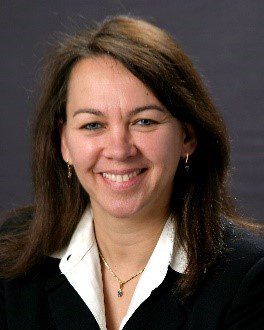
Chair
Beatriz Bonnet
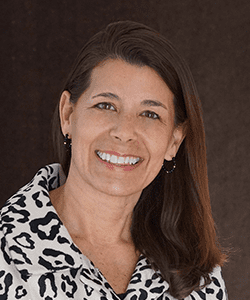
Vice Chair & Secretary
Lynn Borup
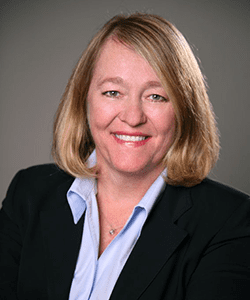
Treasurer
Carole Brite, CPA
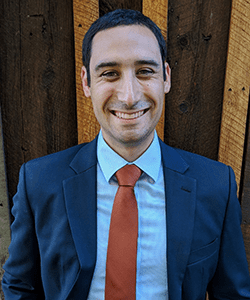
Member
Mathew Baca
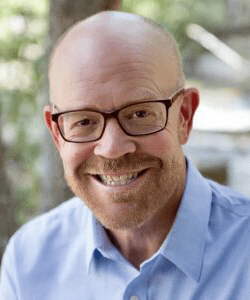
Member
Thomas Davidson
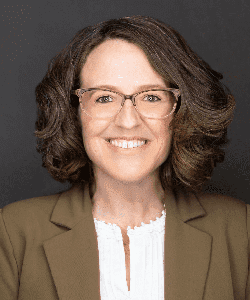
Member
Daneya Esgar

Member
Ariana Flores
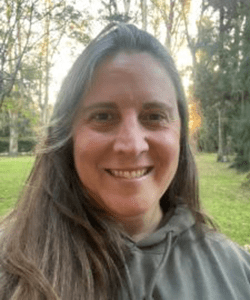
Member
Ana Fernandez Frank

Member
Tom Brinegar
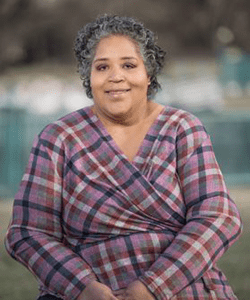
Member
Miriam Goetzke

Member
Nicholas Heimann

Member
John T. Lee

Member
Jose L. Vasquez, Esq.
Individual donors, 2023 & 2024
CCLP would not be able to do the work we do without the generous support of our individual philanthropists.
- Taishya Adams
Phyllis Albritton
Kristin Alexander
Sandra Anderson
Bridget Anshus
Deb Armbruster
Katy Arnold
Jonathan Asher
Jocelyn Ault – In Honor of Don Burnes
Matthew Baca
Erika Barnum
Morgan Baskall
Elizabeth Baskett
Keri Batchelder
Jordan Bates-Rogers
Frederick Baumann
David Becher
Caryn Becker
Robert Benson
Ronald Binz
Pam Bisceglia
Christy Blakely
Beatriz Bonnet
Lynn Borup
Charles Brennan
Pam Brier
Steve Briggs
Tom Brinegar
Carole Brite
Kristin Bronson
Debra Brown
Laura Buhs
Donald & Lynn Burnes
David Bye
Bruce A. Campbell
Christiane Citron
Bonnie Lang Clarke
Sandra Collins
Brittany Cornell
Isabel Cruz
Dorothy Davidson
Peter Dawson
Paul Day-Lucore
Mark Deschamp
Monica DeWitt
Tom Dickson
Heidi Eastman
Margaret Elmer
Charles Elmer
Robert H Farley Jr.
Maureen Farrell-Stevenson
Austin Fearn
Adela Flores-Brennan
Lauren Folkerts
William Ford
Adam Fox
Andrew Franklin
Lorena Garcia
Walter Garnsey
Michael Gegen
Caleb Goerke
Miriam Goetzke
Norman D. Haglund
Jessica Hansen
Laurie A Harvey
Paul Heberling
Nicholas Heimann
Sigrid H Higdon
Arlene Hoffman
Vanessa Hofmann
Martha J Karnopp
Keith Kegley
Nora Kelly
Ross Kelman
Helene Kent
Charlie Kestler
Jennifer Kladstrup
April-Dawn Knudsen
Esso Leete
Claire Levy
Kimberly Kim Lord
Juanita Luevano
Margaretha Maloney
Susan Marine
Lydia McCoy
Alex McCready
Alex McHenry
Pamela McKenzie
Chris Miller
Joel Minor
Phia Mitnick
Meagan Moodie
Liane Morrison
Norman Mueller
Burt Nadler
Paul Neumann
Caroline Nutter
Sharon O’Hara
Debby Osborne
Katie Pachen-Jacobson
Chester F Pauls
Jeffrey Pearson
Julie Pecaut
David William Pilkenton
Linda Plaut
Elaine Podell
Diana Poole
Fredrick Powers
Bethany Pray
Christine Quinlan
Nicole Rajpal
Jack Regenbogen
Julie Reiskin
John M RIley
Chardele Chaer Robert
Benjamin Rodgers
Anya Rose
Lawrence Rossini
Eric Rothaus
David Ruchman
Nedra San Filippo
Jill Schneider
Paula Schriefer
Trisha Sellers
Peter Severson
Elizabeth Liz Seyfarth Black
James Shaw
Shari Shink
Jon Sirkis
David Skaggs
Anne Slichter
Kathy Smith
Galia Spychalska
Helen R Stone
Ray Stranske
Rebecca Taylor
T.A. Taylor-Hunt
Priya Telang
Mary Ann Thompson
Jose Torres-Vega
Jean Townsend
Heather Tritten
Lara Van Matre
Jose L. Vasquez, Esq.
Rosa Marie Vergil Garcia
Ed Victor
Gabriella Visani
Larry Volmert
Lisa Ward
Maureen Welch
Andrew West
Alexis Whitman
Aubrey Wilde
Barbara Yondorf