CCLP volunteer Elzer McReynolds argues why tax flight is a harmful idea to states trying to enact higher taxes on the top 1% of earners.
Charles Brennan serves as CCLP's Income and Housing Policy Director, using data and research to support our efforts to advance the rights of every Coloradan. Staff page ›
Recent articles
CCLP reflections from Litigation and Advocacy Leaders Conference
Annie Martínez reflects on the Litigation and Advocacy Leaders Conference they attended with support from our CCLP Rights Defenders donors.
Economic policy and young adulthood in Colorado: A new report series from CCLP
CCLP’s newest report series focuses on economic policy and young adulthood in Colorado and the ways in which public benefits do and do not support their needs.
CCLP comments on Xcel Energy’s proposed rate increase
Milena Tayah provided comments to the Public Utilities Commission regarding Xcel Energy’s proposed rate increase on Colorado consumers’ energy bills.
CCLP testifies in support of updating protections for mobile home park residents
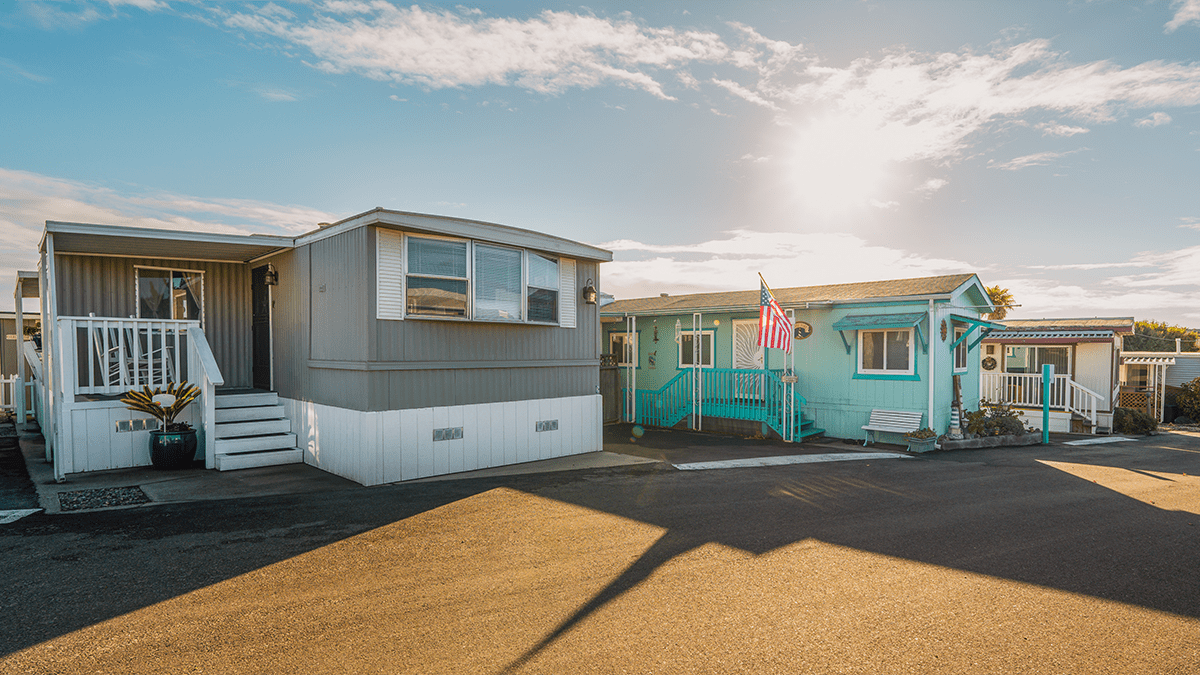
On Tuesday, March 19, 2024, Charles Brennan, CCLP’s Income and Housing Policy Director, provided testimony to the House Transportation, Housing & Local Government Committee in support of House Bill 24-1294, Mobile Homes in Mobile Home Parks. CCLP is in support of HB24-1294.
Madam Chair and members of the committee,
My name is Charles Brennan and I serve as the Director of Income and Housing Policy for the Colorado Center on Law and Policy, a non-profit organization dedicated to the vision that every Coloradan should have what they need to succeed. I am here today to speak in support of HB24-1294, which strengthens legal protections for residents of mobile home parks. Despite recent updates, we still see mobile home park residents facing significant challenges in maintaining their rights and housing security. And this bill represents a crucial step forward in addressing these.
A key provision of HB24-1294 addresses language access, an area where the Mobile Home Park Act lacks consistency. Some notices must be in English and Spanish, while others are not. This lack of uniformity presents challenges to residents, but also park owners who must remember which notices they are required to provide and in what languages.
Why does this matter? Using data from the 2022 American Community Survey, we estimate approximately 7% of households living in mobile home parks were “linguistically isolated,” compared to 2.4% of households statewide. Additionally, 18.1% of adults living in mobile home parks spoke English less than very well, again compared to just 5.9% of adults in Colorado.[1] This concentration of limited English proficient persons underscores the critical need for language access services in mobile home parks. Not only is there a higher share of individuals likely to need these services living in mobile home parks, the need by limited English proficient tenants is likely to be ongoing and continuous for the duration of the tenancy—not a one-off need.
It is also relevant to consider the importance of the document or service being provided in another language—as not all communications between a landlord and a mobile home park resident are equally important. As such, only notices required by the Mobile Home Park Act, the lease agreement, and the park rules are required to be provided in languages other than English. These are notices and documents where a misunderstanding can have dire consequences for residents, including eviction or health risks.
While implementing these requirements will create additional costs for park owners, we feel these costs are reasonable, for reasons already stated. We also feel that costs must be considered in combination with the benefits to landlords from improved communication and reduced potential for conflicts that might arise from a resident misunderstanding their rights and responsibilities. By investing in language access, we can prevent costly disputes and foster more inclusive mobile home park communities across Colorado. Advancements in technology make translation and interpretation services more accessible and cost-effective than ever before. Online options offer landlords with a range of choices to support the needs of their residents.
In conclusion, HB24-1294 represents a critical opportunity to improve the lives of Coloradans living in mobile home parks. Language access is just one way the bill will do this, and we’re excited about the other changes the bill would bring to the Mobile Home Park Act. We urge you to vote in support of the bill and happy to answer any questions you may have. Thank you!
Sincerely,
Charles Brennan
Income and Housing Policy Director
Colorado Center on Law and Policy
Update 5/6/2024: HB24-1294 passed the House and Senate and is onto signatures!
**********
[1] https://www2.census.gov/programs-surveys/acs/methodology/design_and_methodology/2022/acs_design_methodology_report_2022.pdf
Recent articles
Guest Column: Tax Flight, The Harmful Persistence of an Unfounded Idea
CCLP volunteer Elzer McReynolds argues why tax flight is a harmful idea to states trying to enact higher taxes on the top 1% of earners.
CCLP reflections from Litigation and Advocacy Leaders Conference
Annie Martínez reflects on the Litigation and Advocacy Leaders Conference they attended with support from our CCLP Rights Defenders donors.
Economic policy and young adulthood in Colorado: A new report series from CCLP
CCLP’s newest report series focuses on economic policy and young adulthood in Colorado and the ways in which public benefits do and do not support their needs.
CCLP comments on Xcel Energy’s proposed rate increase
Milena Tayah provided comments to the Public Utilities Commission regarding Xcel Energy’s proposed rate increase on Colorado consumers’ energy bills.