Emboldened Towards Progress
CCLP Annual Report 2025-2026Letter from Lydia McCoy, CEO
When they dismantle, we unite, strategize, and build again
 As we head toward the midterms under a presidential administration that has done so much to harm the people CCLP works to support, we continue to see resources constrained, rights curtailed, and wins of the past wiped out with the stroke of a pen.
But we’ve seen something else, too. We’ve seen the movement to fight for struggling Coloradans coalesce. We’ve seen bridges built amidst wreckage, new relationships forged, and opportunities discovered.
As you may already know, last year’s budget reconciliation bill, H.R. 1, made some significant and deeply harmful changes to the ways in which states must administer public benefits. The “work requirements” component of these changes is a particularly cruel jab at those who are most vulnerable in our society. In addition to being proven many times over to be ineffective, it creates enormous problems for health care providers, health advocates, and state administrators who must now spend significant funds following new federal obligations that are designed to ensure fewer people access the care and help they need.
Given the complexity and dangers of the federal changes, we identified the need for collaboration across these very different stakeholders with expedience. We formed a “Colorado Work Requirements Working Group” shortly after the legislation was signed last year, and since then, this group has grown to include over 100 participating individuals and organizations. This collection includes patients, families, advocates, health professionals, hospital administrators, clinical staff, government agencies, and countless others who have unique perspectives on how these “work requirements” may play out for both the people who need care and the people who provide that care to them.
This kind of work isn’t easy. De-siloing involves looking at problems in new ways, seeing partners from new perspectives, and taking time to listen to all voices. It demands knowing when to step back when others are better equipped to take the lead.
This past year we have seen some big steps back. Several of our closest partner organizations have had to close in the last year. Others have had to pause work or unwind commitments they could no longer deliver on given the political and economic climate. When possible, and where it makes sense, we’ve sought opportunities to carry on their work.
We’ve also seen some major CCLP wins of past years be undermined by the Trump administration and unfavorable courts. Decisions on the Prescription Drug Affordability Board and medical debt hurt, but we continue forward, using these setbacks as opportunities for creativity and new solutions.
One creative opportunity lies in the upcoming legislative session. We’ll be coming right out of the gate with our ROBIN Alerts proposal that aims to ensure that those who depend on electricity for their medical needs have the notifications necessary to stay safe during outages, an issue that increasingly plagues Coloradans. We also have plans to play leadership and support roles on various issues related to health access, housing stability, and protecting the rights of Coloradans in poverty.
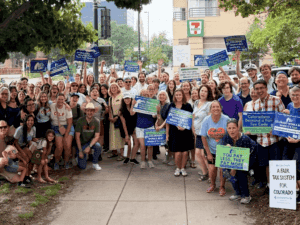 Informed by our experience at the state capitol, we are deeply committed to long-term systemic change in the fiscal landscape of our state. As you no doubt have heard by now, CCLP played a pivotal role in helping to bring the Income Tax Fairness Act to the November 2026 ballot. This project, in particular, has drawn on CCLP’s unique breadth of knowledge and skills, with contributions from all functions of the CCLP staff, including our policy and legal team, with emphasis on community engagement, communications, and development. This ballot measure, which proposes to raise taxes on those making more than $500,000 a year while lowering taxes on the other 97% of Coloradans, is the first real opportunity we have as a state to significantly address our perennial budget crisis, bringing much needed funding back to education, child care, and health care.
We’re continuing to make a significant investment in litigation as a tool of our trade and we have a unique opportunity, given our staff expertise and capacity, to use the courts to fight for the rights of every Coloradan. We have secured our first provisionally certified class in CCLP’s history and continue to work toward full certification, defending the rights of people living in mobile home parks. With unique expertise in the public benefits space, our legal team is gearing up to ensure any new policies enacted to implement the requirements of H.R. 1 follow Colorado state law.
Now is the time to act. These continue to be dark times in our state’s, and our country’s, history, but CCLP has also never been more ready to rise to the occasion. I am grateful for the support you continue to give to our work and for the trust you place in us that we can do right by Coloradans. In times like these, being able to work alongside others who are both so determined and so capable is a gift. There’s so much that needs to be done and I have the confidence that we have the tools and the people power to get it done. Let’s roll up our sleeves and get to it.
Lydia McCoy
Chief Executive Officer
Colorado Center on Law and Policy
About CCLP
CCLP is an antipoverty organization advancing the rights of every Coloradan.
We believe in the rights of every Coloradan, not just those with the means to ensure them. And we define Coloradan broadly. If you make this state your home, you’re one of us. We’re happy you’re here, and we’re ready to work alongside you in the fight for economic justice.
Our vision: A Colorado in which everyone has what they need to succeed
It’s a big vision, and we know the journey to get there is bigger than any one individual or organization. That’s why CCLP’s mission goes beyond the hard work we do every day, to see ourselves in the context of the wider ecosystem of advocates, legislators, communities, organizers, and partner organizations that fight against poverty in Colorado.
Our contribution to this fight is our broad expertise in multiple professional disciplines, and a varied toolbox which we apply to the challenges of antipoverty work in line with our core values.
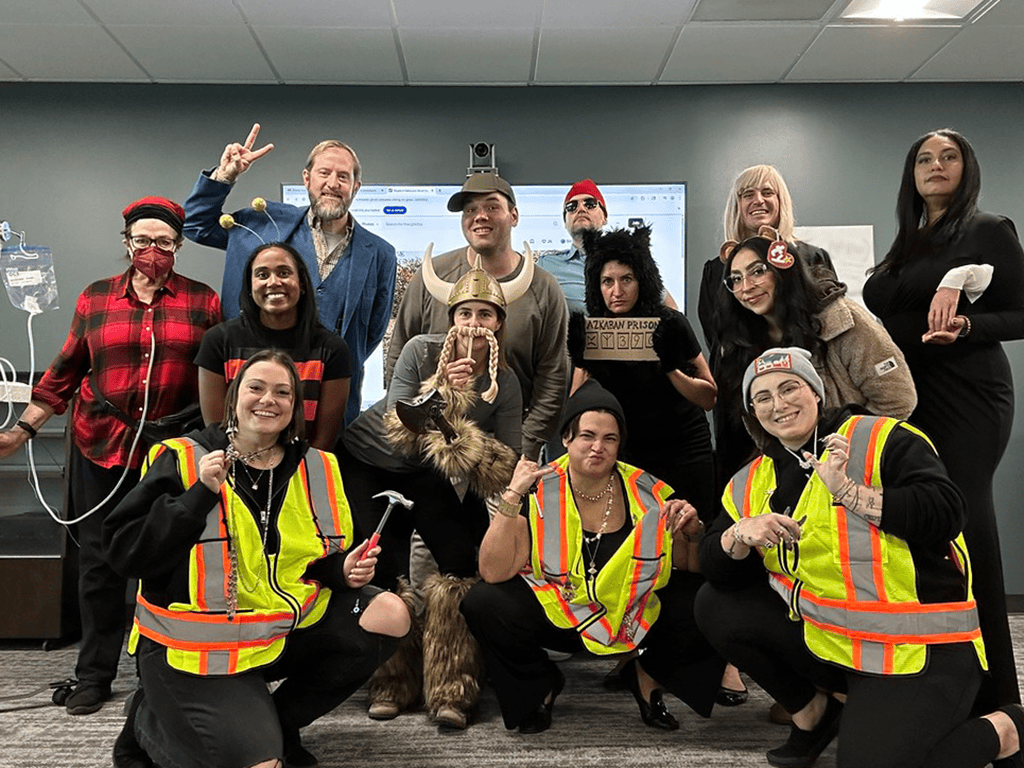
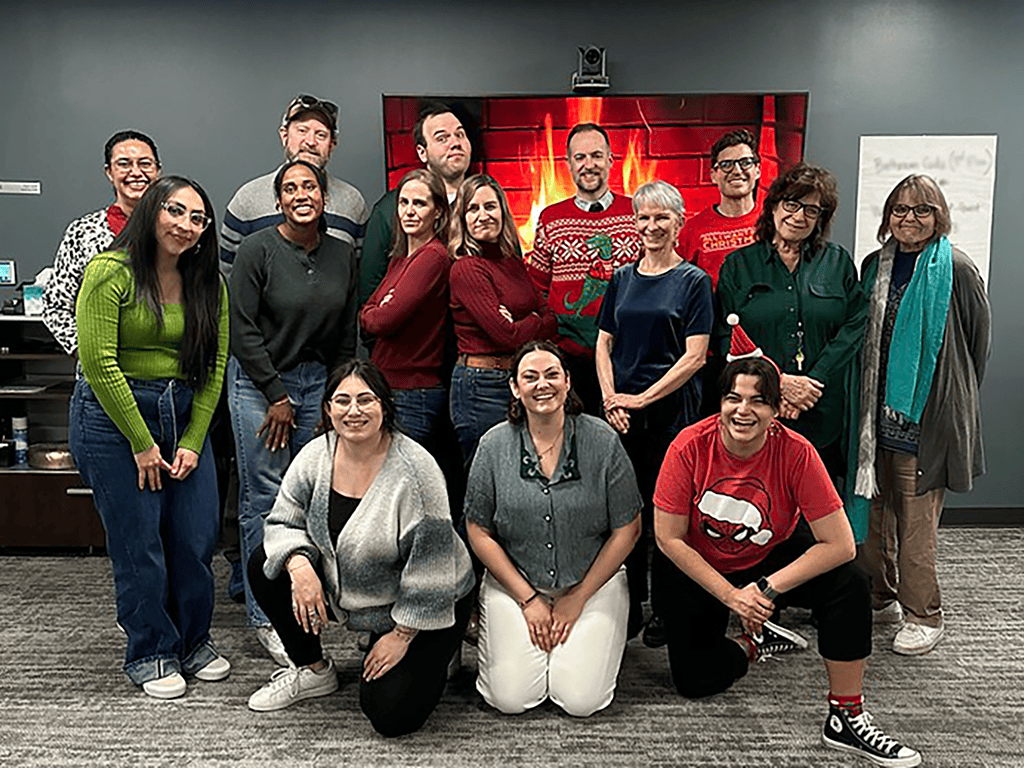
Our values
Equity
Integrity
Strategic advocacy
Collaboration
Community engagement
Our tools
Research & policy analysis
Legislative advocacy
Legal advocacy
Coalition building
Spotlight on coalition building
CRI grant work through the P&A Cohort
CCLP joined with Colorado Fiscal Institute, 9 to 5, and Hunger Free Colorado to create the Policy & Advocacy Cohort which develops and provides support to help Community Resilience Initiative (CRI) grantees, awarded by The Colorado Trust.
The cohort focuses on the full policy cycle including legislation, rule-making administrative advocacy, agency implementation, public comment opportunities, and enforcement. CCLP’s community engagement approach continues to emphasize that policy priorities should be shaped by people closest to the issue.
Colorado Work Requirements Working Group
CCLP is leading the charge to defend our social safety net systems in the face of federal changes and state level execution in light of the Trump administration successfully passing the H.R. 1 bill, which cut federal funding of public programs.
The Colorado Work Requirements Working Group convenes to learn more, identify potential solutions, and collaborates on solutions against negative impacts aimed toward Medicaid and the Supplemental Nutrition Assistance Program (SNAP) through the avenue of new work requirements and restrictions.
CCLP by the numbers
Bills CCLP took positions on in 2026
the CO amendment CCLP helped get on the 2026 ballot with Protect Colorado’s Future coalition
Bills CCLP staff testified on at the Colorado Capitol in 2026
Blogs or articles written and published by CCLP staff
News stories covering the work of CCLP and the Protect Colorado's Future coalition in 2025-2026
Legislative policy priorities: Advancing economic justice, Defending public programs, Strengthening consumer rights
Public comments were made to federal rules
Registrants and tickets sold to CCLP events in 2025-2026
The latest CCLP publications
A profile of Colorado’s young adults
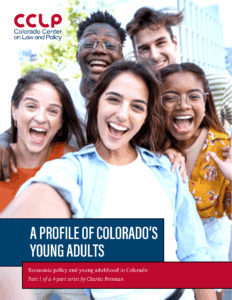 Published July 17, 2026, this report draws on the 5-year American Community Survey and a substantial body of national research to profile over 500,000 Coloradans who were between the ages of 18 and 24 in 2023. Specifically, who they were, where they lived, their work and education, and their economic circumstances.
Read the report here.
Case study: Lessons from the Public Health Emergency unwind in Colorado

Published December 18, 2025, this case study details how CCLP got involved in the disenrollment crisis, in identifying the systemic problems that impacted Coloradans’ ability to access care, and the many long term positive outcomes of this work. Read the lessons learned here.
Reform the Colorado Benefits Management System
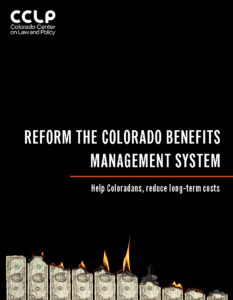
Published December 6, 2025, this fact sheet focuses on the most recent and current contract between Deloitte and the state of Colorado. The purpose of this fact sheet is to ensure Colorado policy leaders are aware of Deloitte’s poor performance, the platform’s substandard user experience, and the current contract’s rising and continued costs.
Read the fact sheet here.
Recommendations on the implementation of the OBBBA in Colorado
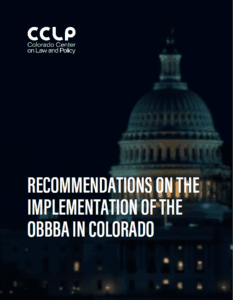 Published November 3, 2025, this document reflects on the contributions over the late summer and early fall of 2025 by Coloradans who shared their expertise in public benefits systems; discussed current obstacles to public programs, training, and jobs; and debated possible solutions. Read the recommendations here.
Examples of CCLP advocacy across priorities

Keeping food accessible

CCLP is working to bridge the gap between national and local partners to support and empower Colorado residents in participating in a class action lawsuit against multiple states’ SNAP restrictive waivers. This case was filed in March 2026, with the National Center for Law and Economic Justice as lead attorneys.
Our team engaged with partners Hunger Free Colorado, Provecho Collective, and Colorado Department of Human Services in the successful implementation of Healthy School Meals for All and Summer EBT. These programs provide essential nutritional benefits to families with school-age children when school is not in session.
CCLP not only testified in opposition to a SNAP restrictive food rule at both hearings, and provided legal analysis, Katherine Wallat’s continued engagement to empower community with the accurate information and tools to testify compounded our impact. Ultimately, the rule was pulled before a final vote.
Ensuring Coloradans have access to health care

The CCLP legal team continues to represent a small number of clients, consisting of both children and adults, in administrative appeals involving loss of Medicaid Private Duty Nursing (PDN). Many Medicaid members have lost PDN benefits in the past year, and individual representation helps our team understand the state’s decision-making and identify systemic errors.
Alongside the National Health Law Program, CCLP continues to track the implementation of a class action filed on behalf of Medicaid-enrolled children who were denied community-based intensive behavioral health services.
CCLP continues to engage in efforts to support Colorado programs to make prescription drugs affordable as Litigation Director Annie Martínez filed an amicus brief in 2026 in the November 2025 Amgen case against Colorado. CCLP had also submitted an amicus in the previous litigation which was dismissed by the court in April 2025.

Returning to a fairer state income tax

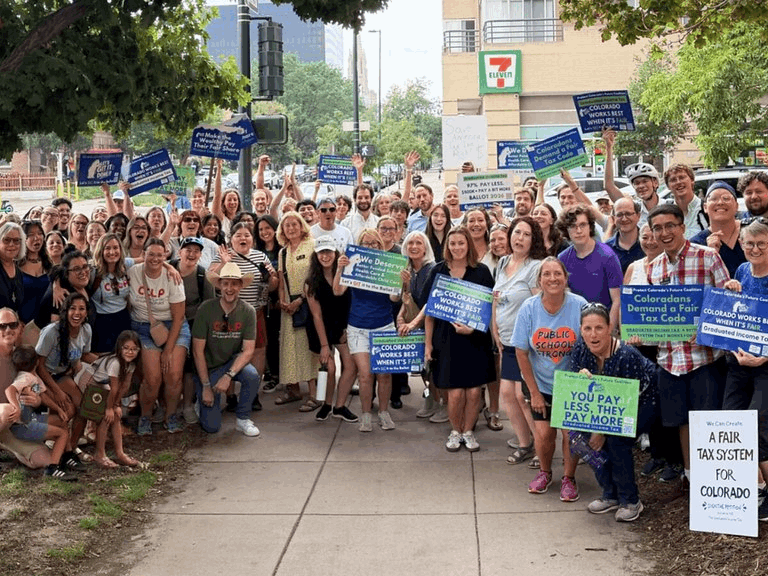
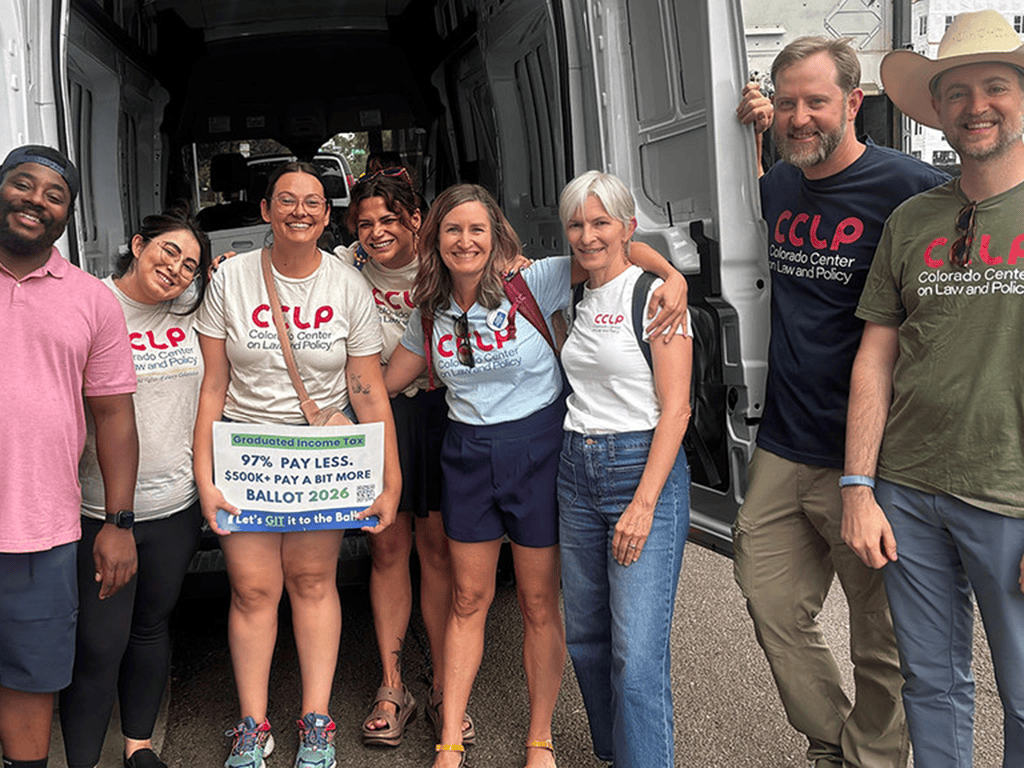
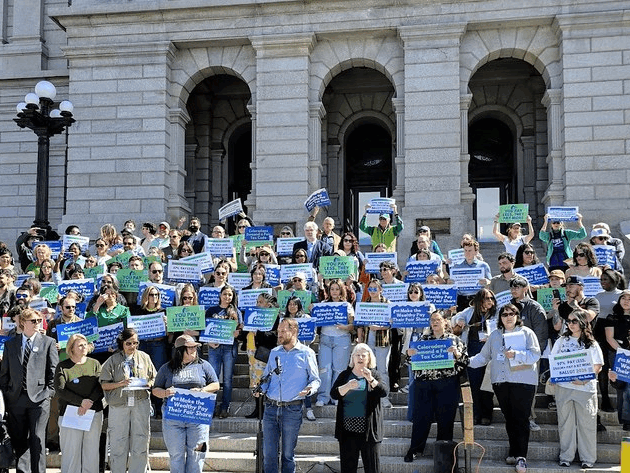
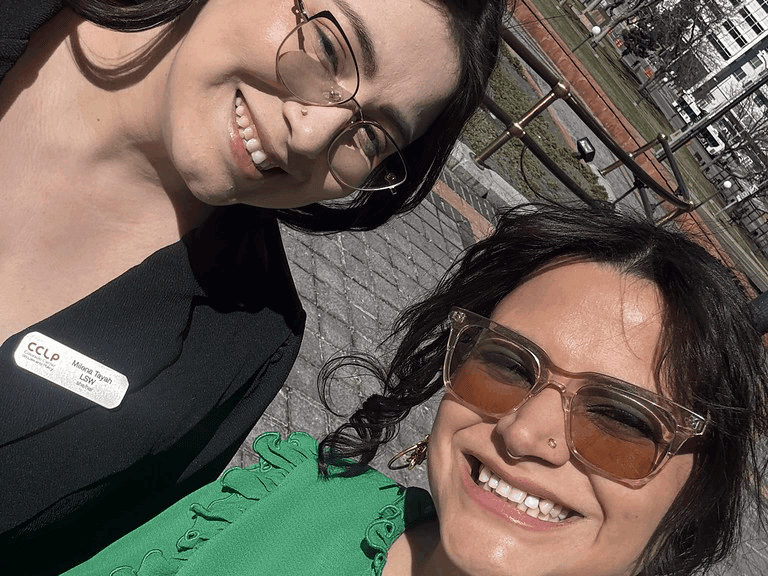
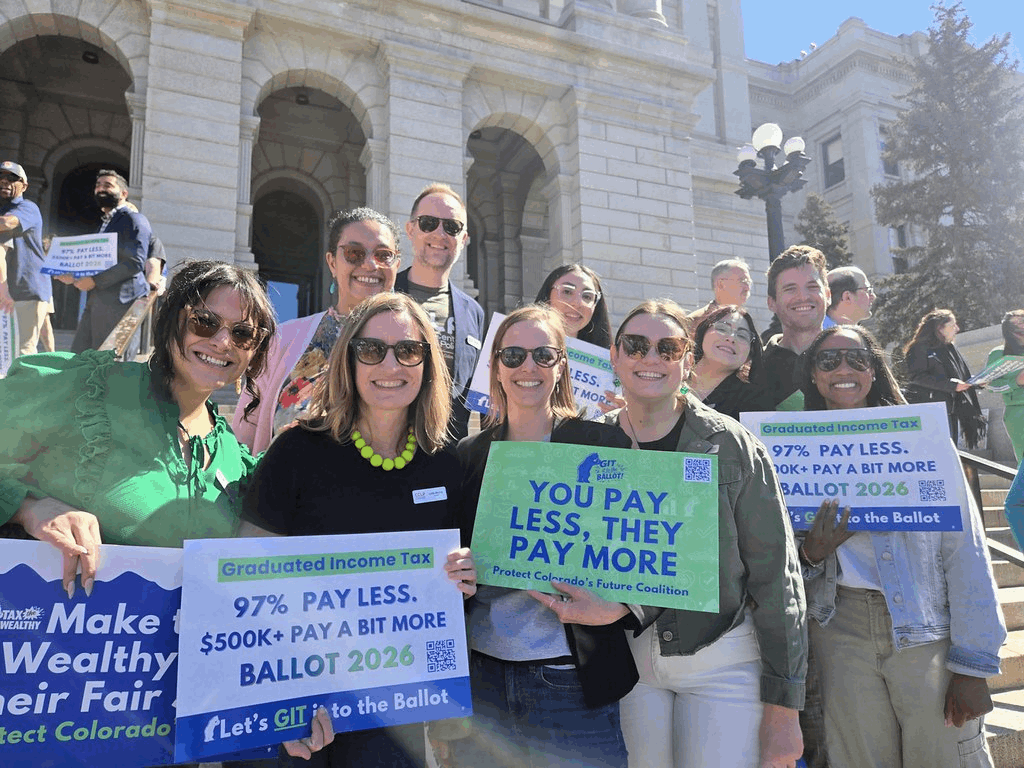
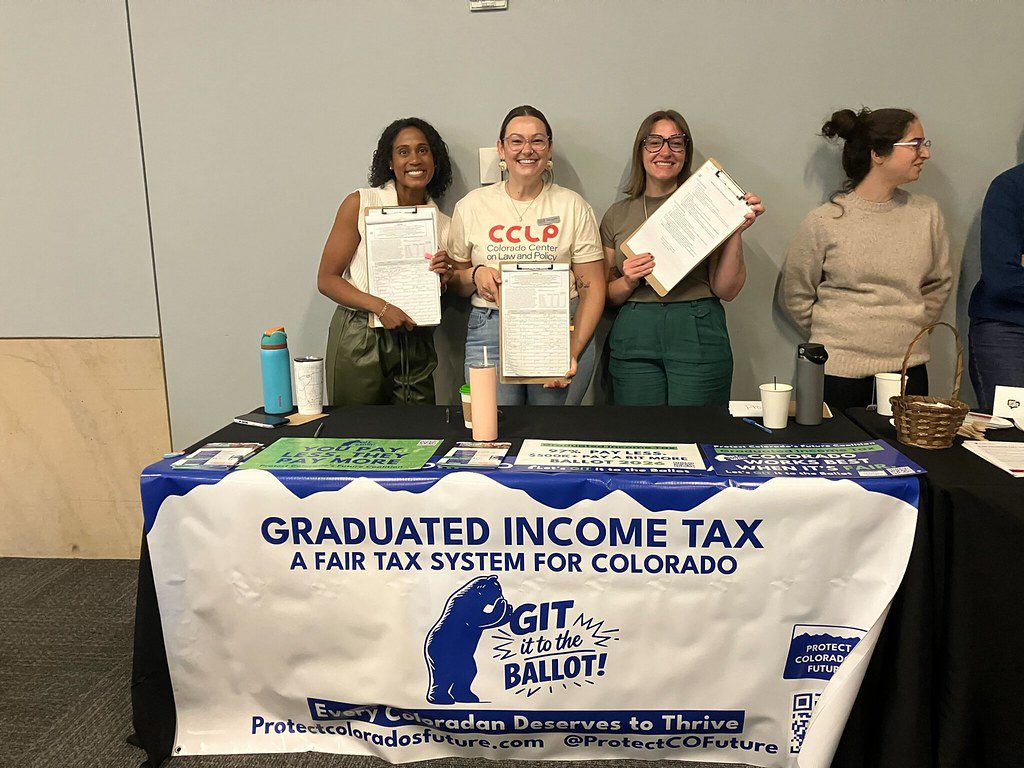
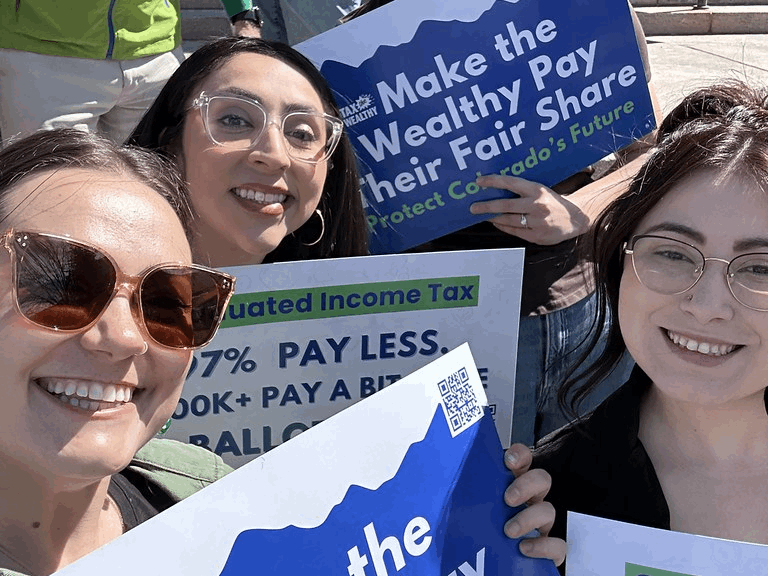
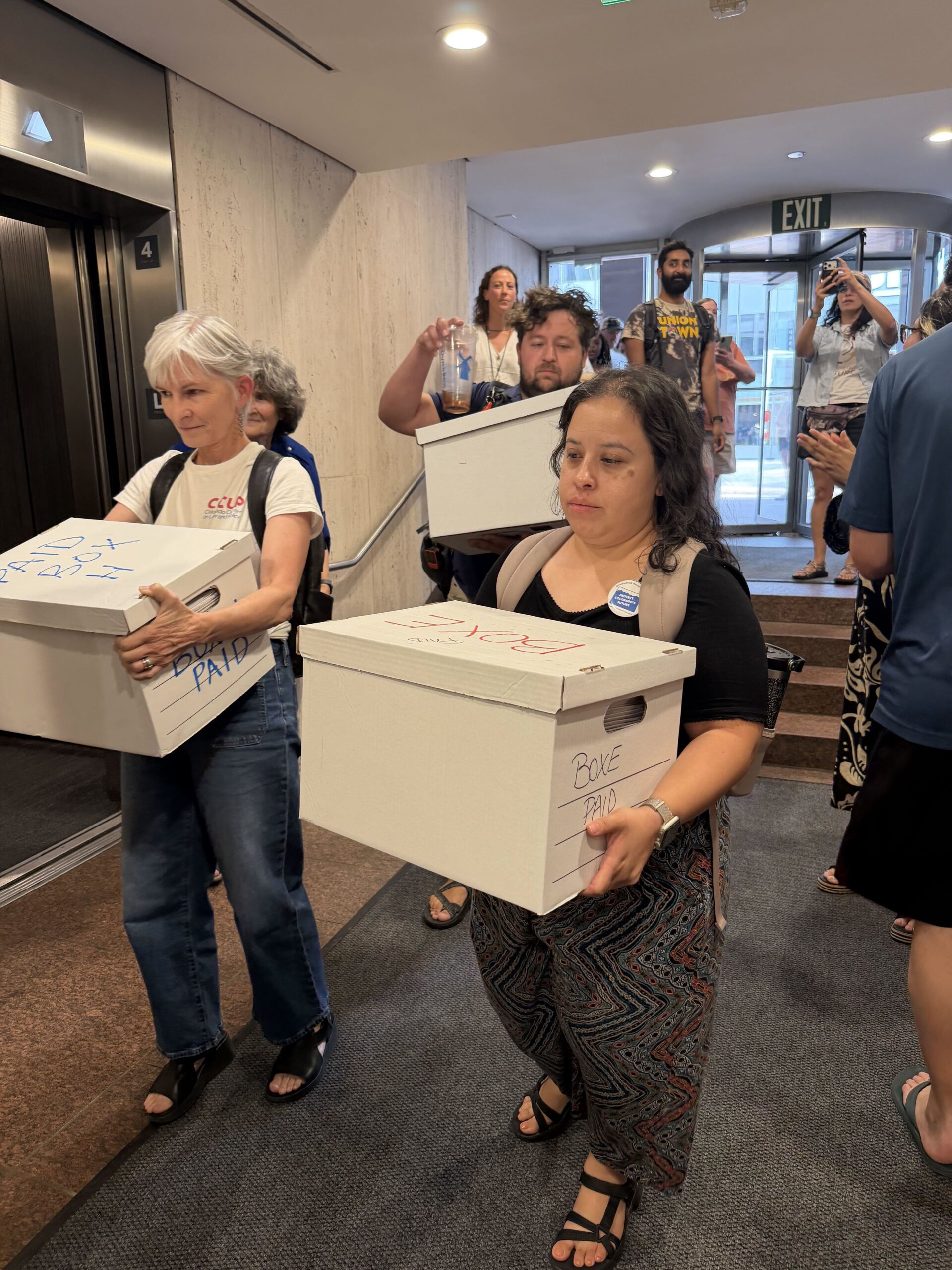
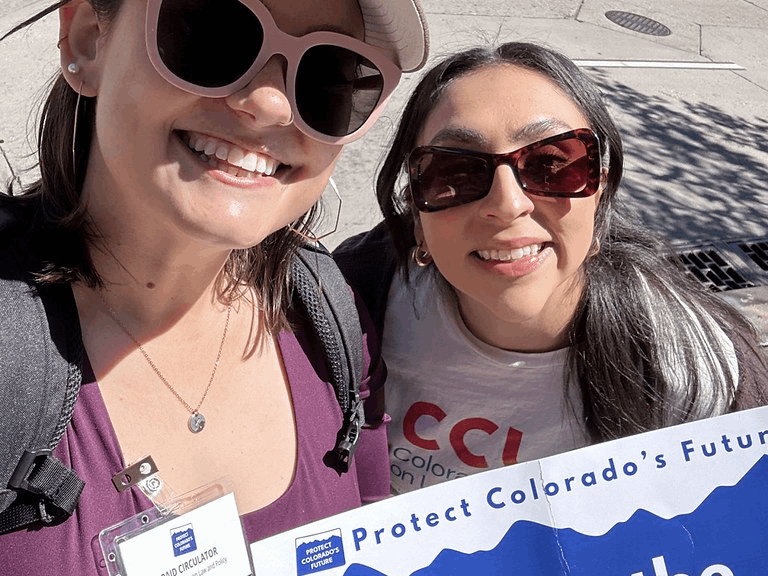
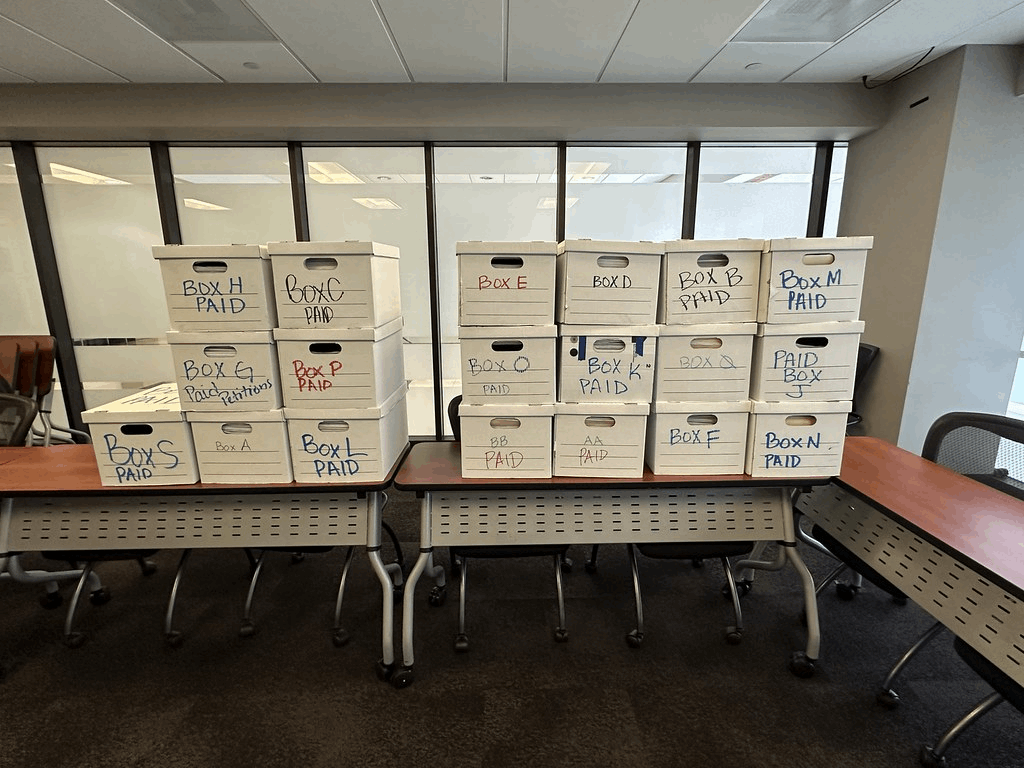
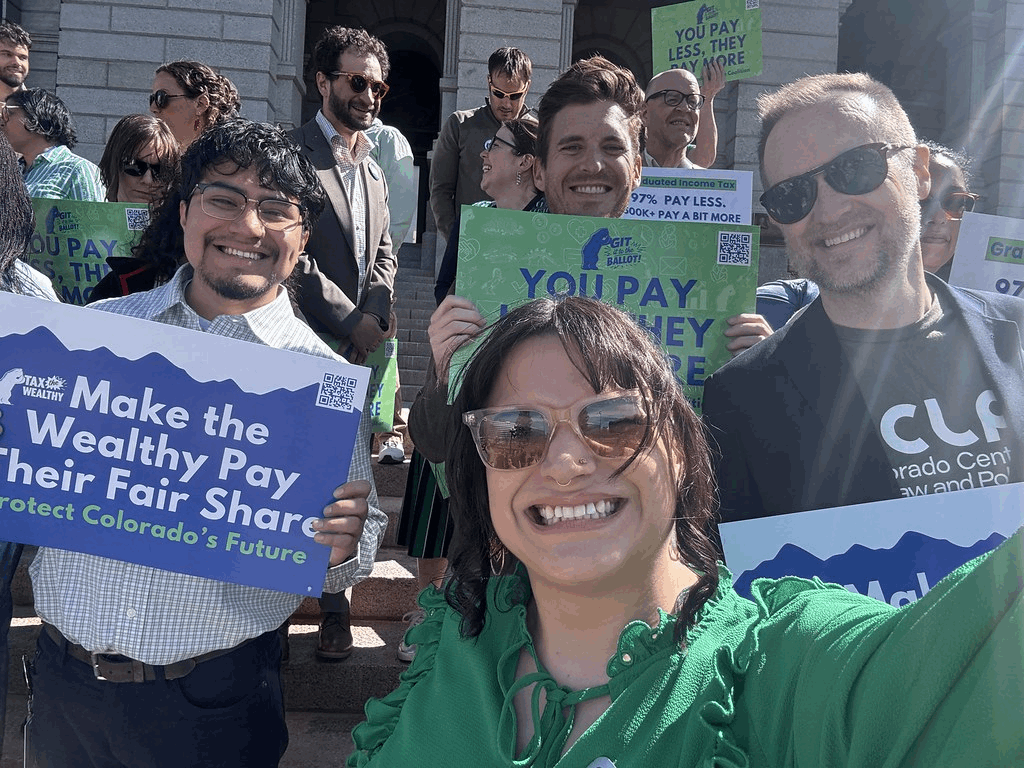
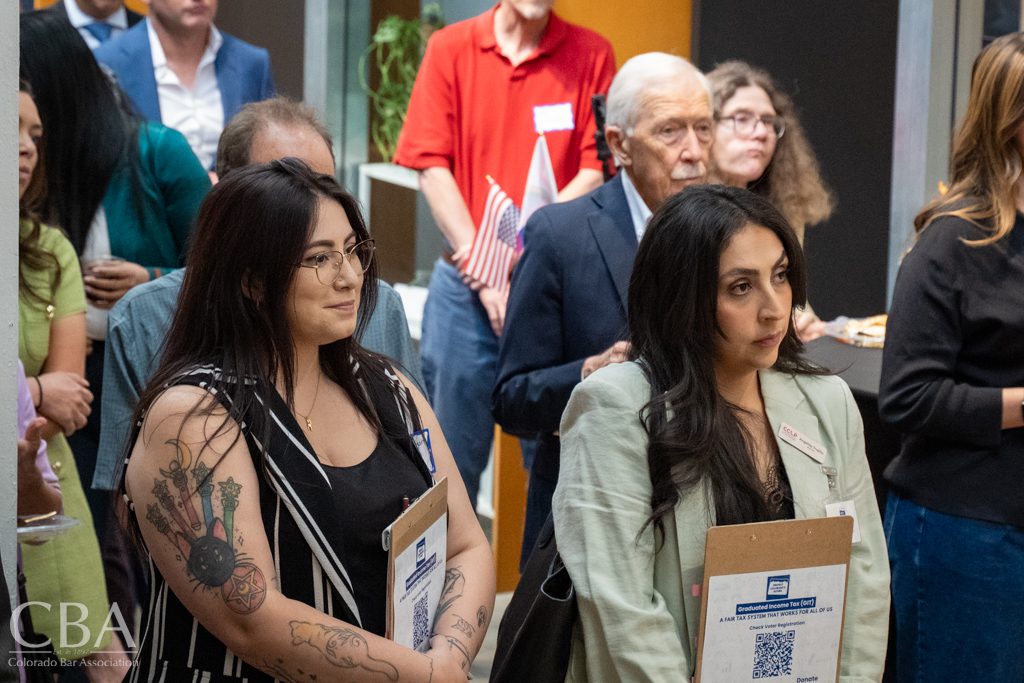
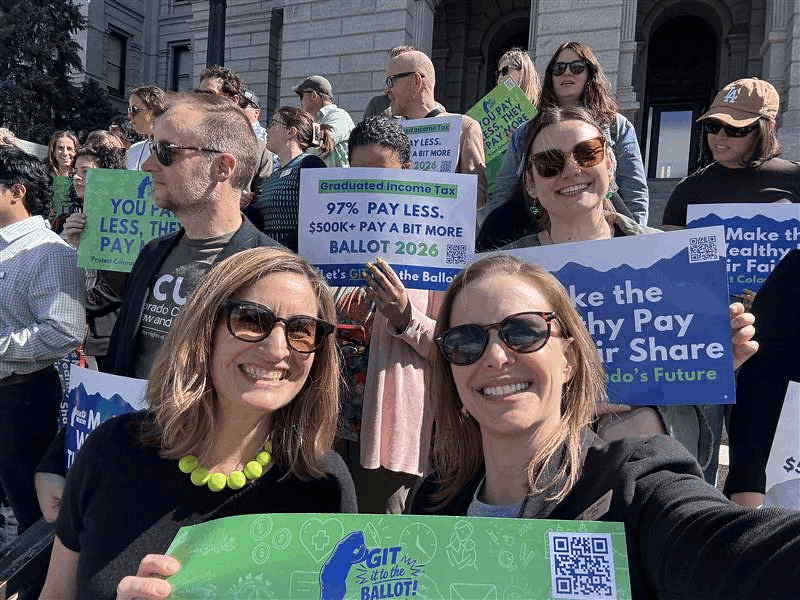
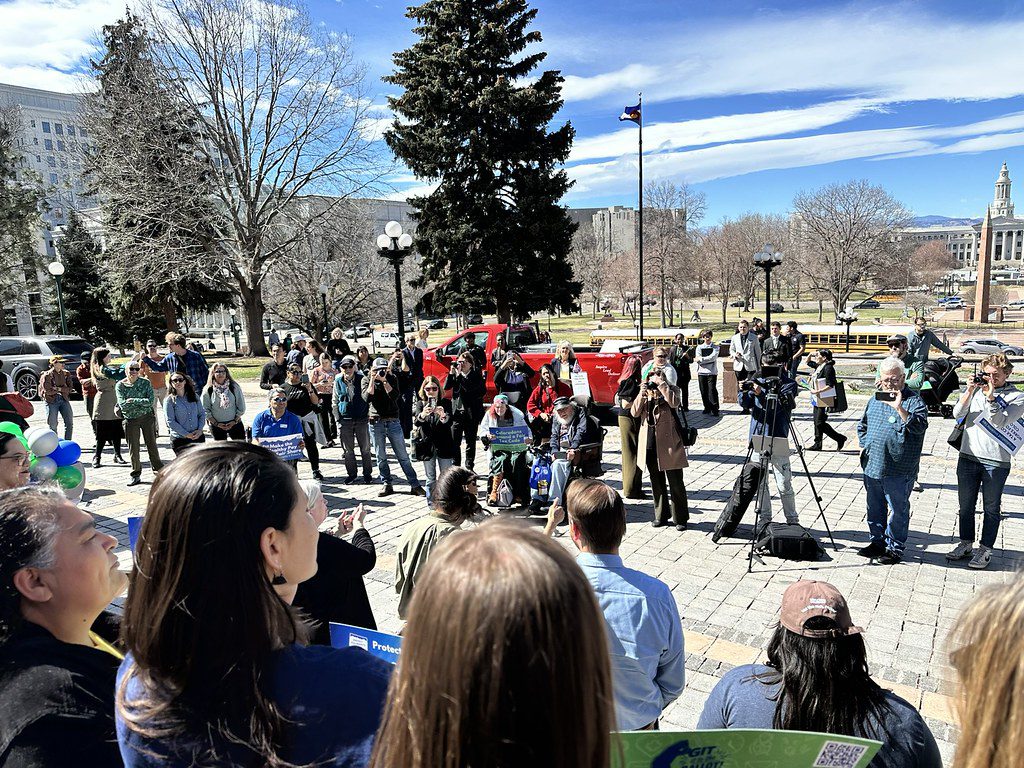
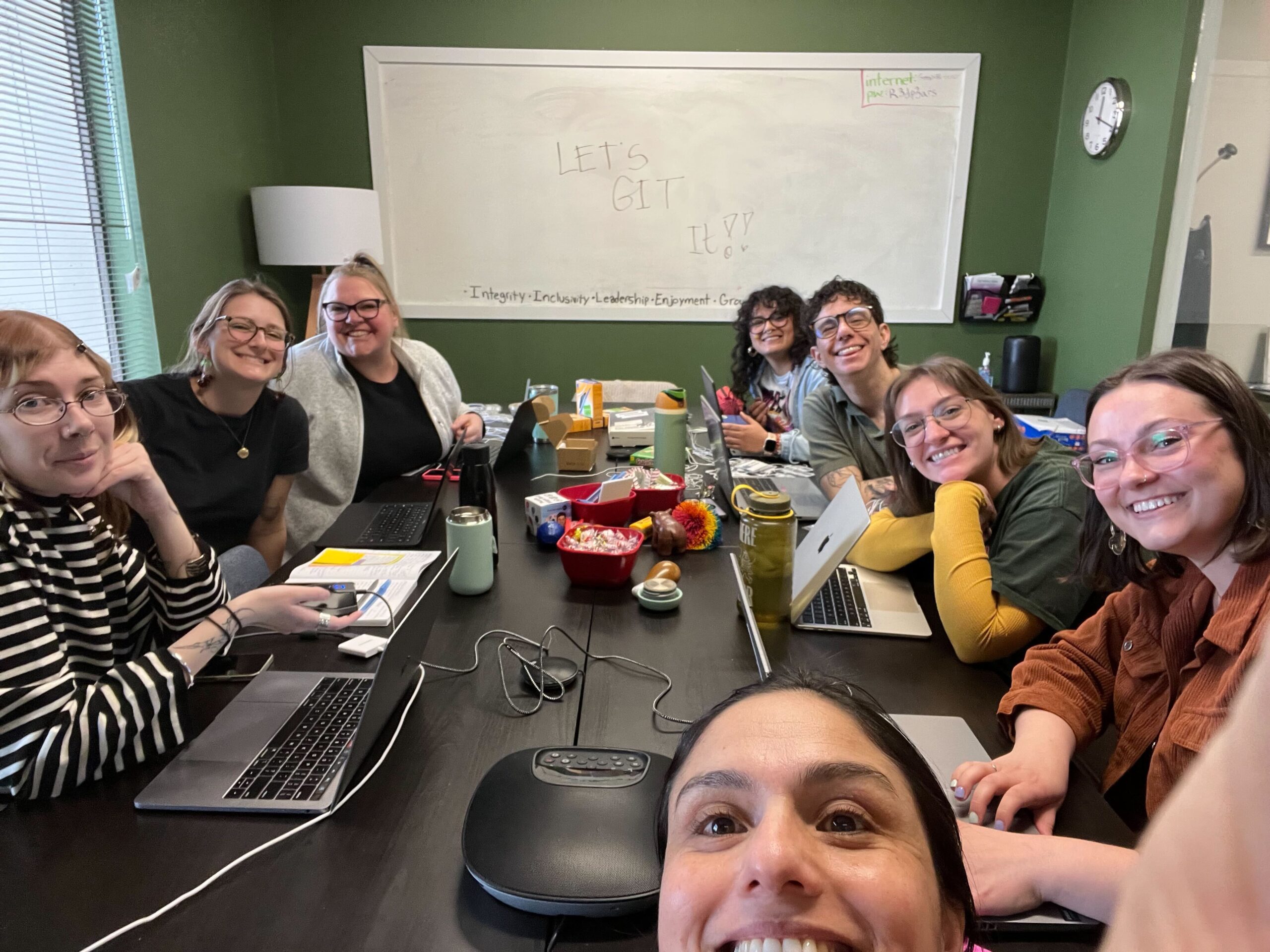
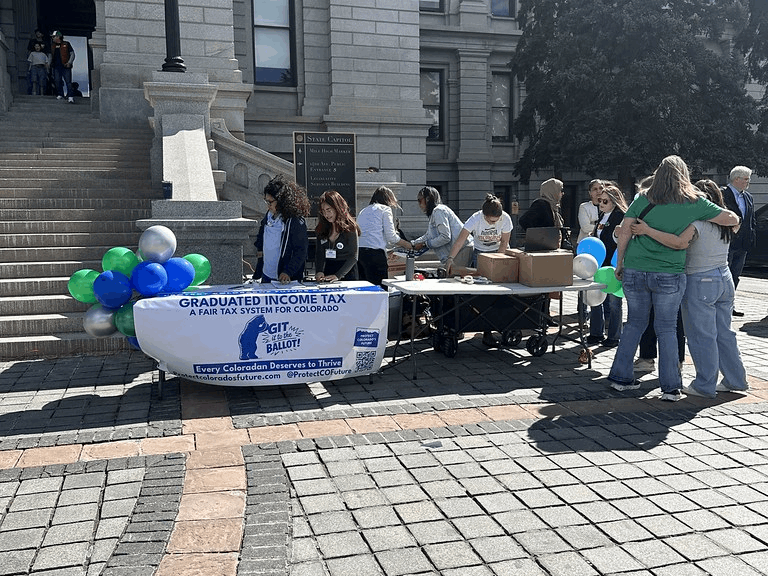
With 12 other organizations, CCLP co-launched a new coalition effort to establish a fairer tax system and restore sanity to Colorado’s state budget. Protect Colorado’s Future (PCF) coalition is running a ballot measure in the 2026 election to change Colorado’s flat tax to a graduated income tax. The proposed measure would lower taxes for 97% of Coloradans, while raising them modestly on incomes above $500,000 a year, raising much needed revenue for the state.
CCLP is an executive committee member organization for the coalition. And the team actively participated as members of various subcommittee members, including communications, fundraising, grassroots, and policy development.
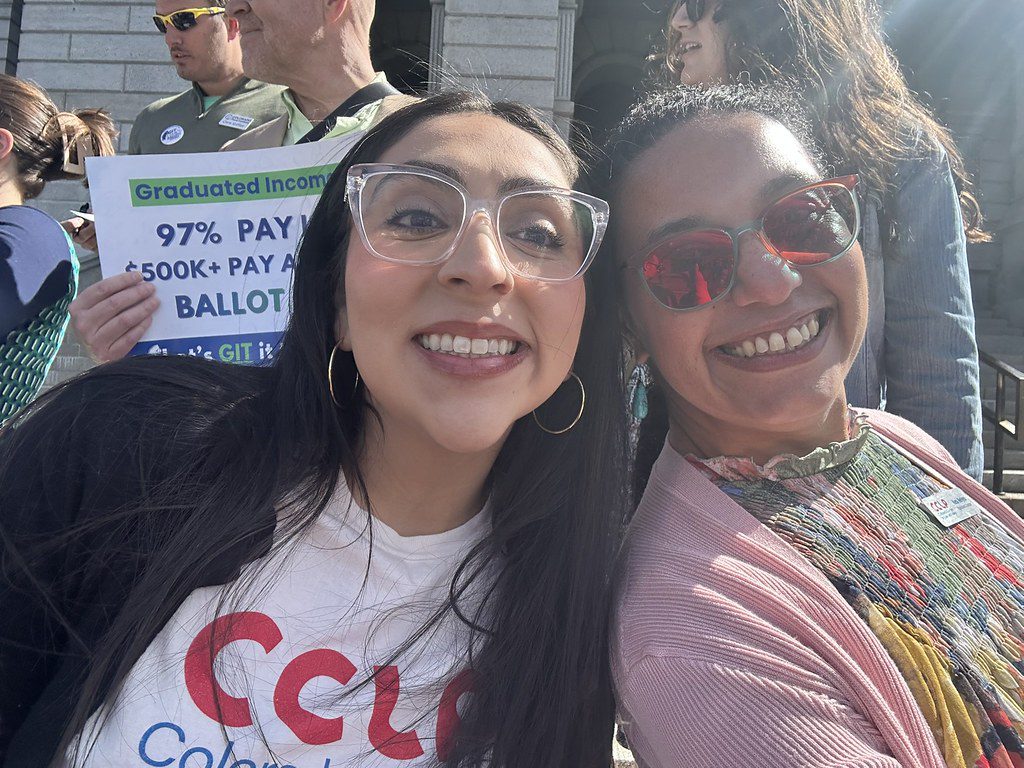
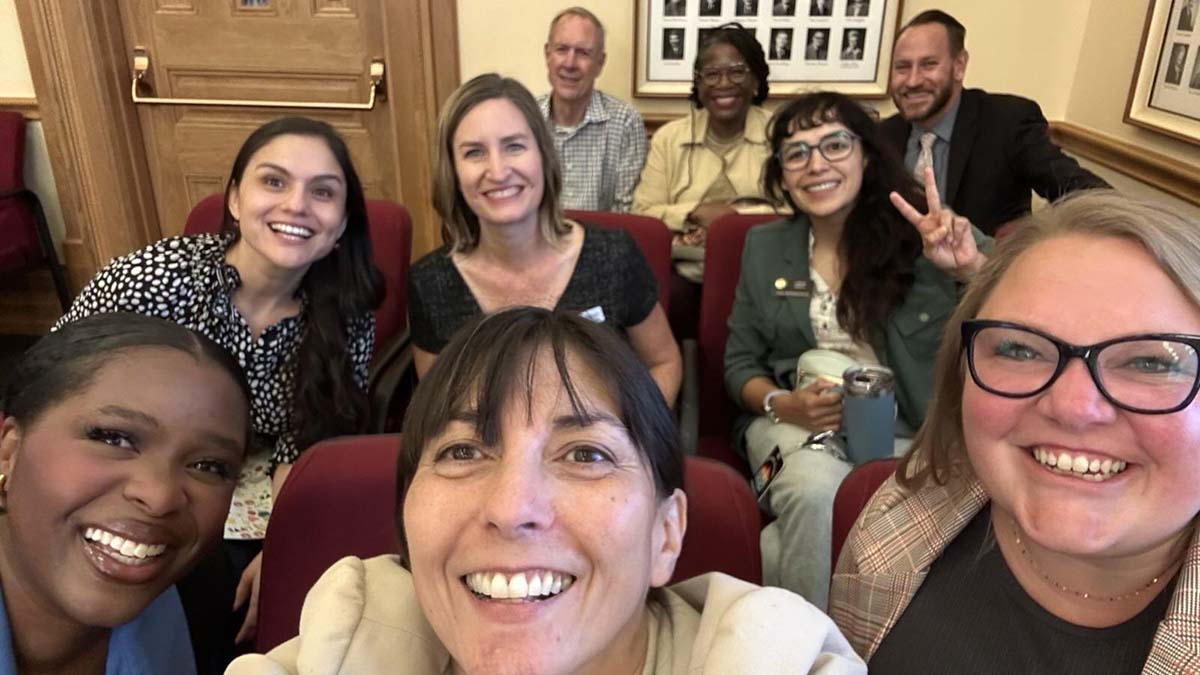
CCLP joined in hosting community conversations about the measure in the Front Range and Eastern Plains, gathered signatures at the Colorado Children’s Campaign’s Speak Up For Kids event, participated in a Day of Action at the Rockies Home Opener to collect signatures, presented to Emergency Family Assistance Association’s Strategic Education Committee, and participated in May Day events across the state, among several other efforts.
Representation in the toughest fights

Residents and community members brought concerns of a large private equity nationwide mobile home park sale to CCLP. The legal team helped assess whether the notice of sale met requirements of the Mobile Home Park Act, and has engaged with the Colorado Attorney General’s office over concerns about consumer protections and the role of private equity in the sale.
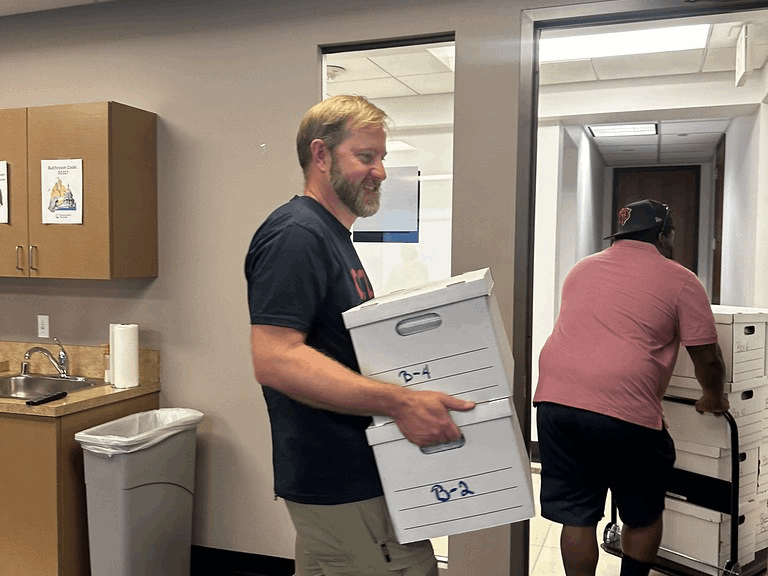
In our litigation advocacy, with co-counsel Justice for the People, Annie Martínez initiated a class action in May 2025 on behalf of mobile home park residents in multiple parks. The case received Provisional Class Certification in early 2026. Full class certification briefing continues and this case is ongoing.

CCLP in the news
Rally for a graduated income tax
In September 2025, CCLP as a part of the Protect Colorado’s Future coalition pitched a new graduated income tax measure for the 2026 November ballot. Receiving attention across the state, The Denver Post was one of the media outlets to cover the story.
Conservative groups called the measure “class warfare,” but supporters of the bill argued Coloradans would save a couple hundred dollars. Currently, all residents pay 4.4% in income tax, regardless of their income.

Affordable daycare within Colorado
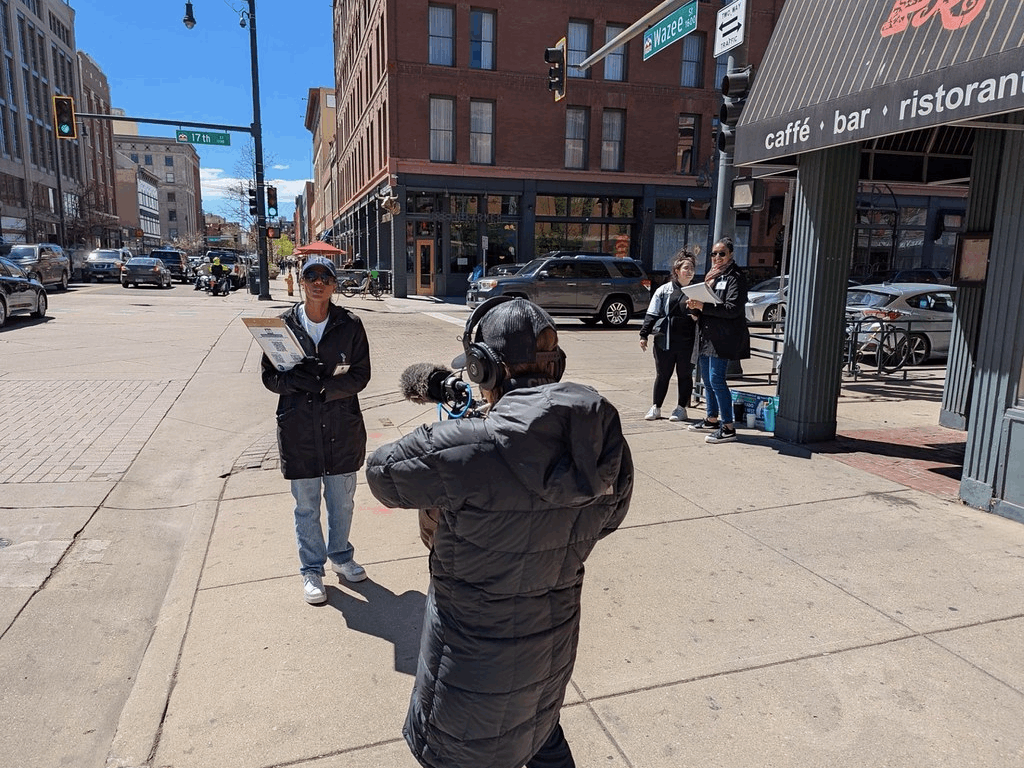
In April 2026, Rocky Mountain PBS released their documentary addressing the issues concerning accessing child care within Colorado in today’s times.
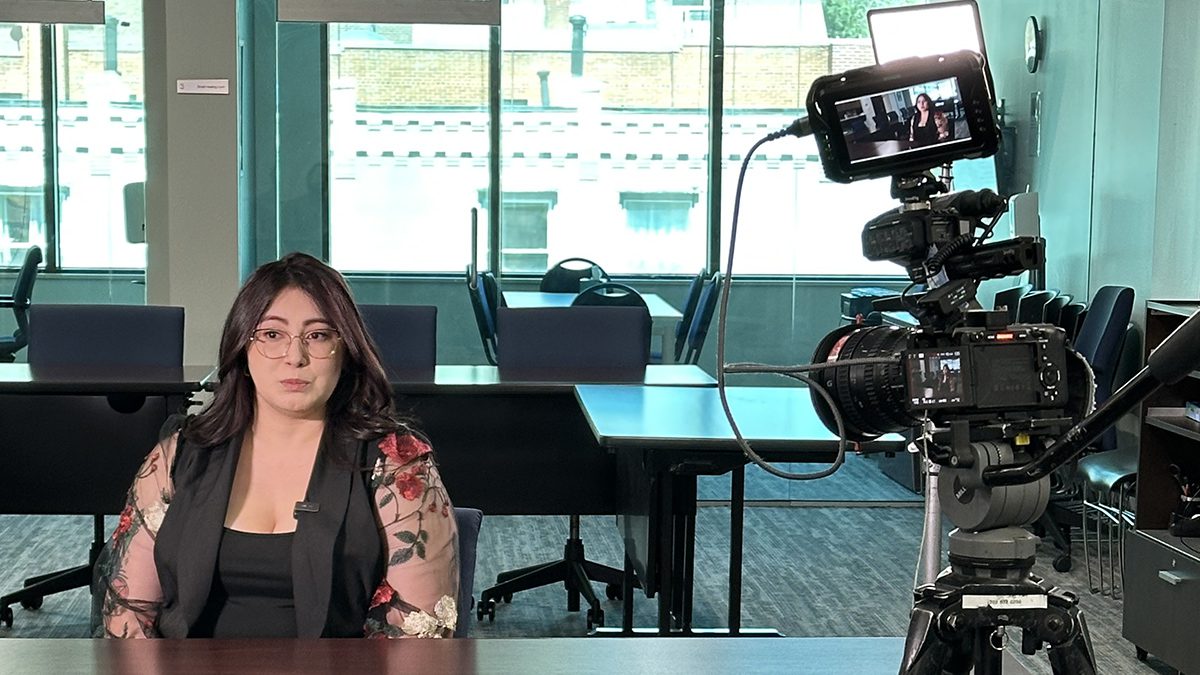
CCLP’s Community Engagement Director Morgan Turner interviewed in the documentary while petitioning for signatures to get a graduated income tax on to the 2026 ballot showcasing CCLP’s efforts to support Colorado communities. Access the video directly on Rocky Mountain PBS’ YouTube Channel.
Dangerous preemptive power shutoffs
Xcel Energy announced it would provide customers with 72 hours’ advance notice before power shutoffs and would also provide up to $10,000 in rebates toward backup battery systems for those who qualify medically and apply.
CCLP Policy Advocate Milena Tayah was interviewed by Denver 7 to give a statement concerning Xcel Energy’s efforts. She made note that though Xcel is addressing the issue, the potential still remains that the customer may not receive the notice, and a battery backup generator may only last up to two to four hours. Read more about this initiative on Denver 7.
The TABOR sized issue at hand
CCLP’s own CEO Lydia McCoy co-wrote a weighty opinion piece in the Colorado Sun with Colorado Fiscal Institute’s Kathy White and identifies Governor Jared Polis’ habit of stating that the rising costs of Medicaid are “unacceptable and unsustainable.”
He fails to mention how TABOR manages to deny establishing reserves during times of prosperity and handicaps the budget during times of duress. This results in easier tax breaks for the wealthiest Coloradan residents. Read more about this issue on The Colorado Sun.
Continued CCLP impact in the news:
August 4, 2026, The Aspen Times, Supporters of income tax change measure submit signatures for Colorado ballot(syndicated in Steamboat Pilot & Today)
May 22, 2026, Colorado Politics, Colorado is too wealthy to keep cutting basic services | GUEST COLUMN
April 24, 2026, The Sum & Substance, State leaders looking to improve workforce-development system
March 17, 2026, Colorado Times Recorder, Graduated Income Tax Initiative Begins Signature Gathering Campaign
February 6, 2026, KFF Health News, With ICE Using Medicaid Data, Hospitals and States Are in a Bind Over Warning Immigrant Patients (syndicated in CNN) (y en español)
January 26, 2026, Colorado Politics, TABOR and the Colorado Constitution’s fiscal Gordian Knot | Miller Hudson
November 20, 2025, The Denver Post, Colorado Medicaid cuts to home caregiver program would put strain on families that ‘are already struggling’
November 17, 2025, Colorado Newsline, Colorado ban on medical debt on credit reports challenged after new Trump administration rule
October 7, 2025, Law360, Drug Board First To Cap Drug Price, Likely Not The Last
July 1, 2025, The Denver Post, Colorado officials blast Republican Senate tax bill as final passage — and Medicaid cuts — loom
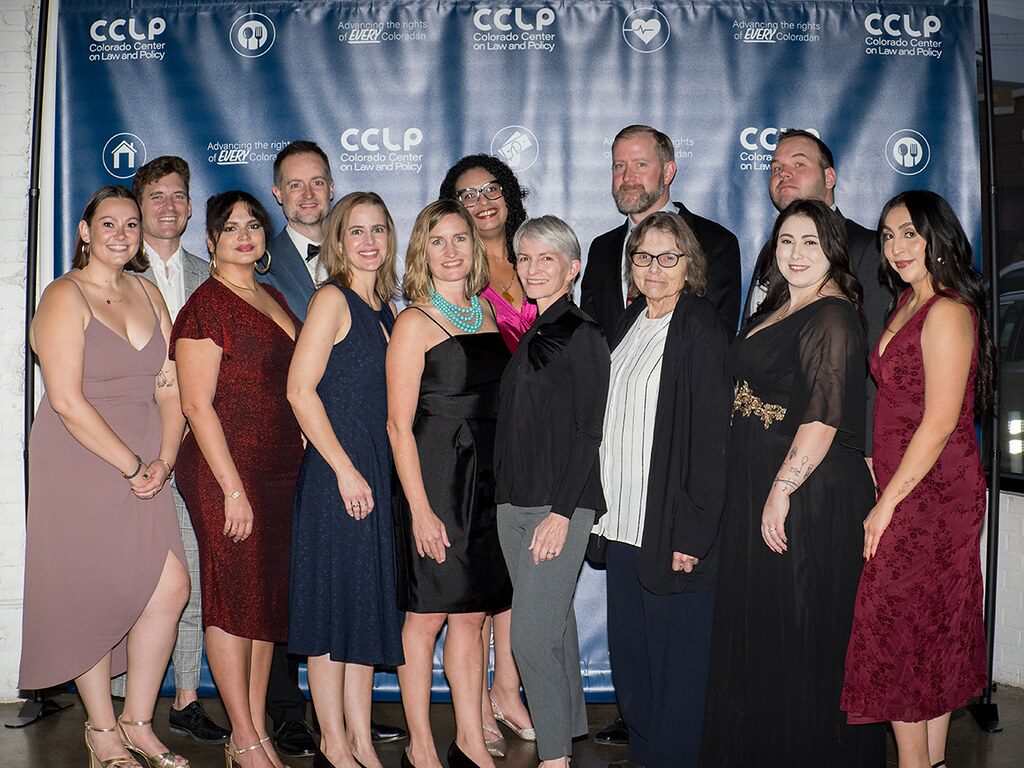


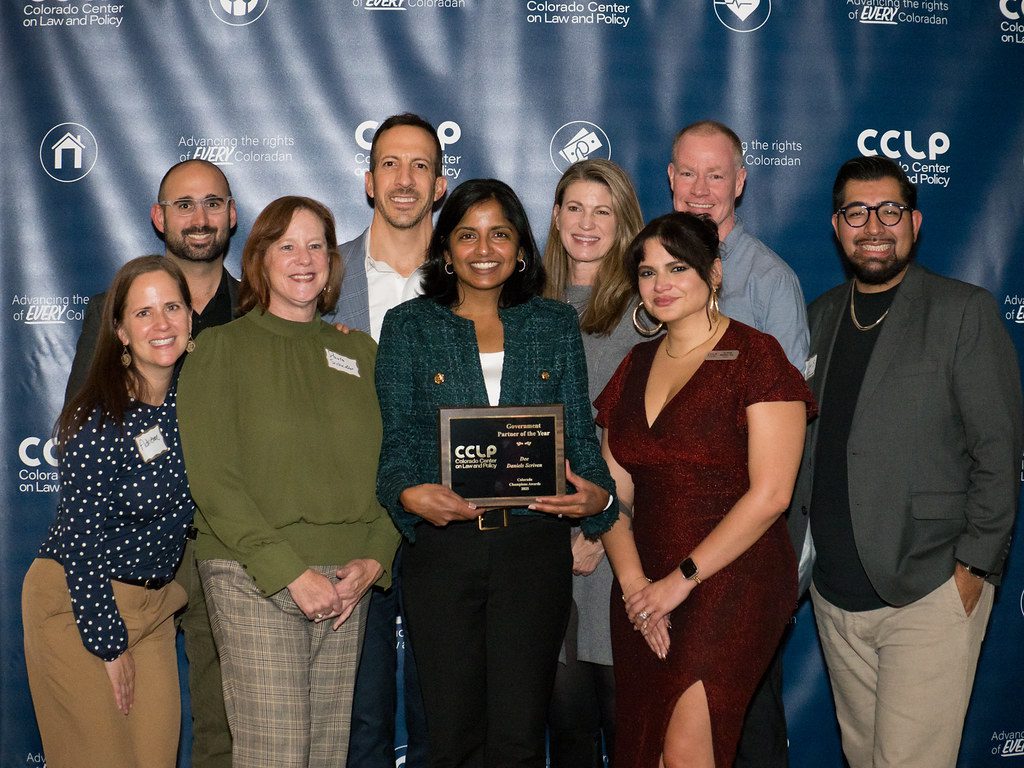





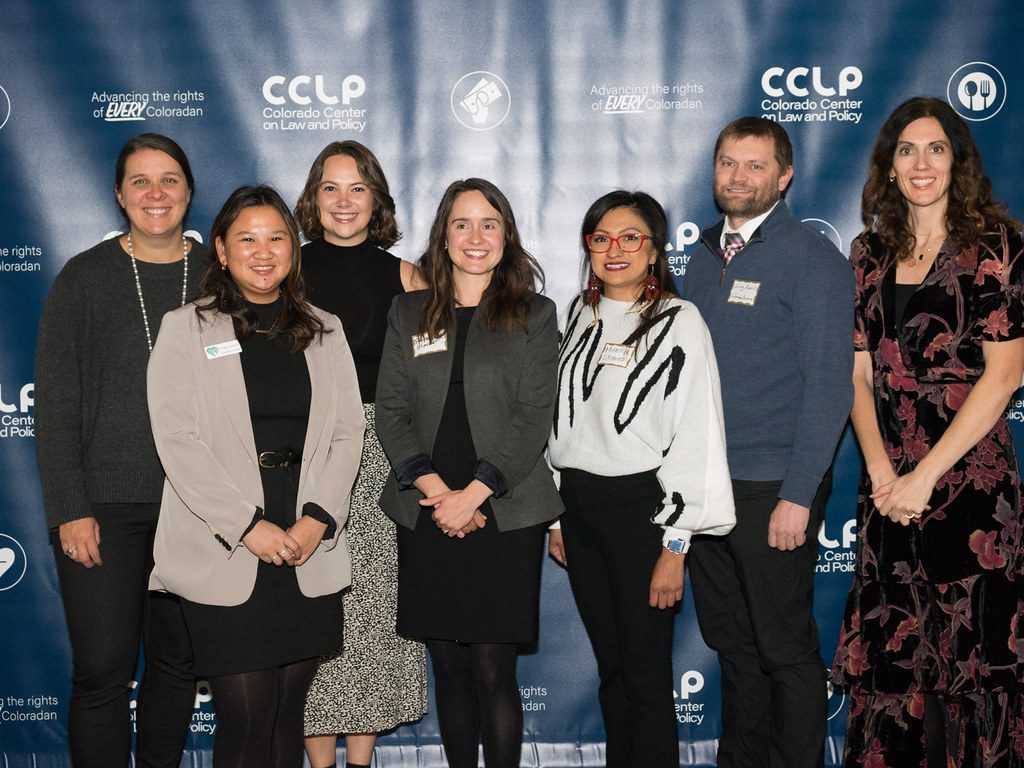
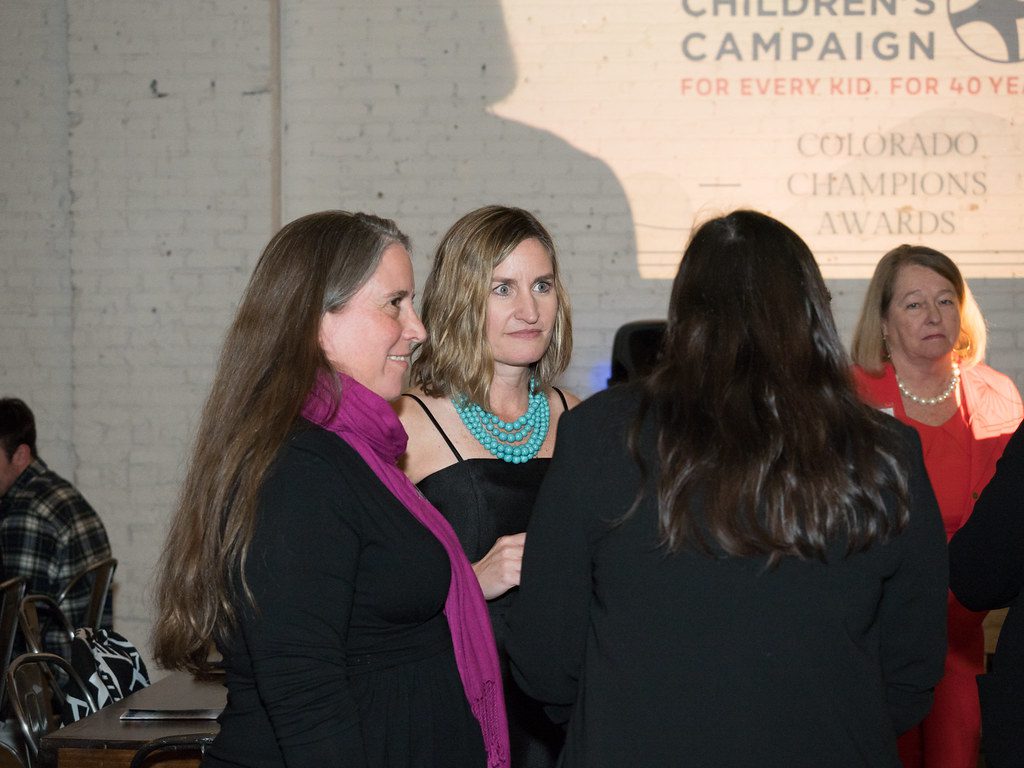







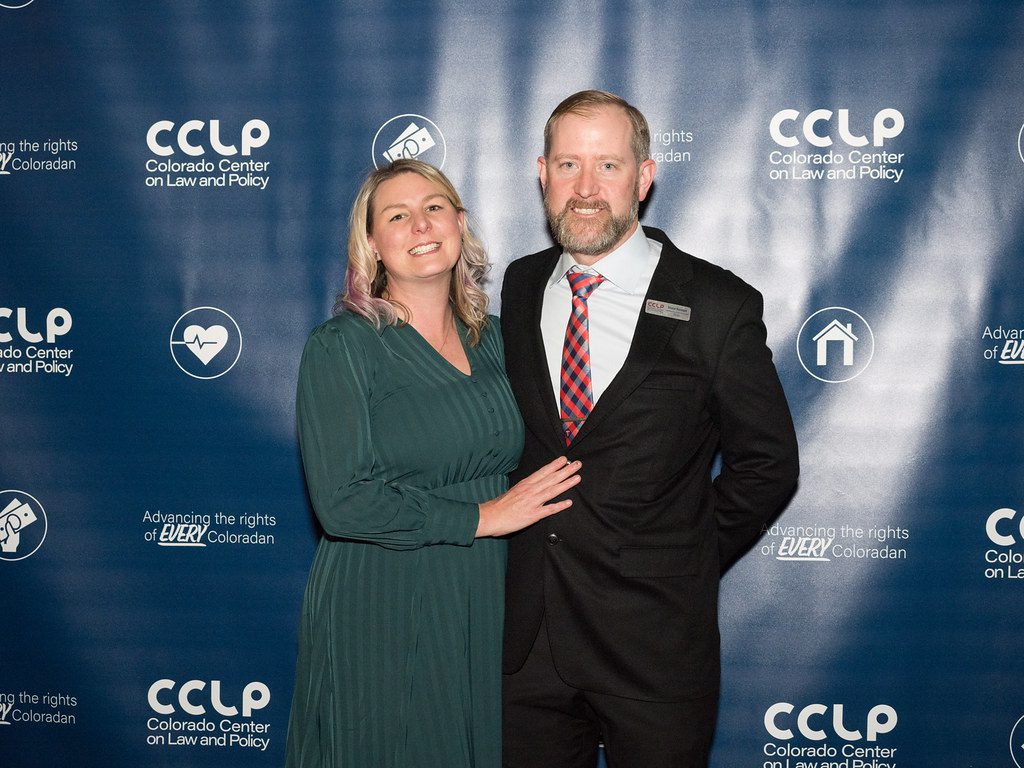
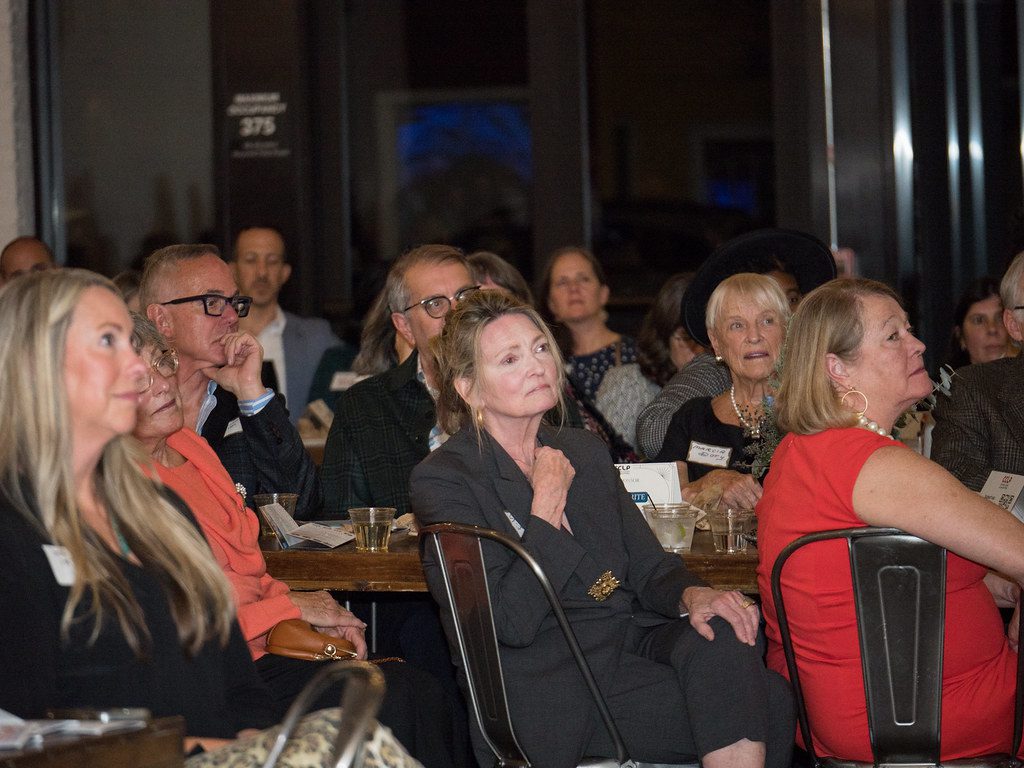
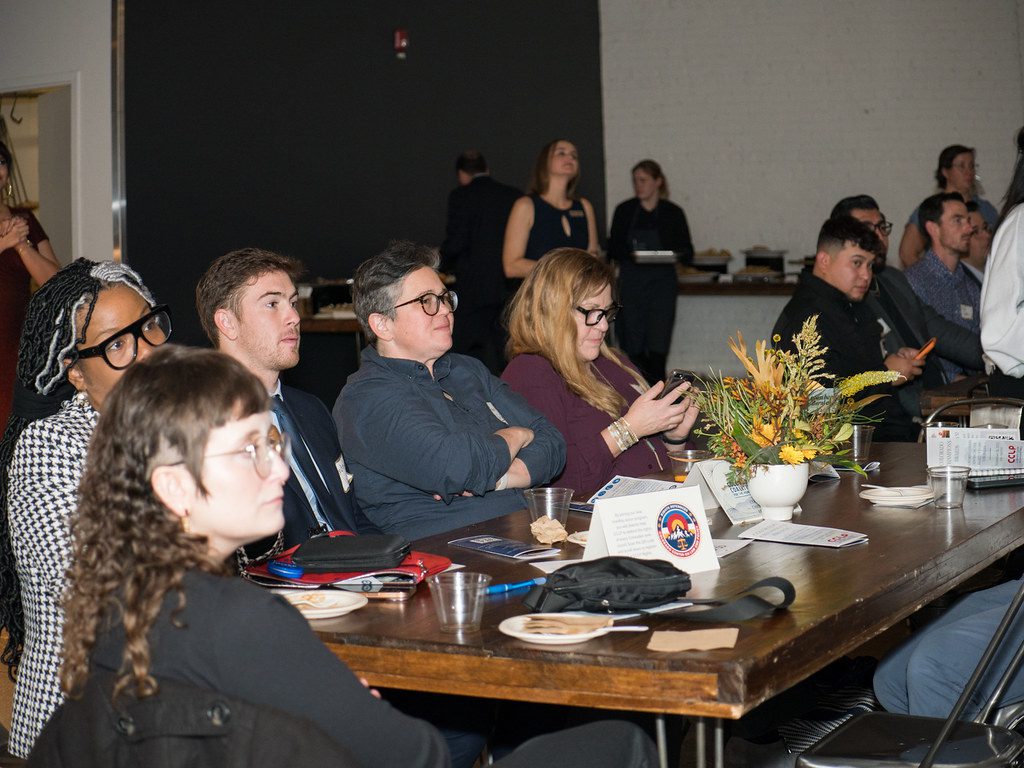

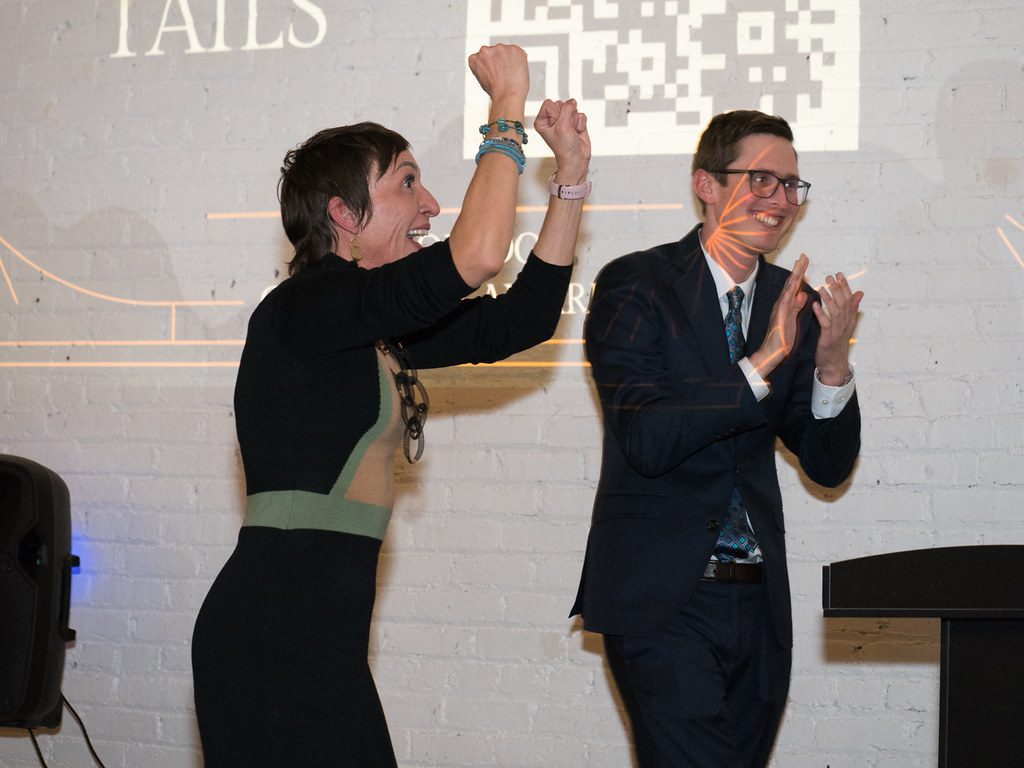

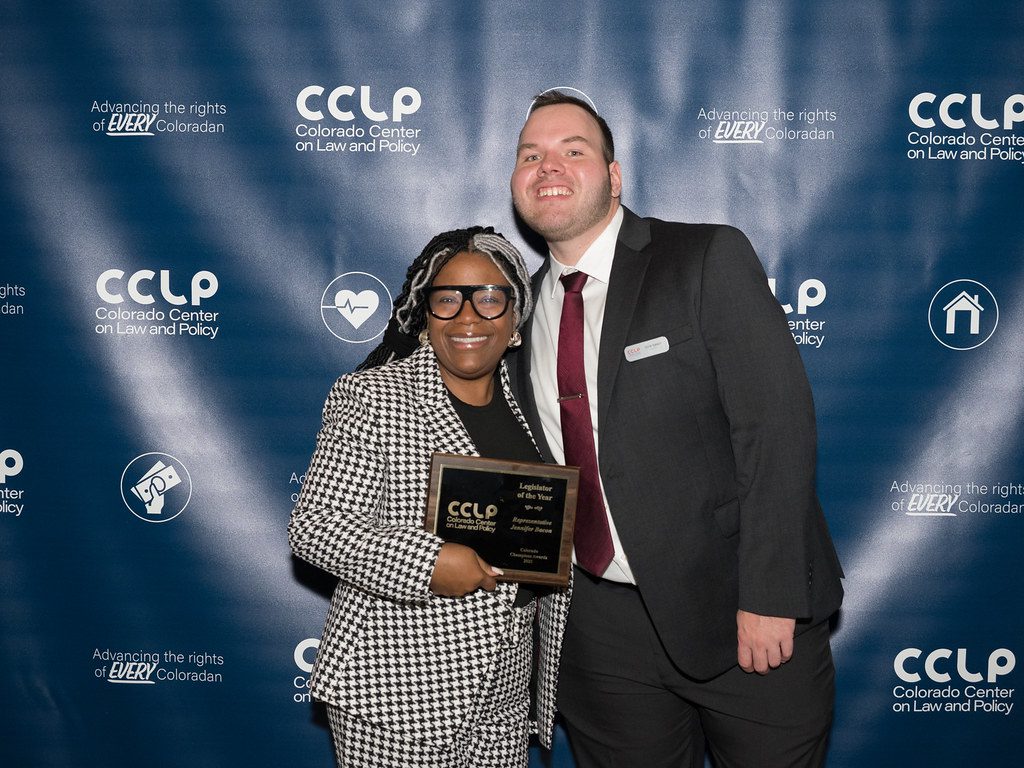
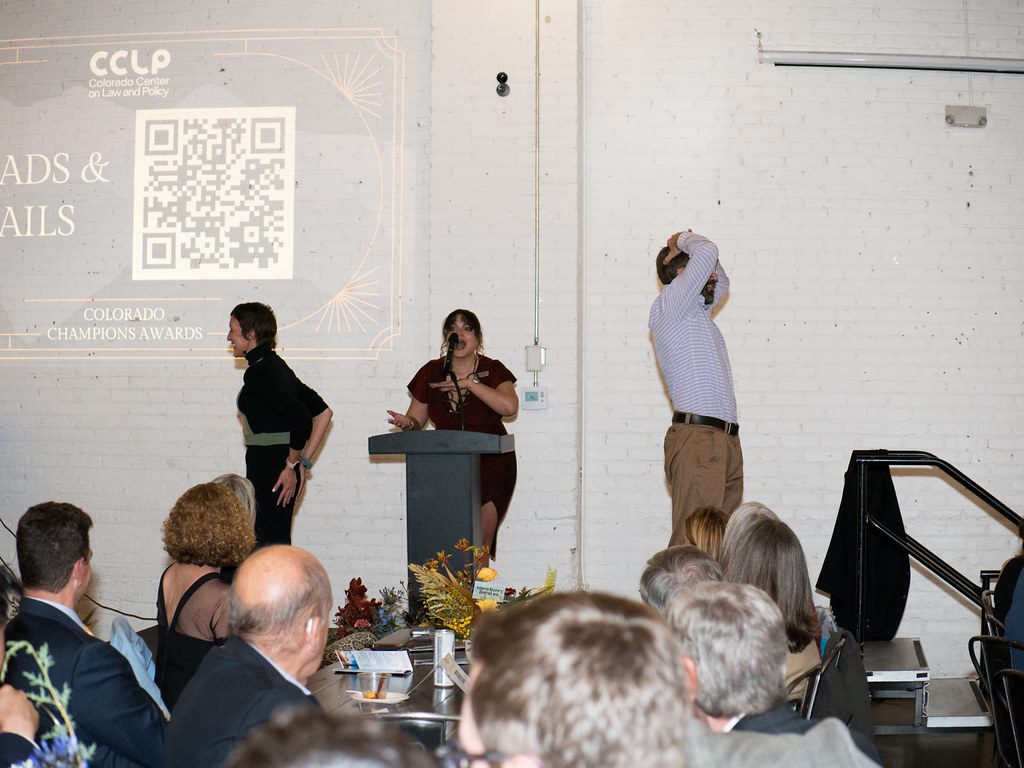

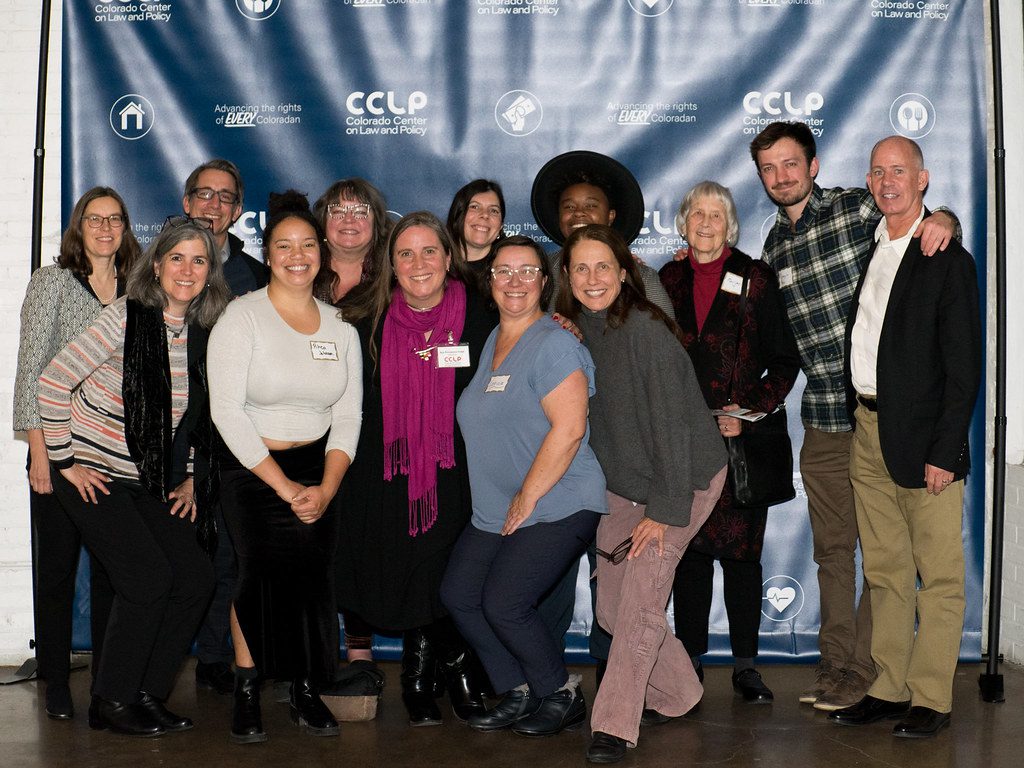
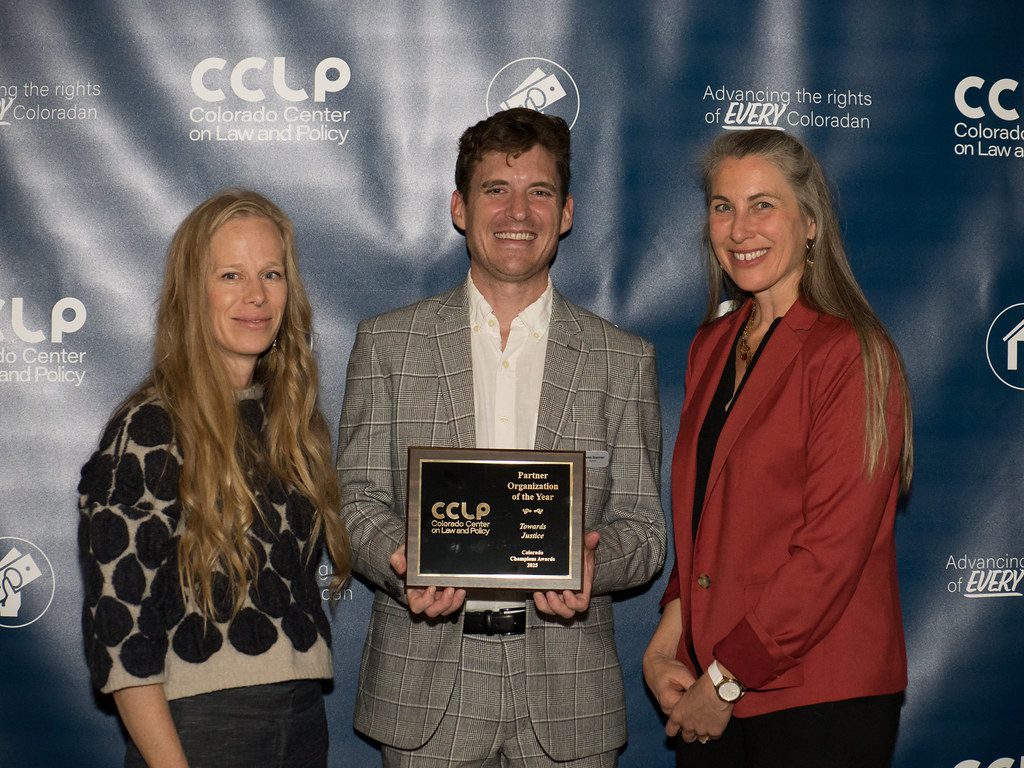
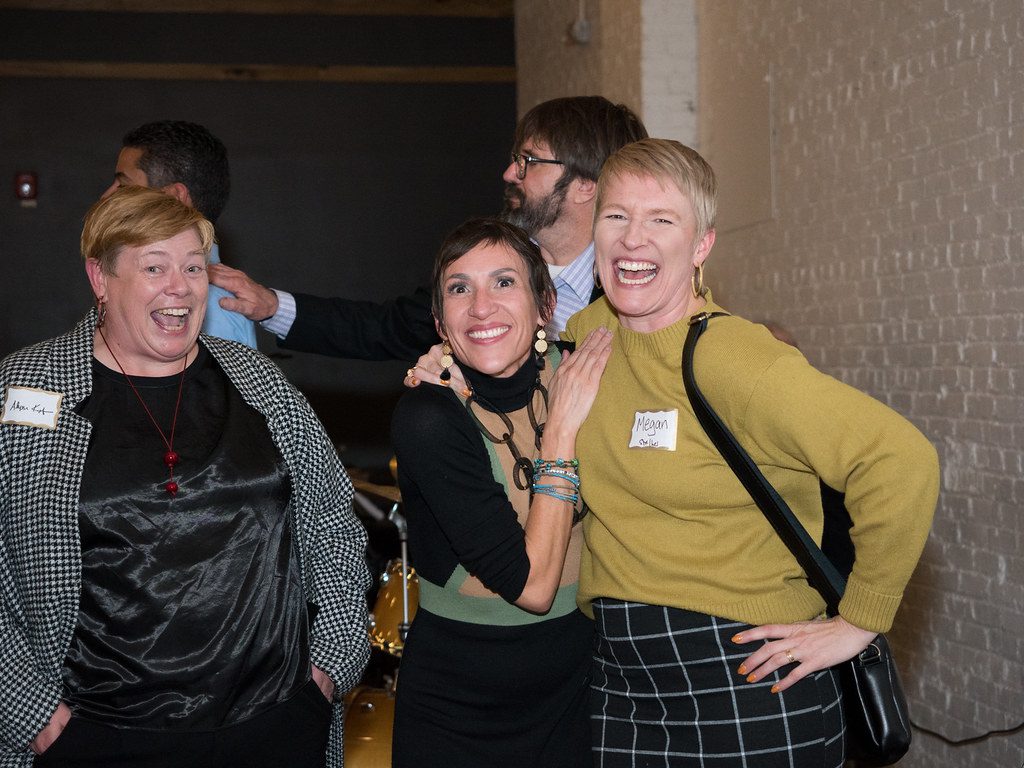

2025 Colorado Champions Awards
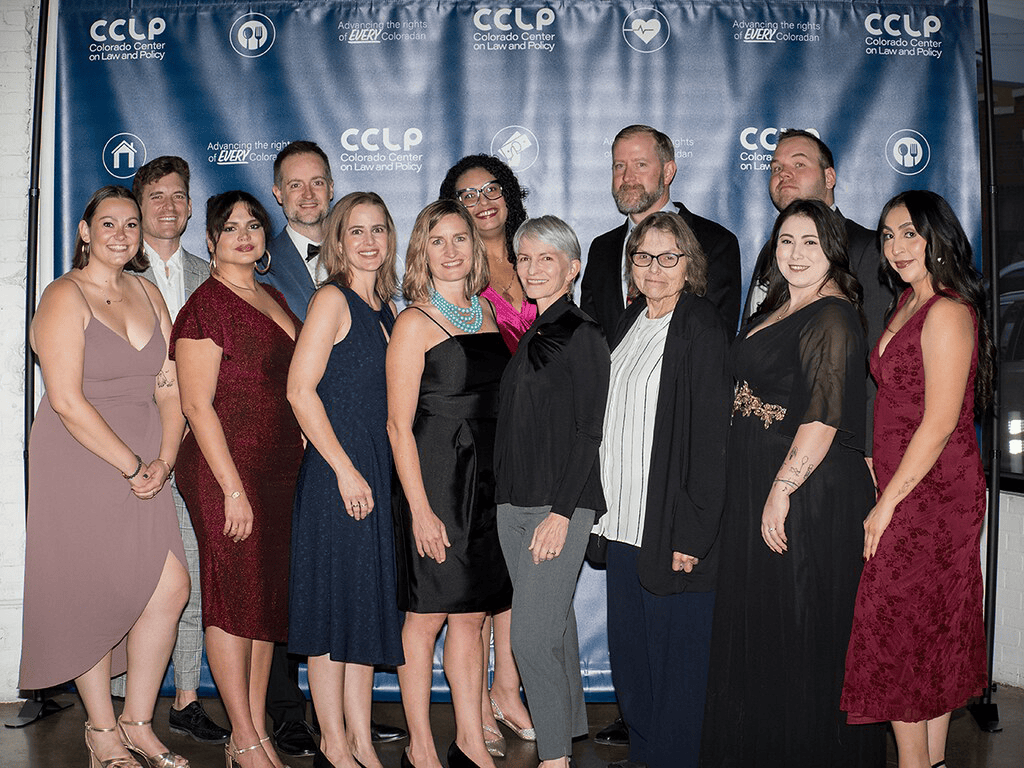
In the 12th annual awards reception, we celebrated a new event, Colorado Champions Awards. CCLP highlighted champions whose stories inspire action and show the power of community partnership as well as distinguished special guests, including policymakers and advocates.
Colorado Champions Awards is a catalyst for change. By honoring the hard work of advocates, convening diverse leaders, and raising essential funds for the antipoverty movement, the event strengthens CCLP’s impact across health care, food security, economic justice, and housing stability.
Our 2025 champions included:
- Partner Organization of the Year: Towards Justice
- Legislator of the Year: Representative Jennifer Bacon
- Government Partner of the Year: Dee Daniels Scriven
- Community Advocate of the Year: Megan Bowser
2025 Partners in Progress
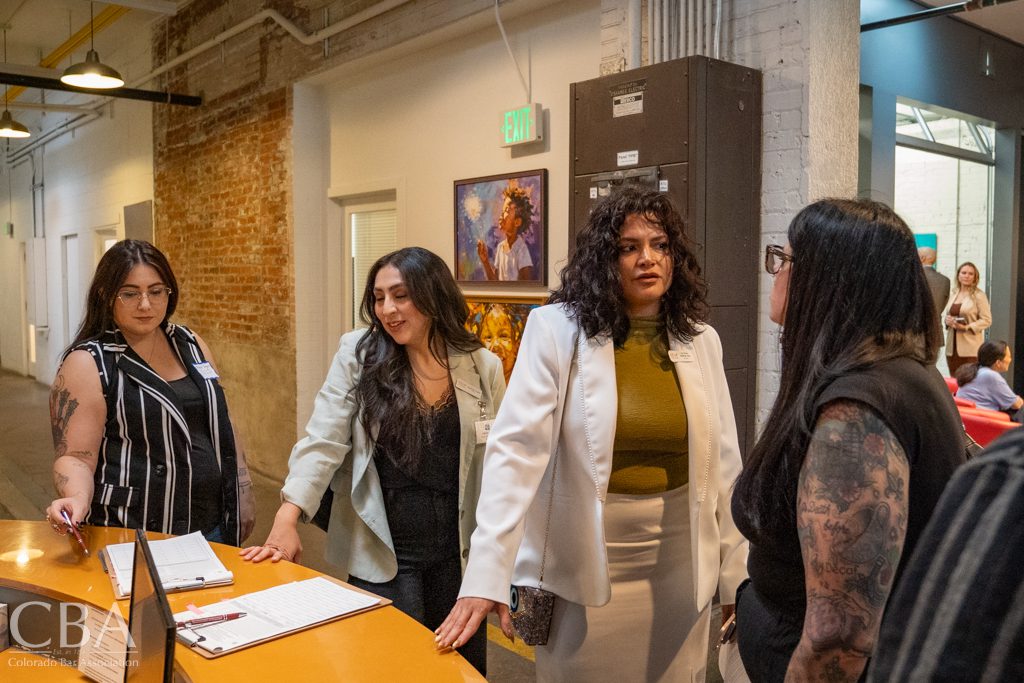
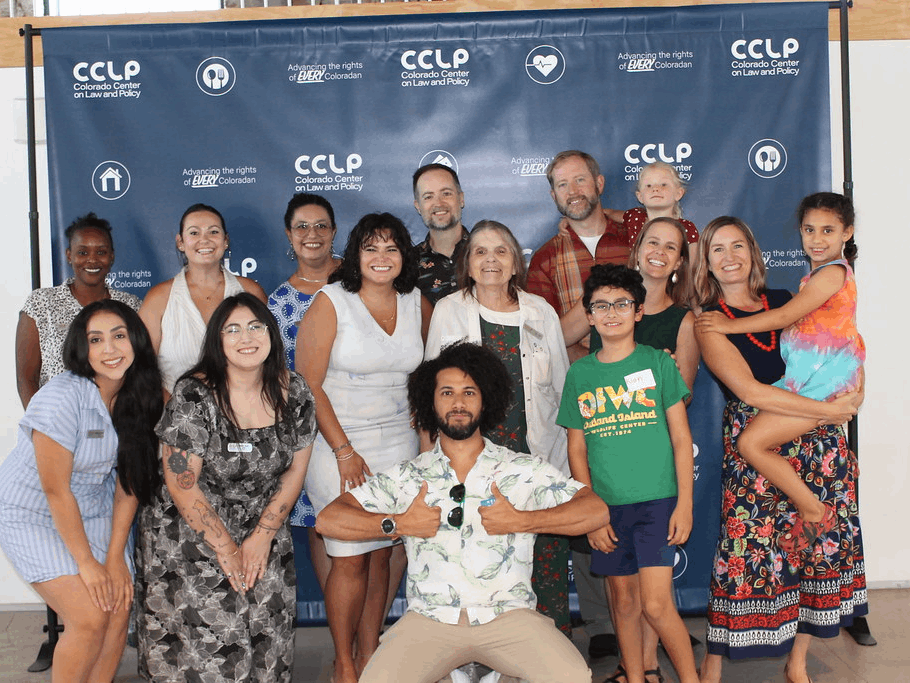
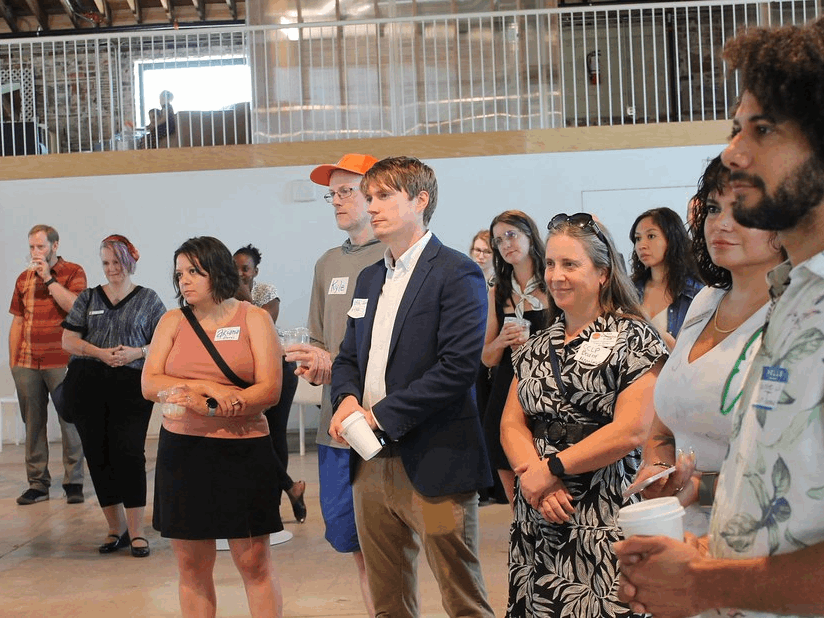
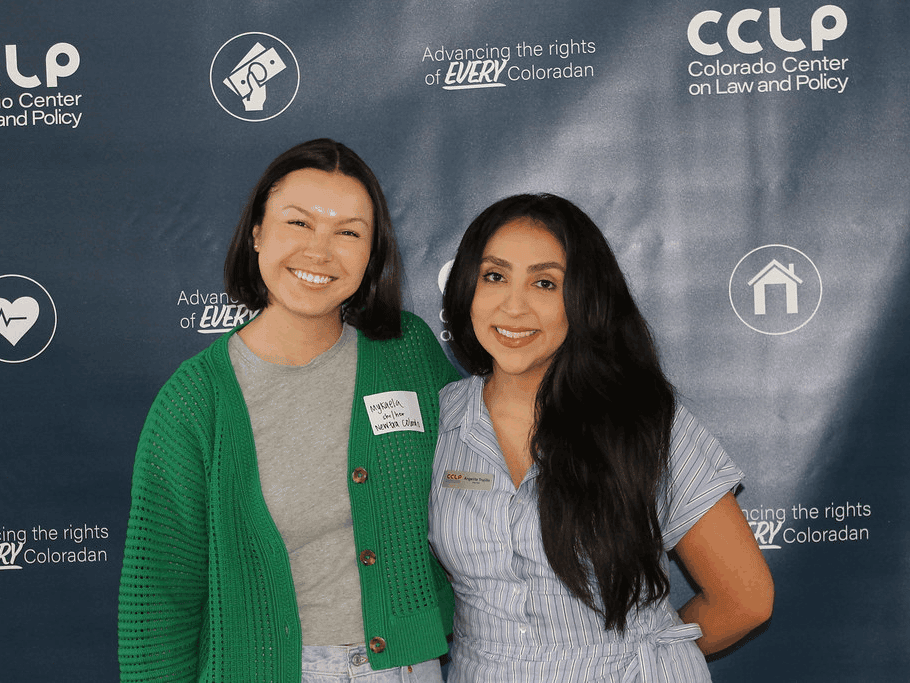
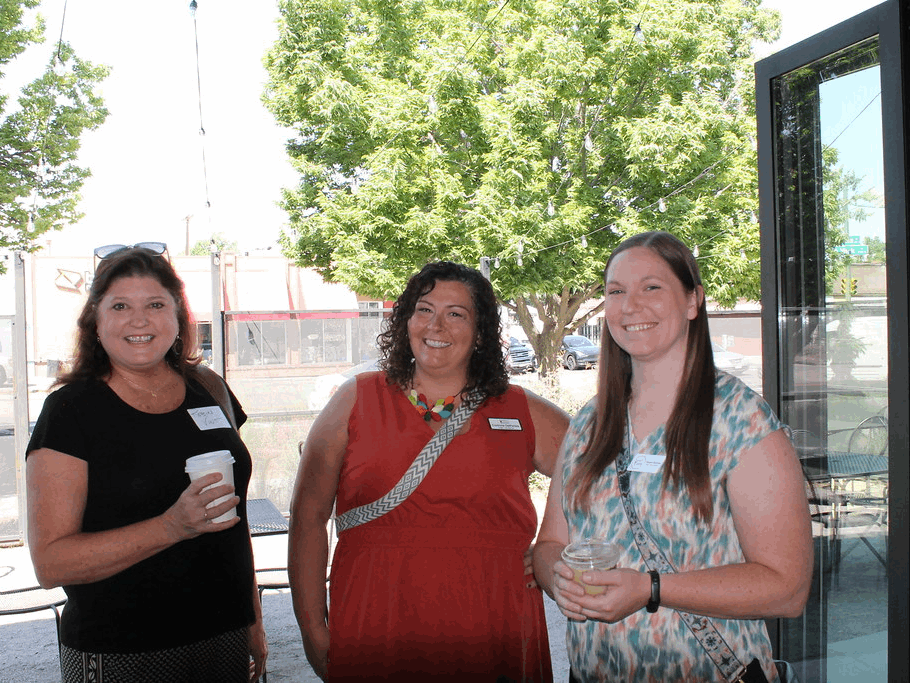
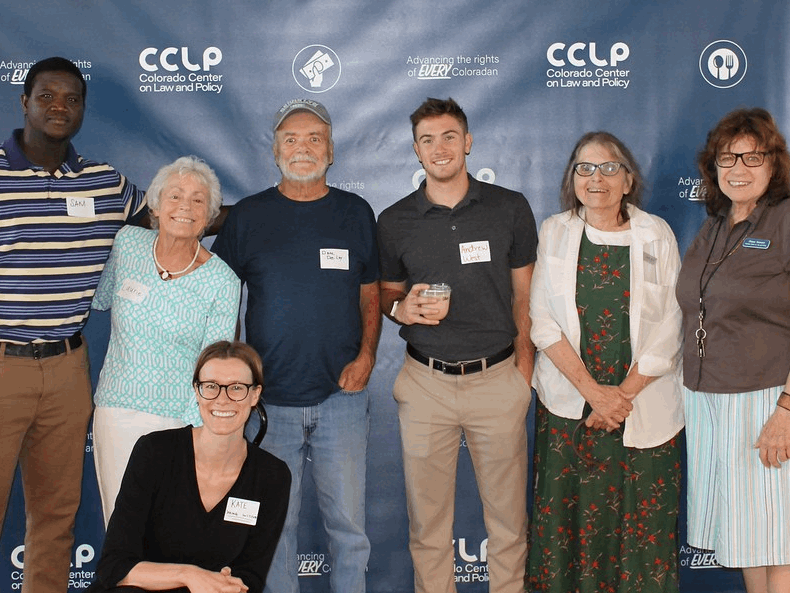
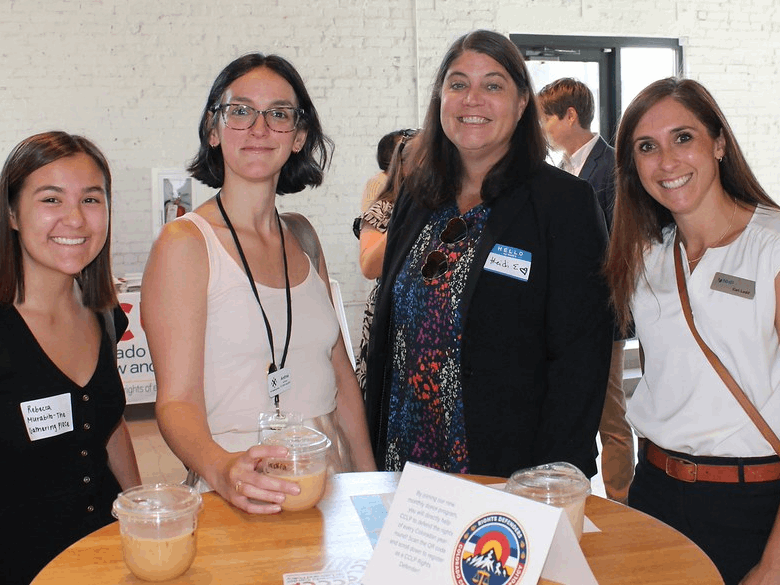
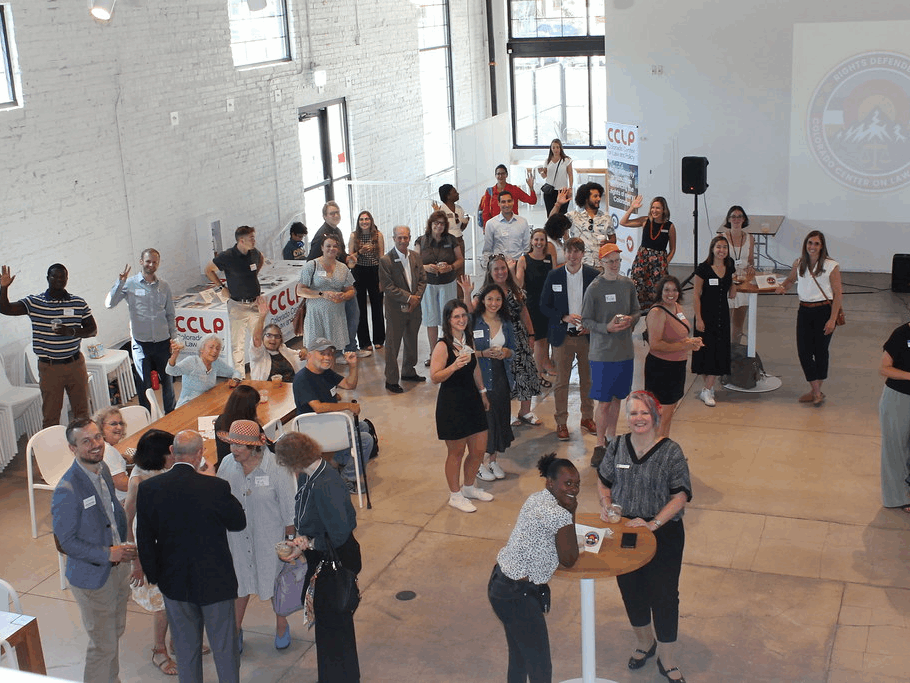
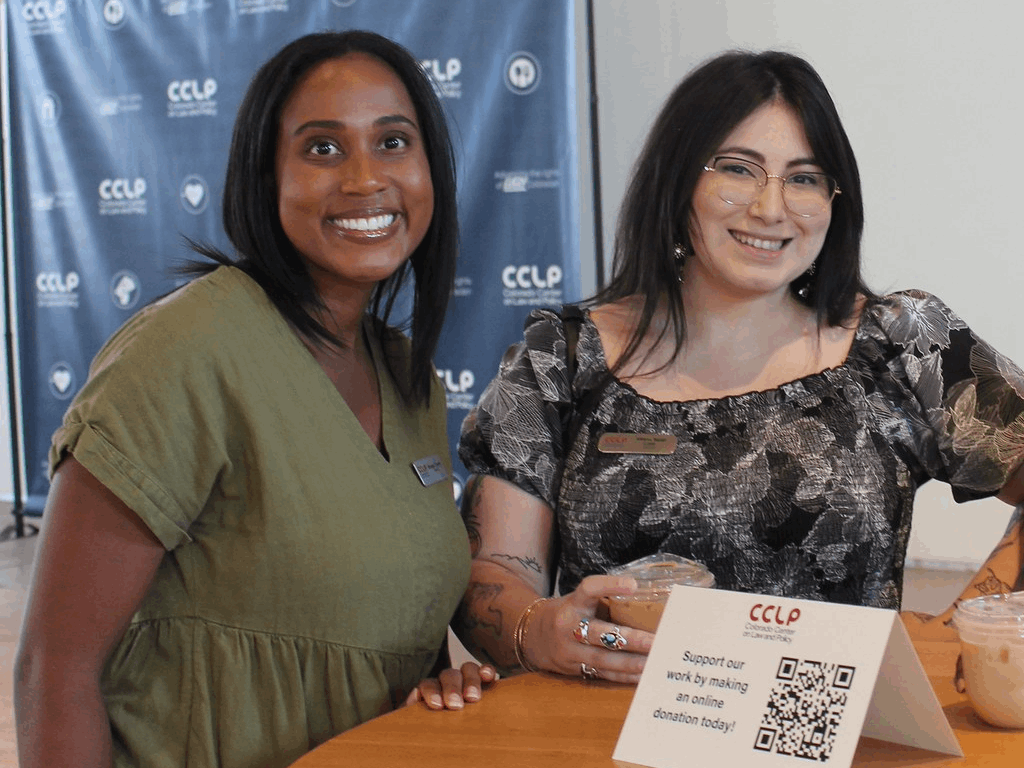
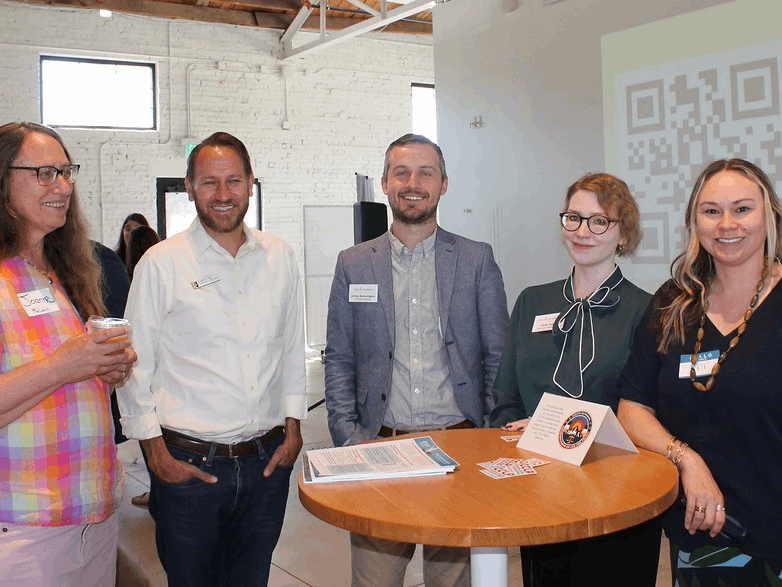
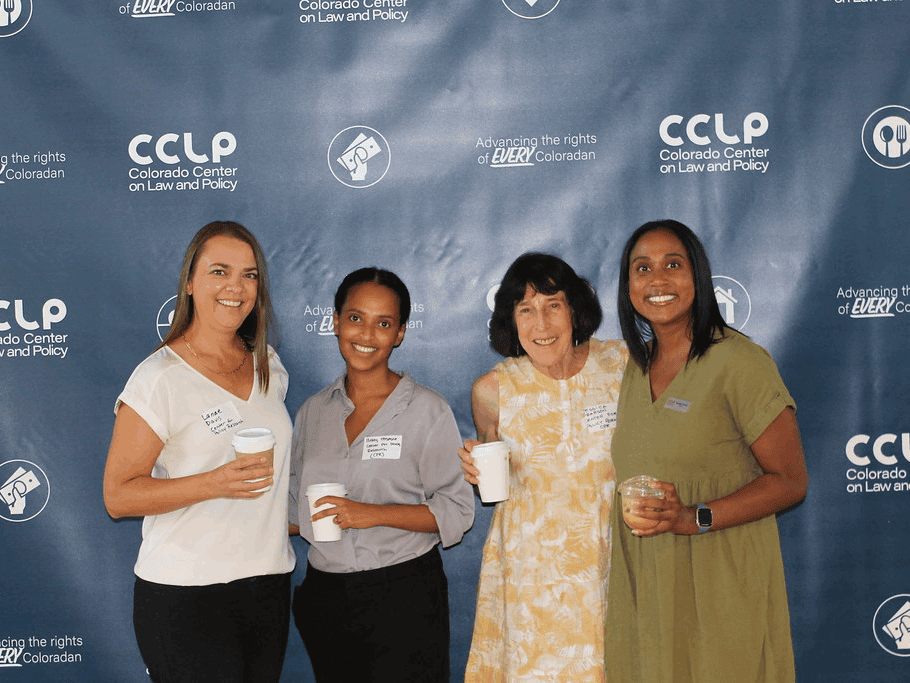
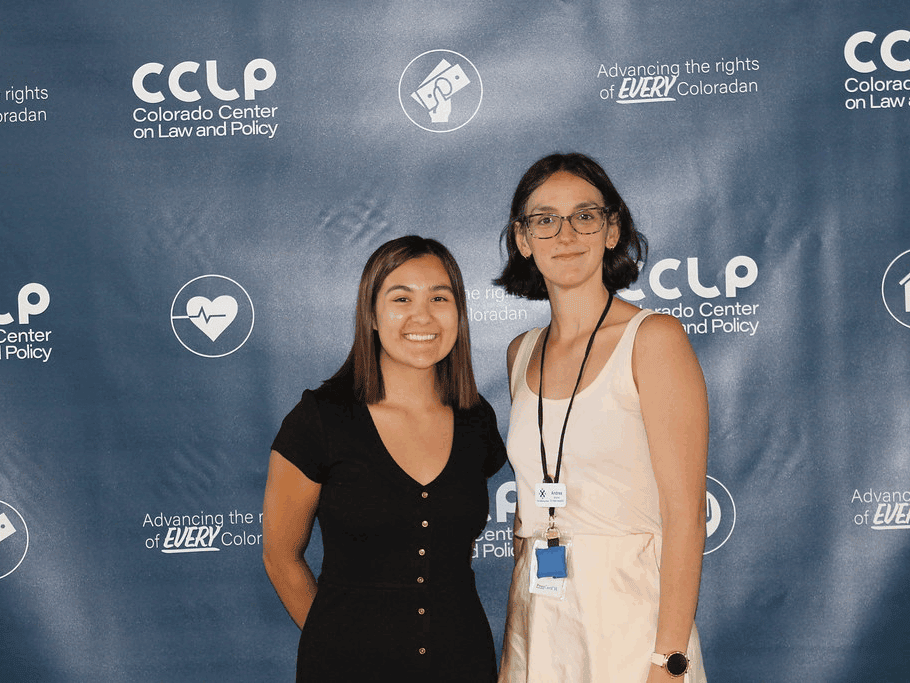
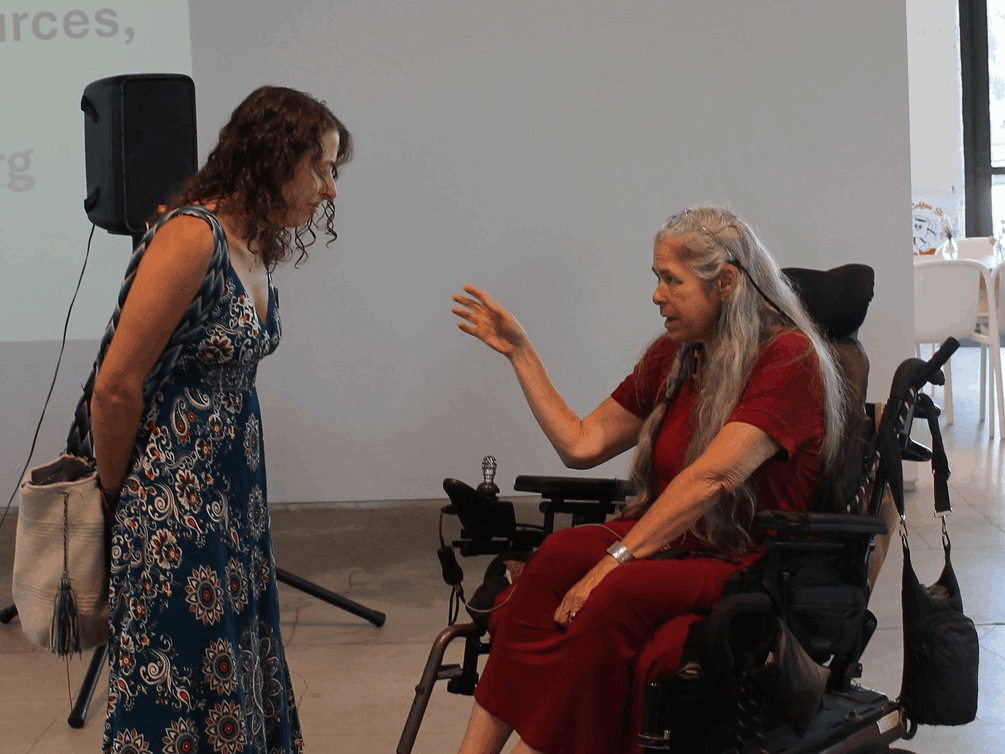
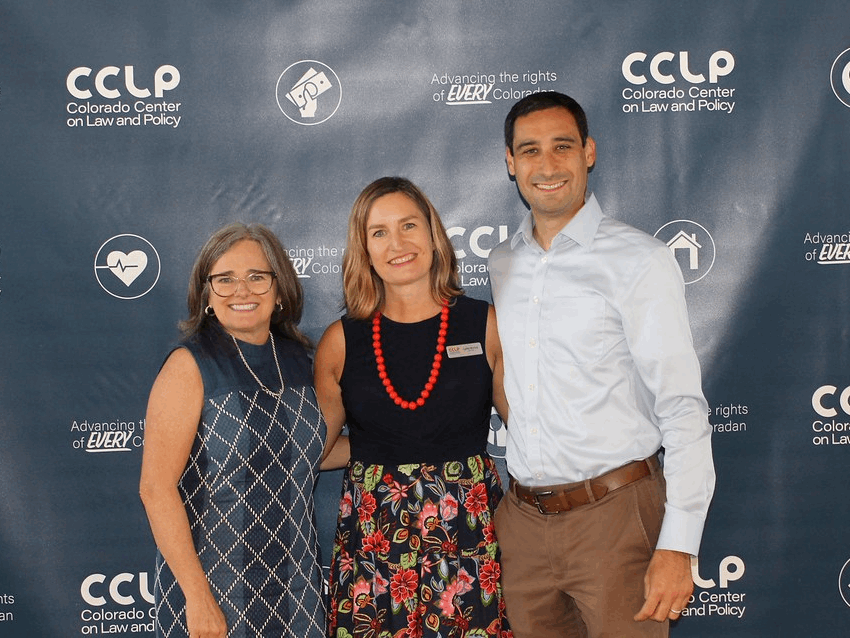
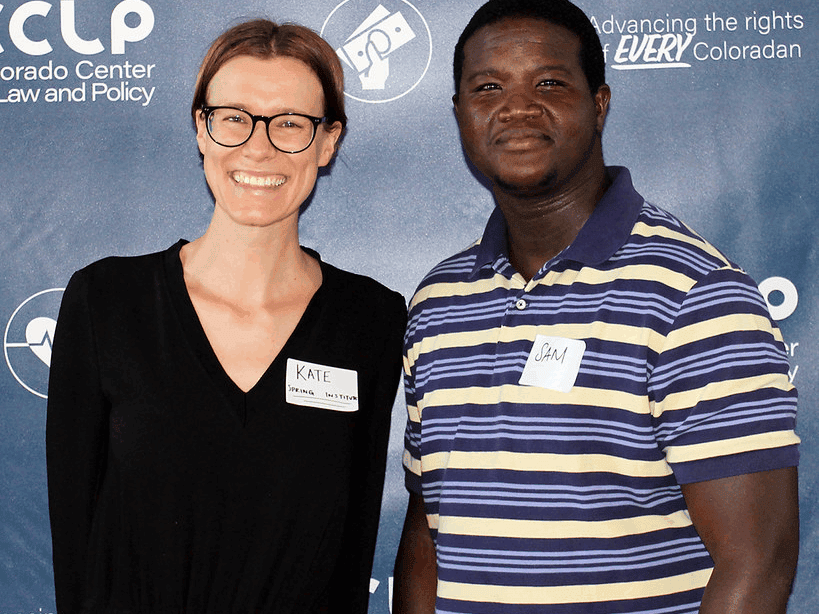
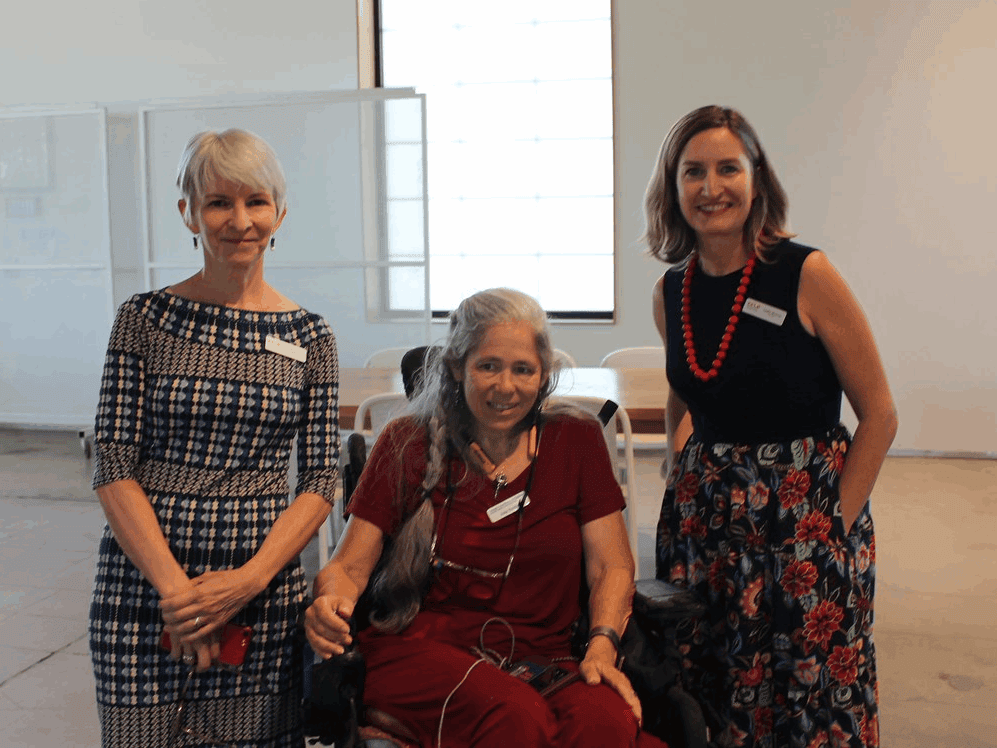
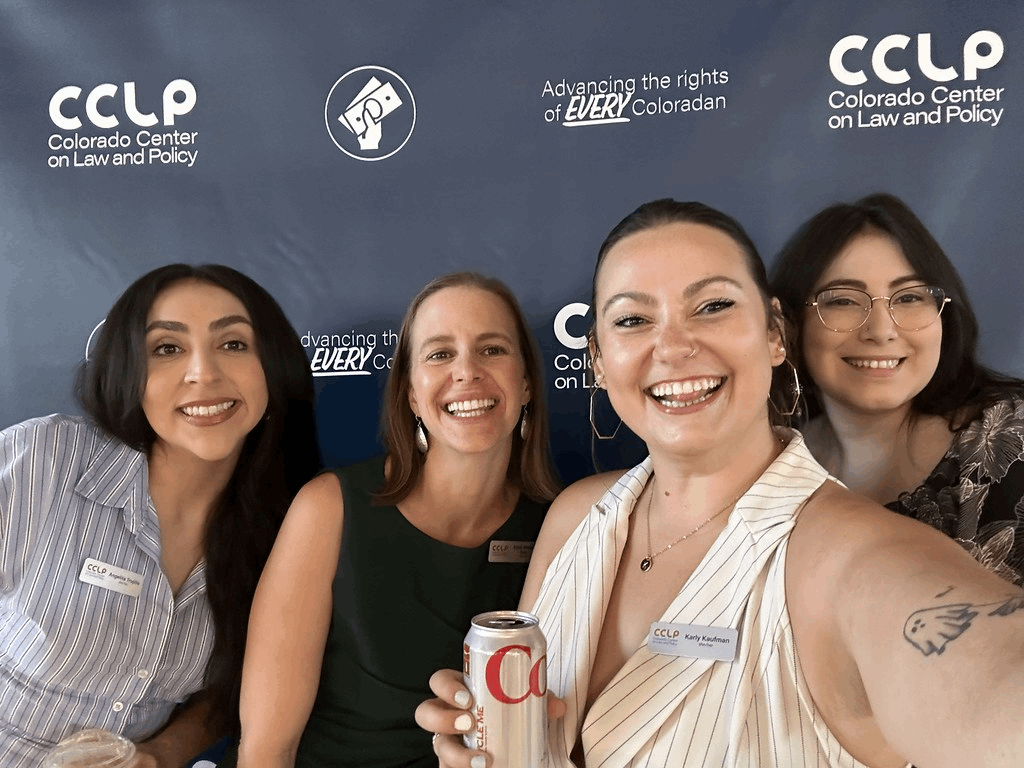
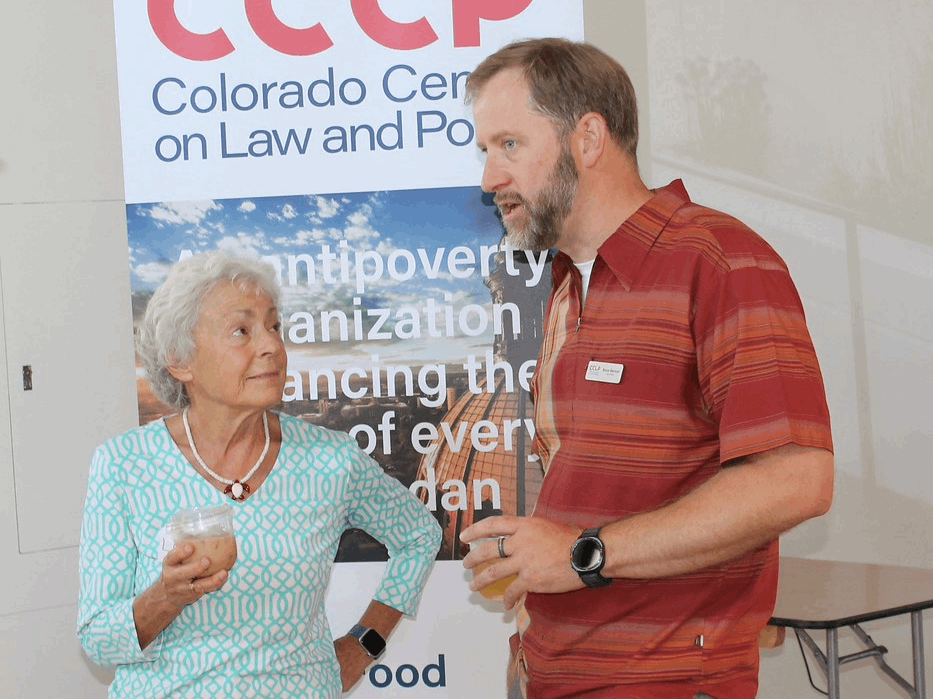
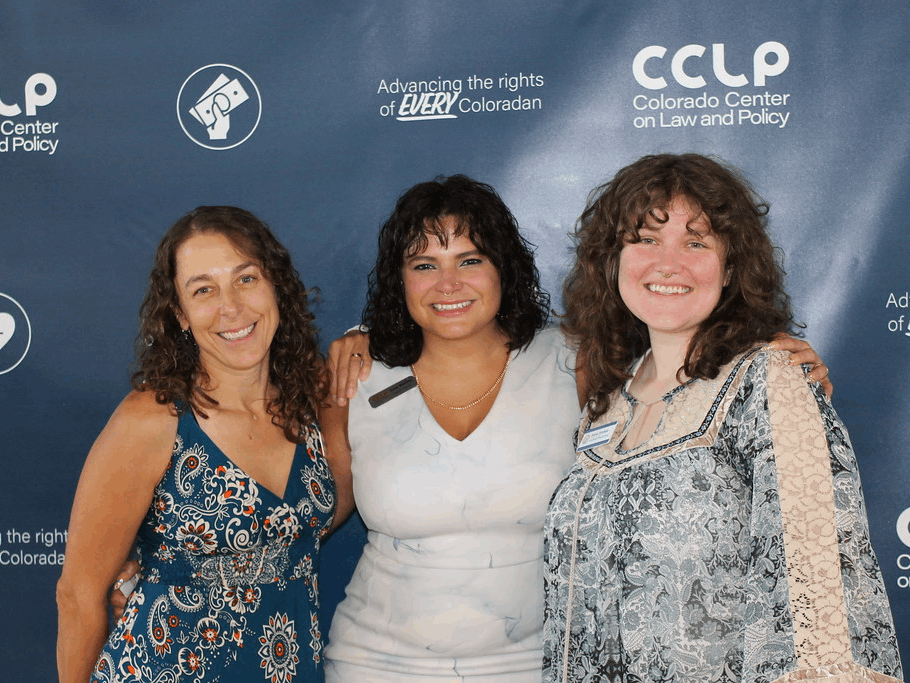
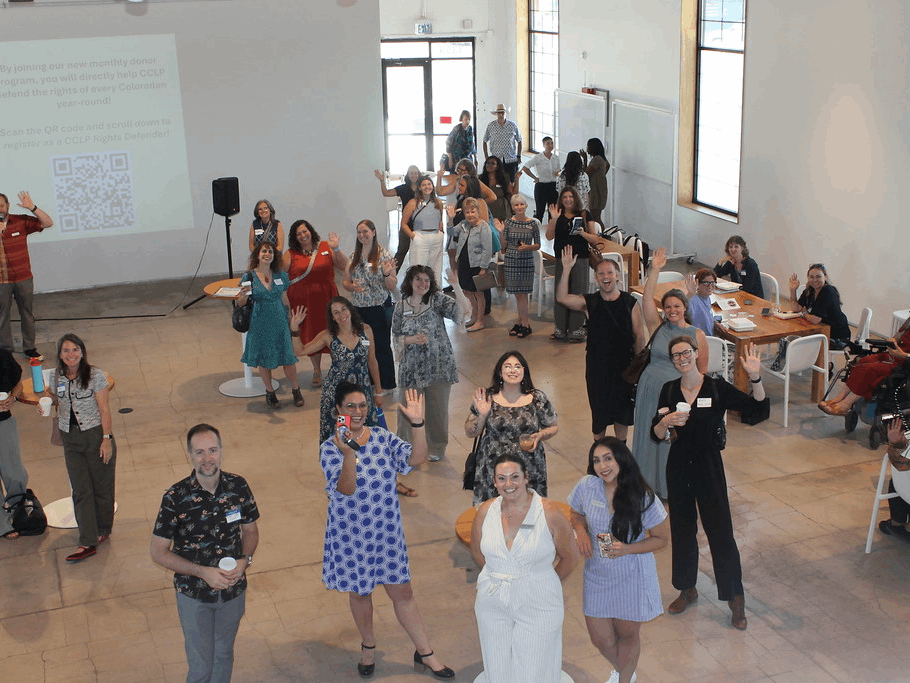
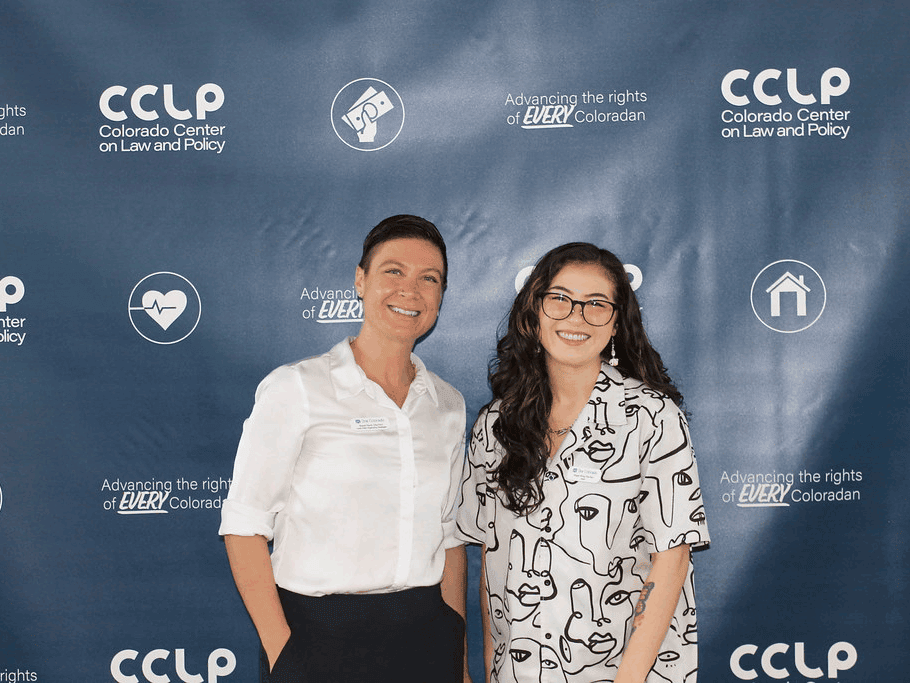
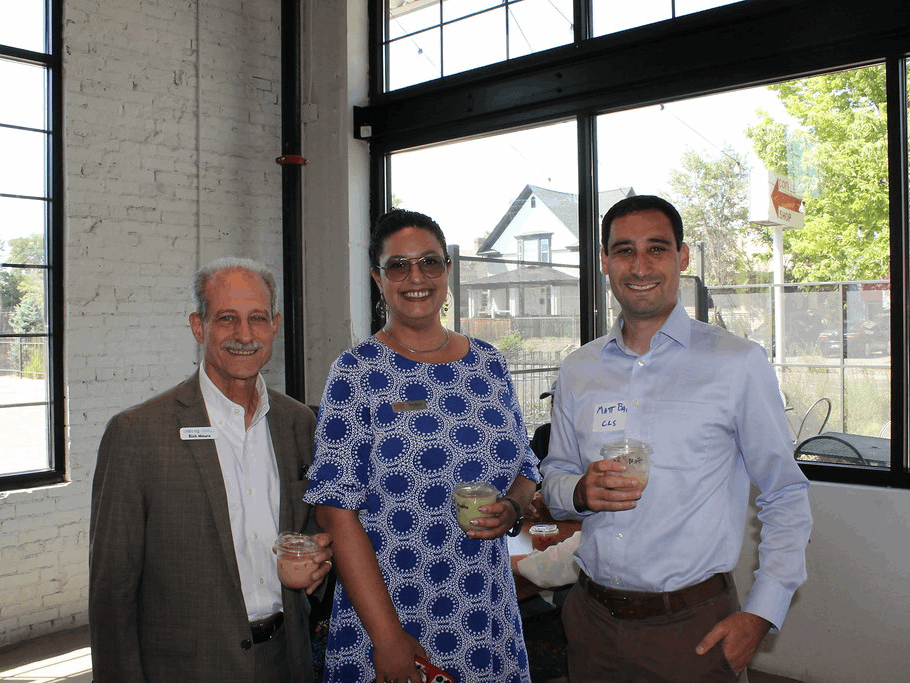
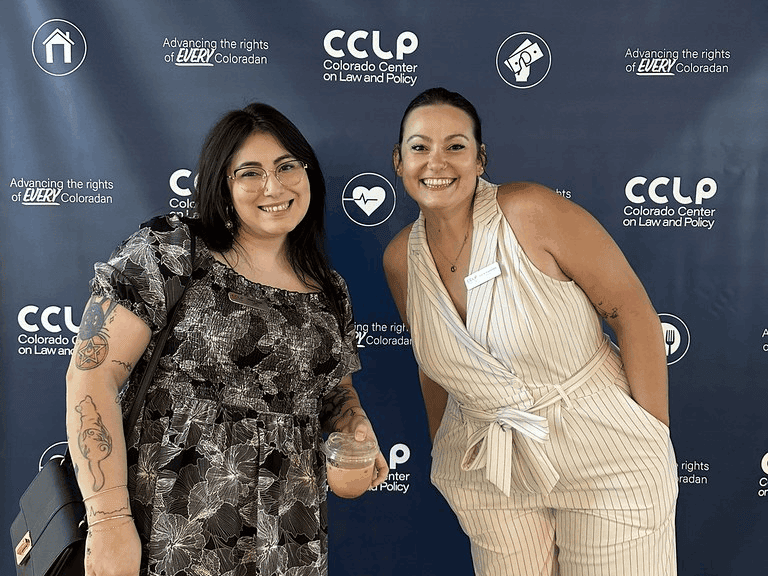
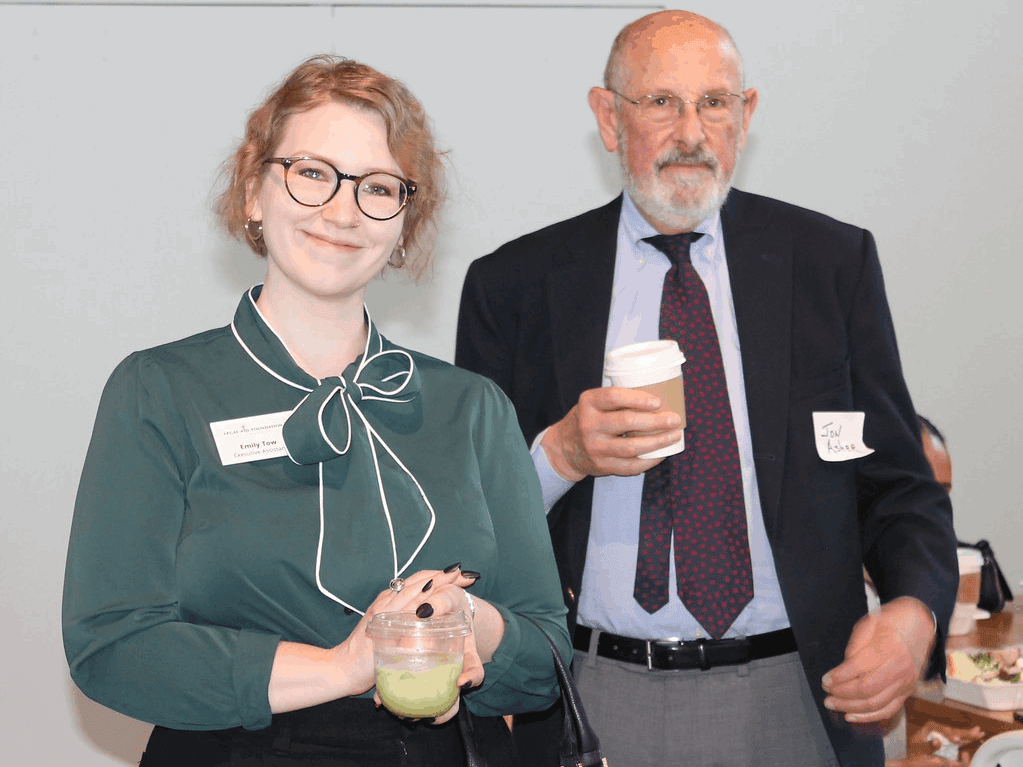
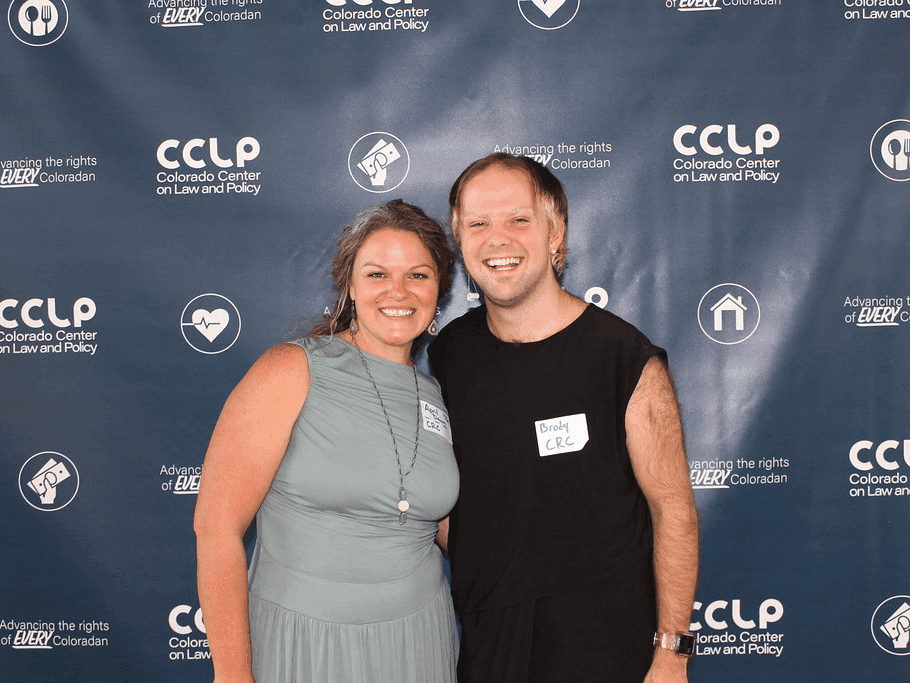
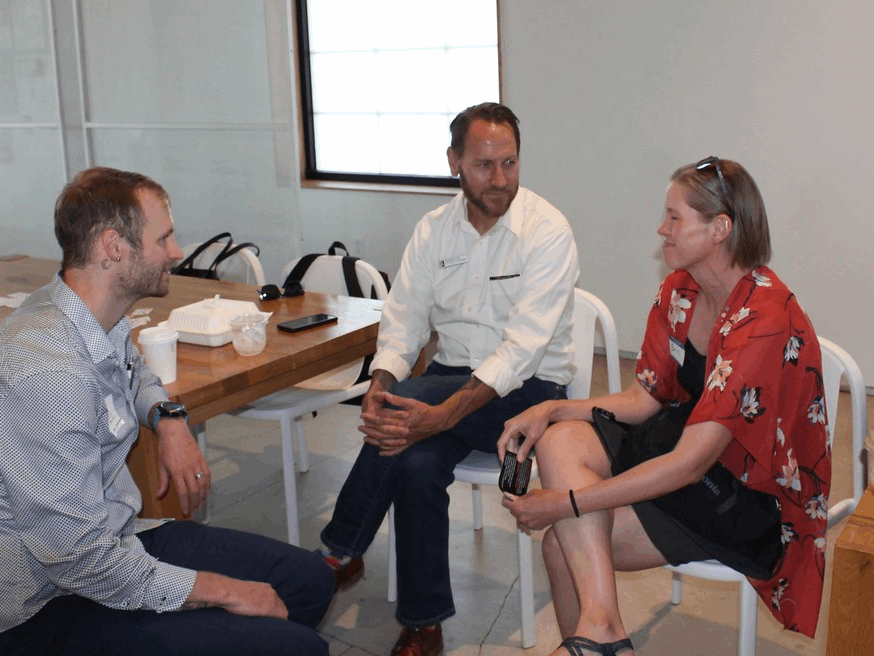
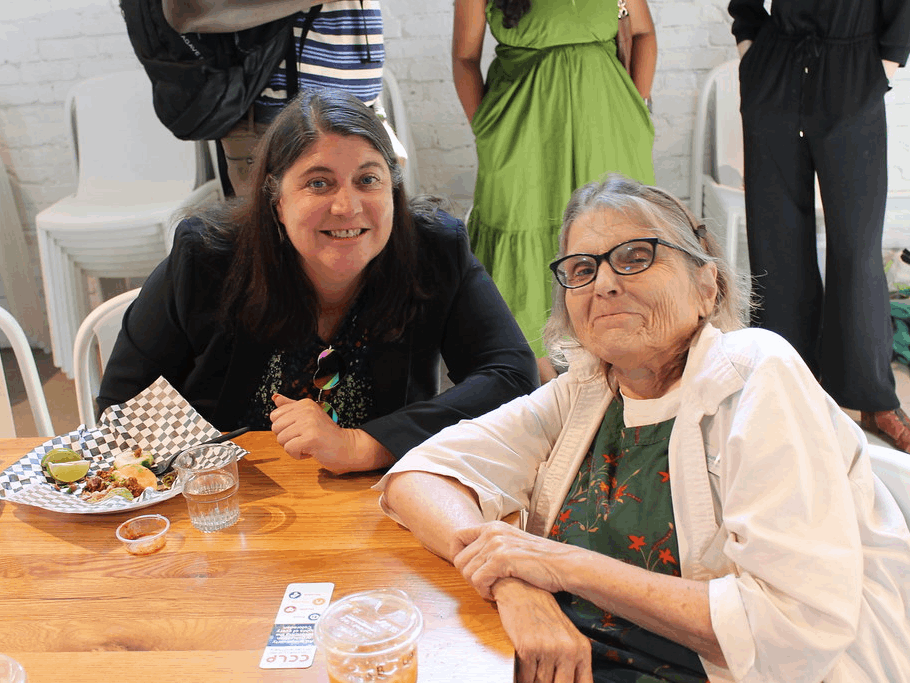
In 2025, we introduced our Partners in Progress event to celebrate the partnerships we’ve made over the years in the antipoverty community. We invited fellow antipoverty advocates, community leaders, and partners of CCLP to reinforce our connections and observe not only the accomplishments achieved but the shared vision of the future.
It was an afternoon of connection, reflection and appreciation for all involved. This event became a day to look forward to in turbulent times and has since been established as a CCLP tradition.










Colorado Center on Law and Policy
Statements of financial position 2024 & 2025
December 31 |
2024 |
2025 |
||
Assets (Values Pending) |
||||
Current assets: |
||||
| Cash and cash equivalents | $ | 985,435 | $ | 738,879 |
| Investments – bonds and CD | 582,014 | 294,091 | ||
| Grants and contributions receivable, current portion | 619,500 | 504,850 | ||
| Prepaids | 19,522 | 7,127 | ||
| Total current assets | 2,206,471 | 1,544,947 | ||
Long-term assets: |
||||
| Deposit | 7,850 | 7,850 | ||
| Grants and contributions receivable, net of current portion and discounts | 362,618 | 202,658 | ||
| Right of use assets – operating, net | 847,490 | 638,951 | ||
| Total other assets | 1,217,958 | 849,459 | ||
| Total assets | $ | 3,424,429 | $ | 2,394,406 |
Liabilities and net assets |
||||
Current liabilities: |
||||
| Accounts payable | $ | 66,912 | $ | 4,948 |
| Accrued expenses | 10,260 | 28,475 | ||
| Current portion of lease liability – operating | 149,477 | 136,966 | ||
| Total current liabilities | 266,649 | 170,389 | ||
Long-term liabilities: |
||||
| Lease liability – operating, net of current portion | 698,013 | 501,985 | ||
| Total long-term liabilities | 698,013 | 501,985 | ||
| Total liabilities | 924,662 | 672,374 | ||
Net assets: |
||||
| Without donor restriction | 1,358,267 | 673,031 | ||
| With donor restriction | 1,141,500 | 1,049,001 | ||
| Total net assets | 2,499,767 | 1,722,032 | ||
| Total liabilities and net assets | $ | 3,424,429 | $ | 2,394,406 |
Financial positions 2024 – 2025
Statements of financial activity, 2024 & 2025
For the year ended December 31, 2025 with summarized comparative totals for 2024 (restated)
Without
|
With donor restrictions |
2025
|
2024
|
|||||
Revenue and support: |
||||||||
| Grants and contributions | $ | 182,443 | $ | 1,213,532 | $ | 1,395,975 | $ | 2,988,384 |
| Special event income | 11,145 | – | 11,145 | 8,026 | ||||
| Lease income | 10,050 | – | 10,050 | 9,700 | ||||
| In-kind contributions | – | – | – | 3,000 | ||||
| Other income | 2,618 | – | 2,618 | 6,064 | ||||
| Released from restrictions | 1,306,031 | (1,306,031) | – | – | ||||
| Total revenue and support | 1,512,287 | (92,499) | 1,419,788 | 3,015,174 | ||||
Functional expenses: |
||||||||
| Program services | 1,773,793 | – | 1,773,793 | 2,206,407 | ||||
| Management and general | 358,102 | – | 358,102 | 141,276 | ||||
| Fundraising | 102,705 | – | 102,705 | 128,301 | ||||
| Total functional expenses | 2,234,600 | – | 2,234,600 | 2,475,984 | ||||
| Change in net assets from operating activities | (722,313) | (92,499) | (814,812) | 539,190 | ||||
Non-operating income (expense): |
||||||||
| Dividends and Interests | 37,077 | – | 37,077 | 16,642 | ||||
| Miscellaneous expense | – | – | – | (60) | ||||
| Change in net assets | (685,236) | (92,499) | (777,735) | 555,772 | ||||
| Net assets at beginning of year | 1,358,267 | 1,141,500 | 2,499,767 | 1,943,995 | ||||
| Net assets at end of year | $ | 673,031 | $ | 1,049,001 | $ | 1,722,032 | $ | 2,499,767 |
Philanthropic Partners 2024 & 2025
Foundations, partners and funds
Advocacy Denver
Aloha Foundation
Annie E. Casey Foundation
Big Bluestem Giving Fund
Buell Foundation
Caring for Colorado
Colorado Equity Compass
Clean Slate Initiative
Colorado Access
Colorado Bar Association
Colorado Children’s Campaign
Colorado Coalition for the Homeless
Colorado Consumer Health Initiative (CCHI)
Colorado Lawyer Trust Account Foundation (COLTAF)
Colorado Organization for Latina Opportunity and Reproductive Rights (COLOR)
Colorado Statewide Parent Coalition (CSPC)
Community Catalyst, Inc
Corona Insights
Colorado Equal Justice Authority
Gary Community Ventures
Michaels Energy
National Health Law Program
National Immigration Law Center
National Skills Coalition
Palace Construction CO. Inc
Paul M. Angell Family Foundation
PB and K Family Foundation
Rose Community Foundation
Spring Institute for Intercultural Learning
The Colorado Health Foundation
The Colorado Trust
The Jay & Rose Phillips Family Foundation
The Humphreys Foundation
The Virginia Hill Foundation
The Women’s Foundation of Colorado
CCLP Board of Directors
Chair
Lynn Borup

Vice Chair
Tom Brinegar
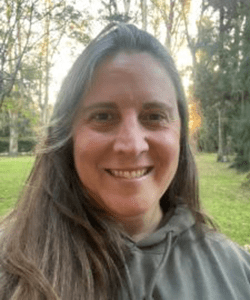
Secretary
Ana Fernandez Frank
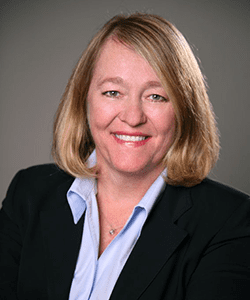
Treasurer
Carole Brite, CPA
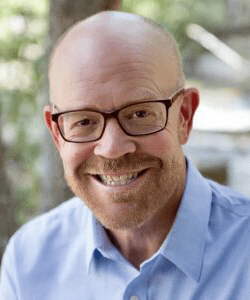
Member
Thomas Davidson
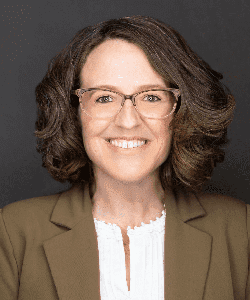
Member
Daneya Esgar
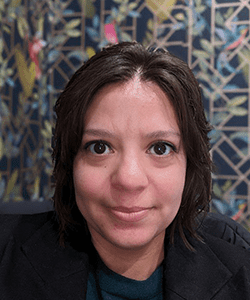
Member
Ariana Flores
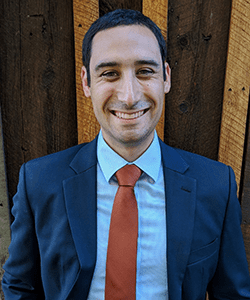
Member
Matt Baca
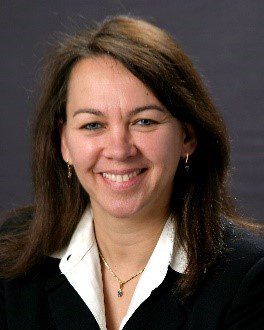
Member
Beatriz Bonnet
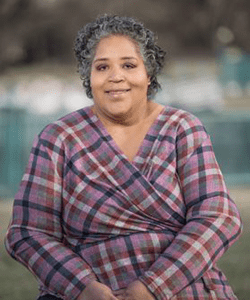
Member
Miriam Goetzke

Member
Jose L. Vasquez, Esq.

Member
John T. Lee

CCLP Rights Defenders, 2025
A select few individuals support CCLP as monthly donors. CCLP is forever appreciative to all of our donors, however a huge thanks must go to those who commit support to our work in these turbulent times.
Tom Brinegar
Don and Lynn Burnes
Ariana Flores
Elizabeth Freudenthal
Lydia McCoy
Lindsay Newman
Sharon O’Hara
Chaer Robert
“CCLP is one of the very best organizations in the entire metro area and across the nation. Therefore, I am very pleased to continue my support for this great organization.”
“As a fourth-generation Coloradan, I am incredibly proud to support their mission to make our state a better place to live, work, and raise a family.”
“Becoming a monthly donor was a natural step to continue supporting this unique and vital work. Your staff consists of well-informed, reasoned, and highly capable advocates.”
Individual donors, 2024 & 2025
CCLP would not be able to do the work we do without the generous support of our individual philanthropists.
Mykaela Aguilar
Kris Alexander
Therese (Teri) Appell
Deb Armbruster
Jonathan Asher
Jocelyn Ault
Karen Bartlett
Elizabeth Baskett
Frederick Baumann
David Becher
Caryn Becker
Robert Benson
Ronald Binz
Pamela Bisceglia
Todd Blakely
Beatriz Bonnet
Lynn Borup
Malcolm Boyce
Betty Ann Boyd
Charles Brennan
Steve Briggs
Debra Brown
David Bye
Kristin Campbell
Bruce A. Campbell
Robin Cann
Patty Carstens
Christiane Citron
Giles Clasen
Robert Connelly
Benjamin Cowan
Isabel Cruz
Frank A Daviess
Paul Day-Lucore
William DeGroot
Dave DeLay
Nicole DiPasquale
Heidi Eastman
Elizabeth Eller
Margaret Elmer
Charles Elmer
Jo English
Chrissy Esposito
Dalton Fackrell
Maureen Farrell-Stevenson
Ana Fernandez Frank
Lee Fisher-Rosenberg
James Foos
William Ford
Adam Fox
Lorena Garcia
Celeste Gardner
Walter Garnsey
Miriam Goetzke
Eliana Gomez
Peggy Gonder
Pamela E. Haglund
Catharine Harris
Laurie A Harvey
Paul Heberling
Nicholas Heimann
Sigrid H Higdon
Nicholas Hoch
Stephen Hoegee
Keith and Eryn Hoerig
Arlene Hoffman
Edwin and Cynthia Kahn
Catherine Kelsch
Enna Kladstrup
Maurice Knaizer
Alyssa Kopf
Ann Leonard
Claire Levy
Carolyn Love
Roger Low
Marjorie Pray
Margaretha Maloney
Adrienne Mansanares
Marcia Marshall
Richard Mauro
Alex McHenry
Fofi Mendez
Erin Miller
Teresa Monley
Norman Mueller
William D. Neighbors
Allison Neswood
Paul Neumann
Guy Padgett
Chester F Pauls
Jeffrey Pearson
Jessica Pearson
Julie Pecaut
Brittany Piercy
William David Pilkenton
Elaine Podell
Diana Poole & Steve Lass
Cassian Powell
Fredrick Powers
Judith Prakken
Julie Reiskin
Damian Rosenberg
Bob and Gill Rosenthal
Robin Rossenfeld
Andrew Rubin
Paula Schriefer
Lee Shainis
James Shaw
Laura Simpkins
Glenda Sinks
Jon Sirkis
David Skaggs
Kathleen Smith
Susan Stark
Dana Steiner
David Stevens
Helen R Stone
Marilyn Stranske
Alfonso Suazo II
Nadya Sustache
Rebecca Taylor
T.A. Taylor-Hunt
Kenneth L Tharp
Lisa Thompson
Dianne L Tramutola-Lawson
Monica VanBuskirk
Chris Vandall
Jose Vasquez
Larry Volmert
Sarah Welborn
Andrew West
Kathy White
Sarah Whitson
Amy Wiles
Oliver Willett
Mary Ann Wilner, PHD
Barbara Yondorf
Deyanira Zavala