CCLP volunteer Elzer McReynolds argues why tax flight is a harmful idea to states trying to enact higher taxes on the top 1% of earners.
Recent articles
CCLP reflections from Litigation and Advocacy Leaders Conference
Annie Martínez reflects on the Litigation and Advocacy Leaders Conference they attended with support from our CCLP Rights Defenders donors.
Economic policy and young adulthood in Colorado: A new report series from CCLP
CCLP’s newest report series focuses on economic policy and young adulthood in Colorado and the ways in which public benefits do and do not support their needs.
CCLP comments on Xcel Energy’s proposed rate increase
Milena Tayah provided comments to the Public Utilities Commission regarding Xcel Energy’s proposed rate increase on Colorado consumers’ energy bills.
Amendment 71 ‘raises the bar’ too high
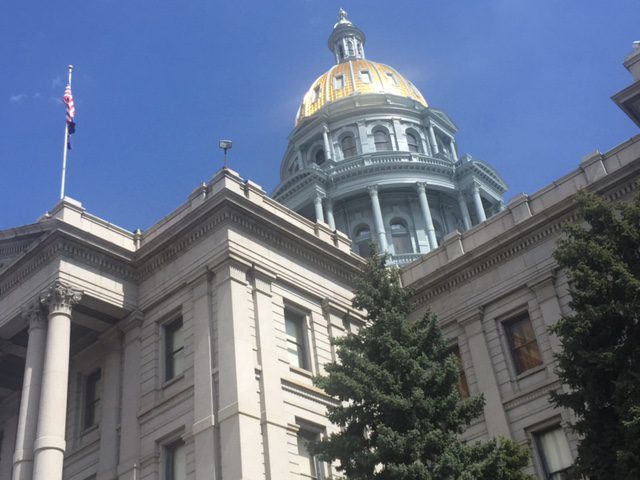
Policymakers and political observers have long complained that Colorado’s constitution is full of arcane and seemingly random amendments – a few of which have caused some serious fiscal problems for the state. The most vexing amendment of the sprawling document is the so-called Taxpayers Bill of Rights (or TABOR), which has forced perennial spending cuts on education, infrastructure and human service programs and thwarted efforts to inject more funding for affordable housing and health care.
As a result of Colorado’s relatively “low bar” in amending its constitution, Colorado voters typically decide multiple ballot initiatives during each election cycle – leading to a crowded ballot and a cluttered constitution. Indeed, Colorado’s constitution holds 150 amendments compared with only 27 approved amendments for the United States Constitution.
Yet, despite its flaws, we appreciate that the state constitution gives Coloradans an avenue for effecting change when state legislators do not or cannot act. That’s why the Colorado Center on Law and Policy joins others in the advocacy community in opposing Amendment 71, the ballot measure that purports to “raise the bar” by making it more difficult for Coloradans to amend the state’s constitution while severely compromising the ability of grassroots organizations to effectuate change in the state.
If approved by voters, Amendment 71 would require petitioners to gather signatures from at least 2 percent of the registered voters in all of Colorado’s 35 senate districts to place a constitutional initiative on the statewide ballot. It also requires a super-majority of 55 percent of the popular vote to pass a ballot initiative. Supporters of Amendment 71 claim the provisions would ensure that changes to the constitution have broad, statewide support.
However, by requiring petitioners to circulate petitions in remote corners of the state, Amendment 71 would make the costs of collecting the required signatures prohibitively expensive for many campaigns and allow just one Senate district to thwart an amendment that otherwise has broad support.
If Amendment 71 is passed, moneyed interests would hold the upper hand in the democratic process while grassroots efforts (such as the campaign to raise the state’s minimum wage) would face a significant burden getting their measures on the ballot.
Given the state’s limited ability to fund Medicaid and other services for low-income Coloradans at a level that’s even close to adequate, CCLP is concerned that the criteria outlined in Amendment 71 would make any changes to TABOR nearly impossible. It could further cement fiscal constraints that could hurt low-income families and limit our ability to improve the health and well-being of all Coloradans.
We encourage Coloradans to support full access to the ballot by voting “no” on Amendment 71.
-By Claire Levy
Recent articles
Guest Column: Tax Flight, The Harmful Persistence of an Unfounded Idea
CCLP volunteer Elzer McReynolds argues why tax flight is a harmful idea to states trying to enact higher taxes on the top 1% of earners.
CCLP reflections from Litigation and Advocacy Leaders Conference
Annie Martínez reflects on the Litigation and Advocacy Leaders Conference they attended with support from our CCLP Rights Defenders donors.
Economic policy and young adulthood in Colorado: A new report series from CCLP
CCLP’s newest report series focuses on economic policy and young adulthood in Colorado and the ways in which public benefits do and do not support their needs.
CCLP comments on Xcel Energy’s proposed rate increase
Milena Tayah provided comments to the Public Utilities Commission regarding Xcel Energy’s proposed rate increase on Colorado consumers’ energy bills.