Milena Tayah provided testimony in support of HB26-1143, which addresses the background check barrier for educational opportunities. It would require that an ITIN be allowed in lieu of a SSN when required for these background checks.
With expertise in equitable development, educational outreach, and group facilitation, Morgan Turner serves as CCLP's Community Engagement Director. She previously served as Program Manager for Mile High Connects.
Recent articles
CCLP testifies in opposition of Earned-Wage Access Services
Chris Nelson testified in opposition to House Bill 26-1046, Regulated Earned-Wage Access Services, a bill offering inadequate regulation of EWA providers, putting vulnerable Coloradans at risk of ongoing financial exploitation.
CCLP provides comments on the PUC’s proposed new rules
Milena Tayah provided comments on the Public Utilities Commission’s proposed new rules for how it evaluates the effects of its planning, rates and programs on different communities.
CCLP testifies against Direct Primary Care cost-shift onto Medicaid patients
Bethany Pray testified in opposition to House Bill 26-1096, which would allow Direct Primary Care providers to charge Medicaid patients hundreds of dollars for services that are otherwise free.
CCLP testifies against HOAs requiring “proof of need” for language access
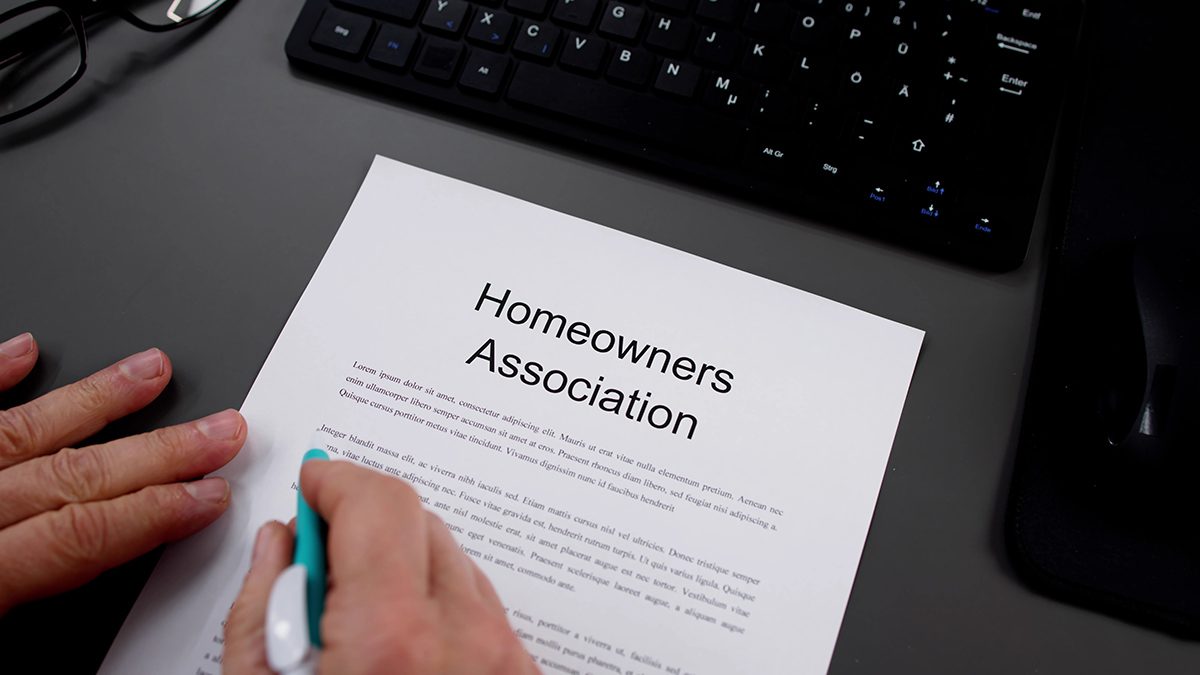
On Wednesday, February 25, 2026, Morgan Turner, Community Engagement Director for CCLP, provided testimony against House Bill 26-1201, Homeowners’ Preferred Language Notice to Homeowners’ Association. This bill would require owner’s to provide “proof of need” prior to Homeowners Associations providing correspondence and notices in a language other than English. It would have been a step back for language access, but thankfully was postponed indefinitely.
Madam Chair and members of the committee,
My name is Morgan Turner, and I serve as the Director of Community Engagement at Colorado Center on Law and Policy, an antipoverty organization advancing the rights of every Coloradan. I am also a member of the Colorado Language Access Coalition.
I am here to testify in opposition of HB26-1201, which would allow Homeowners Associations to require homeowners to “demonstrate need” for correspondence and notices in a language other than English before providing information in the homeowner’s preferred language. Such demonstrations of need include government issued documents, school or immigration program documents, or letters from interpreters. Language access should not require documentation or proof.
It is important to consider that many homeowners may not have such documents readily available or may feel uncomfortable sharing personal records with an HOA board comprised by their neighbors. Additionally, some residents may be multilingual but still need complex documents in a different language to fully understand their rights and responsibilities.
On the surface, HOA governance may involve low-stakes issues like landscaping or exterior paint colors. But at the higher end of their authority, HOAs can issue violations, impose fines, place liens, and even initiate foreclosure proceedings. When the stakes are that high, it is critical that such information be available in a homeowner’s preferred language.
Communication already serves as a great challenge in HOA governance. Based on the 2024 Colorado HOA Annual Report, communication problems are the most frequent category of complaint received by the HOA Information and Resource Center[1]. Requiring homeowners to demonstrate need before receiving documents in a language other than English creates an extra hurdle and barrier and may lead to increases in complaints related to communication.
According to the Migration Policy Institute, more than 300,000 Coloradans are limited English proficient[2]. Language access should not be a one-off or rare accommodation. Homeowners whose preferred language is not English deserve the same access to critical information about their homes as those who speak English.
Over the past years, the Colorado General Assembly has made meaningful progress in advancing language access across the state and in our communities. Those efforts emphasize the importance of clear and accessible language for all Coloradans, regardless of what language they speak. This bill moves in the opposite direction. It places the burden on homeowners to justify their language needs and signals distrust instead of promoting clarity and transparency.
I urge you to vote no on HB26-1201. Thank you for consideration.
**********
[1] https://dre.colorado.gov/sites/dre/files/documents/2025-03-10%202024%20HOA%20Annual%20Report.pdf
[2] https://www.migrationpolicy.org/sites/default/files/publications/mpi-nciip_colorado-language-access-2024_final.pdf
Recent articles
CCLP testifies in support of ITINs for non-educational opportunities
Milena Tayah provided testimony in support of HB26-1143, which addresses the background check barrier for educational opportunities. It would require that an ITIN be allowed in lieu of a SSN when required for these background checks.
CCLP testifies in opposition of Earned-Wage Access Services
Chris Nelson testified in opposition to House Bill 26-1046, Regulated Earned-Wage Access Services, a bill offering inadequate regulation of EWA providers, putting vulnerable Coloradans at risk of ongoing financial exploitation.
CCLP provides comments on the PUC’s proposed new rules
Milena Tayah provided comments on the Public Utilities Commission’s proposed new rules for how it evaluates the effects of its planning, rates and programs on different communities.
CCLP testifies against Direct Primary Care cost-shift onto Medicaid patients
Bethany Pray testified in opposition to House Bill 26-1096, which would allow Direct Primary Care providers to charge Medicaid patients hundreds of dollars for services that are otherwise free.