Morgan Turner provided testimony against HB26-1201 which would require owner's to provide "proof of need" prior to HOAs providing correspondence and notices in a language other than English.
Chris Nelson serves as a Research & Policy Analyst for CCLP. Staff page ›
Recent articles
CCLP testifies in support of ITINs for non-educational opportunities
Milena Tayah provided testimony in support of HB26-1143, which addresses the background check barrier for educational opportunities. It would require that an ITIN be allowed in lieu of a SSN when required for these background checks.
CCLP testifies in opposition of Earned-Wage Access Services
Chris Nelson testified in opposition to House Bill 26-1046, Regulated Earned-Wage Access Services, a bill offering inadequate regulation of EWA providers, putting vulnerable Coloradans at risk of ongoing financial exploitation.
CCLP provides comments on the PUC’s proposed new rules
Milena Tayah provided comments on the Public Utilities Commission’s proposed new rules for how it evaluates the effects of its planning, rates and programs on different communities.
CCLP testifies in support of worker protections
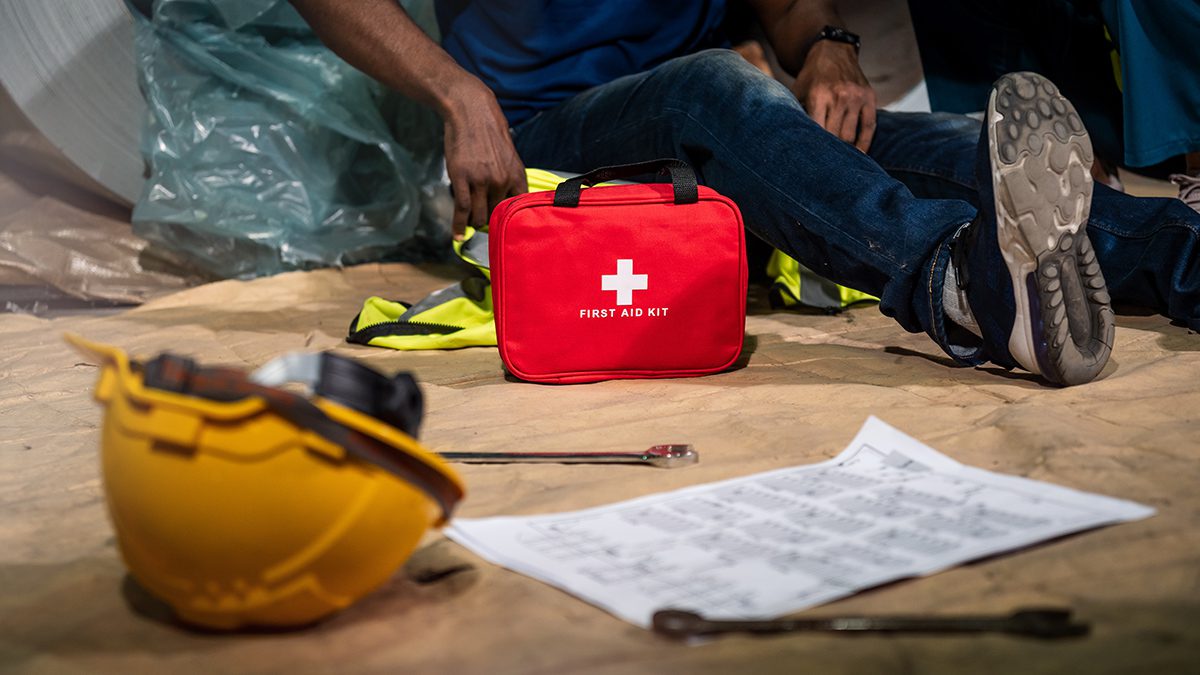
On Thursday, February 26, 2026, Chris Nelson, Research & Policy Analyst at CCLP, provided testimony to the House Business Affairs & Labor Committee in strong support of House Bill 26-1054, Protections for Worker Safety. The bill would allow Colorado to step in to address declining workplace safety standards due to federal rollbacks and decline in enforcement, and allows for individual workers and labor unions to enforce their rights through private right of action.
My name is Chris Nelson, and I serve as the Research & Policy Analyst for Colorado Center on Law and Policy, an antipoverty organization advancing the rights of every Coloradan. I’m speaking today in strong support of HB26-1054.
This bill represents crucial state action in response to recent federal rollbacks of long-standing worker protections. These rollbacks are worsened by ongoing under-funding of public enforcement agencies and the significant decline in federal enforcement of workplace health and safety regulations during the second Trump Administration. At its core, HB26-1054 preserves and enforces fundamental workplace safety standards, including the principle that employers must maintain workplaces free from recognized hazards. Colorado workers should not lose the protections they have relied on for decades, and this bill ensures that our state can step in to maintain those standards, keeping our workers safe.
In 2024, Colorado had an estimated 63,700 nonfatal workplace injuries and 92 fatal workplace injuries, according to data from the Survey of Occupational Injuries and Illnesses by the Bureau of Labor Statistics and the Colorado Department of Public Health and Environment. Although the actual number of injuries is likely higher.
Failing to take action in the face of recent federal rollbacks risks increasing these injury numbers. Every workplace injury represents not just a statistic, but a worker suffering preventable harm, a worker whose life is fundamentally changed, or a family thrown into crisis.
CCLP has a particular interest in this issue because workers in lower-wage jobs are often the most vulnerable to workplace injuries. When injuries occur, these workers face a series of challenges: lost wages, rising medical bills, and the possibility of permanent disability. For families already struggling, this can lead to eviction, food insecurity, and a descent into deeper poverty. Having strong regulations in place prevents injuries that push vulnerable workers and their families over the economic edge, protecting both their physical well-being and their financial stability.
Strong enforcement of workplace safety protections is equally important. HB26-1054 creates a meaningful private right of action, allowing labor organizations and individual workers to file civil actions when their rights are violated. This is crucial because state agencies have limited resources and cannot investigate every complaint. By empowering workers and their unions to bring these cases forward, we ensure that dangerous conditions get addressed. Workers know their workplaces best. They see when corners are being cut and hazards are being ignored. Giving them legal standing to address violations creates real accountability and ensures that employers who endanger workers face consequences.
We urge a yes vote on HB26-1054, with its current strong enforcement language intact, to protect Colorado workers. Thank you.
Recent articles
CCLP testifies against HOAs requiring “proof of need” for language access
Morgan Turner provided testimony against HB26-1201 which would require owner's to provide "proof of need" prior to HOAs providing correspondence and notices in a language other than English.
CCLP testifies in support of ITINs for non-educational opportunities
Milena Tayah provided testimony in support of HB26-1143, which addresses the background check barrier for educational opportunities. It would require that an ITIN be allowed in lieu of a SSN when required for these background checks.
CCLP testifies in opposition of Earned-Wage Access Services
Chris Nelson testified in opposition to House Bill 26-1046, Regulated Earned-Wage Access Services, a bill offering inadequate regulation of EWA providers, putting vulnerable Coloradans at risk of ongoing financial exploitation.
CCLP provides comments on the PUC’s proposed new rules
Milena Tayah provided comments on the Public Utilities Commission’s proposed new rules for how it evaluates the effects of its planning, rates and programs on different communities.