
Recent articles
CCLP co-publishes case study with Community Catalyst
Making cents of the headlines, part 2: What causes inflation?
CCLP selected as WINcome grantee by The Women’s Foundation of Colorado
Making cents of the headlines, part 1: How do we measure inflation?
Recent posts
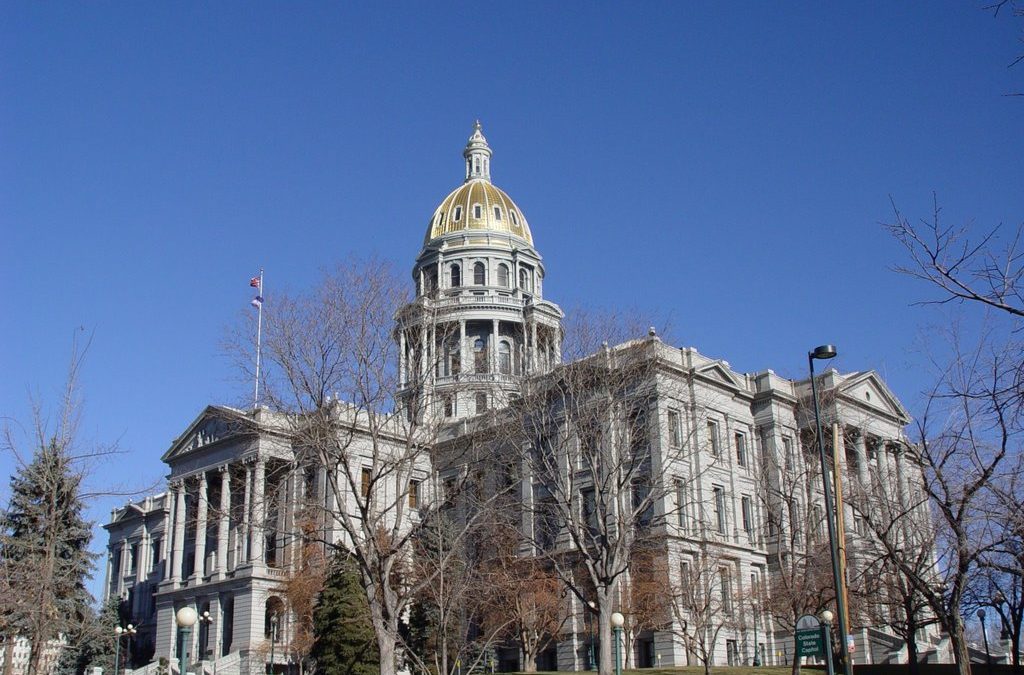
Legislative & Policy Preview 2017: Family Economic Security
During this year’s legislative session, CCLP’s Family Economic Security program will focus on expanding job opportunities and training for all Coloradans, renewing the Colorado Child Tax Credit for low-income workers, encouraging the...
MHC Steering Committee Seeking New Core Nonprofit Partners
What Are We Looking For in New Partners? As we prepare to embark upon development of a new four-year strategic plan, Mile High Connects is opening up this call for partners and is looking to invite two to three nonprofit organizations to...

Daring to imagine a poverty-free Colorado
Imagine if every Coloradan, regardless of race, ethnicity or where they live, had the resources to afford housing, food, clothing, health care and other essentials -- while building financial security for the future. Imagine if quality,...
Equity, Race & Place
In 2016, I had the opportunity to visit four different cities throughout the U.S. as a fellow for the The Funders' Network PLACES Fellowship. I was fortunate to join a diverse cohort of social justice and philanthropic practitioners from...
News Release: Colorado Health Policy Coalition urges Congress to develop a comprehensive health care framework
GOP healthcare plan: what it would mean for Colorado On March 6, 2017, House Republicans’ unveiled a healthcare proposal, the “American Health Care Act,” that would radically reduce the ability of middle- and lower-income Coloradans to...

Don’t repeal health coverage without replacing it
The November election has thrown open the door to changes to health care coverage, both in the private market and in Medicaid. In the last four years, millions of Americans have been able to obtain health coverage for the first time, but...
News Release: State of Working Colorado Report reveals surprising wage and employment gaps in Colorado
FOR IMMEDIATE RELEASE PDF version available here. MEDIA CONTACT: Bob Mook bmook@copolicy.org, 303-573-5669, ext. 311 Report reveals surprising wage and employment gaps in Colorado DENVER—First the good news: Colorado is doing fairly well...
Moving Forward
On November 9th, I awoke and did not want to get out of bed. To be honest, with several weeks passing, I am only now beginning to be able to process the news without a feeling of deep depression. I am trying to sort out my own...

Proposed changes to Medicaid would hurt Coloradans
Incoming White House and congressional leaders are reportedly planning to make deep cuts in federal funding for the Medicaid program which provides health care coverage for individuals and families with limited resources. The first round...

Call to Action: Protect Our Coverage
In just two weeks, Congress will discuss cutting billions of dollars from Medicaid funding and programs that make health care coverage more affordable for hundreds of thousands of Coloradans. Now is the time to tell Colorado Gov. John...