Charles Brennan provided testimony in support of HB26-1012, which would have required sellers to provide consumers with the prices of the delivered goods and the goods available at the store for price transparency and fairness. It also would have prohibited unfair or deceptive trade practices by charging unreasonably excessive prices for goods and services.
An expert in policy advocacy and coalition building, CCLP Emeritus Advisor Chaer Robert has dedicated her career to helping people meet their basic needs and expanding economic opportunity. Staff page ›
Recent articles
CCLP testifies in support of worker protections
Chris Nelson provided testimony in strong support of House Bill 26-1054, which would allow Colorado to step in to address declining workplace safety standards due to federal rollbacks and decline in enforcement, and allows for individual workers and labor unions to enforce their rights through private right of action.
CCLP testifies against HOAs requiring “proof of need” for language access
Morgan Turner provided testimony against HB26-1201 which would require owner's to provide "proof of need" prior to HOAs providing correspondence and notices in a language other than English.
CCLP testifies in support of ITINs for non-educational opportunities
Milena Tayah provided testimony in support of HB26-1143, which addresses the background check barrier for educational opportunities. It would require that an ITIN be allowed in lieu of a SSN when required for these background checks.
CCLP testifies in support of the ID bill
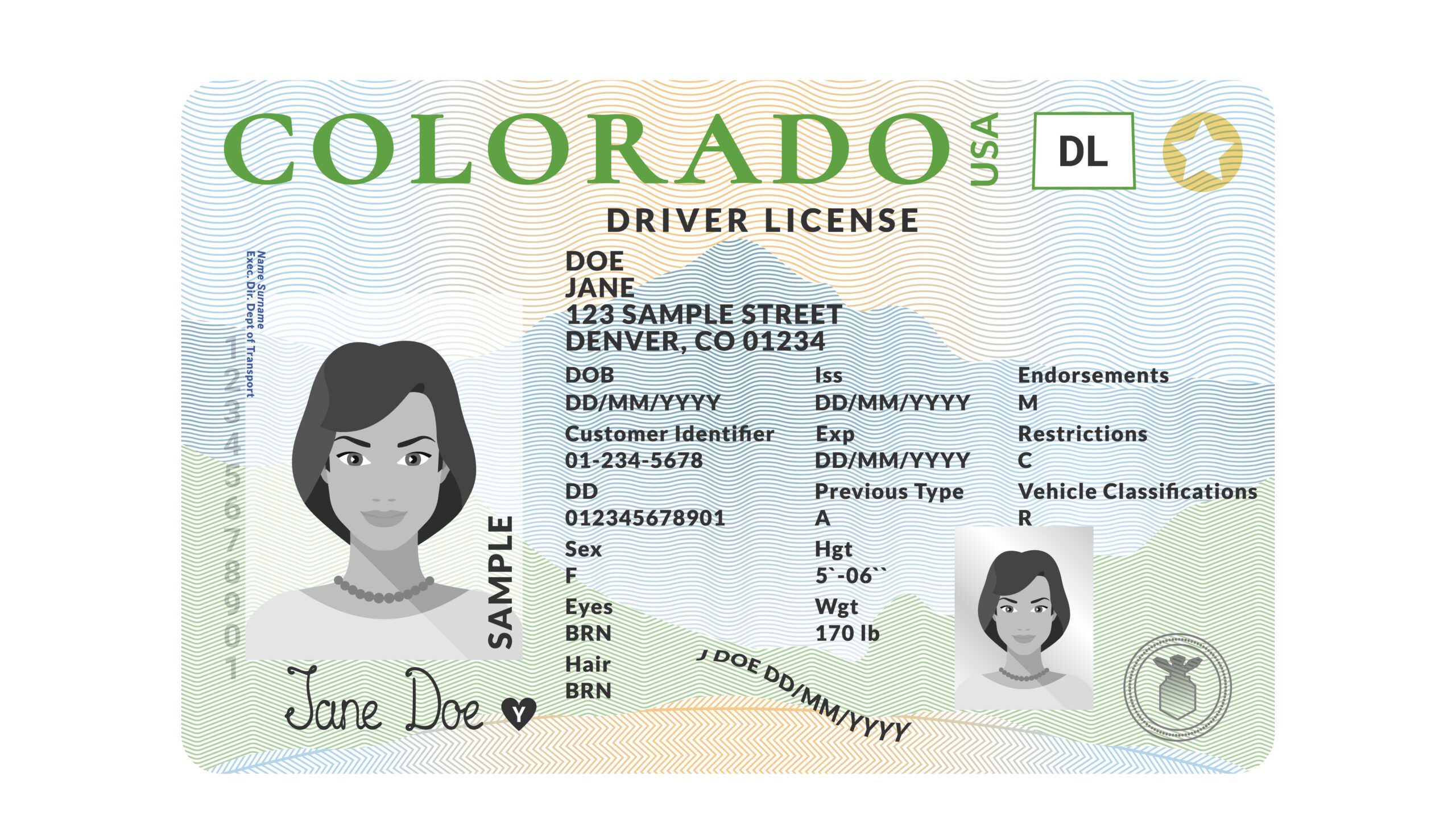
On Wednesday, February 12, 2025, Chaer Robert, CCLP’s Emeritus Advisor, provided testimony to the Senate Health & Human Services Committee in support of Senate Bill 25-008, Adjust Necessary Document Program. CCLP is in support of SB25-008, and it is one of our priority bills.
NOTE: The Necessary Document Program helps individuals pay for IDs and driver’s licenses, and the documents necessary to obtain them. Though the program budget is capped at $300,000 per year, currently, it covers the cost of more than 10,000 documents per year. Foregoing an ask for needed additional funding in this challenging budget year SB25-008 improves the Necessary Document Program by coverage of the cost of documents at the point of service (i.e., at DMV and vital statistics offices, subject to available funding.) It also allows people to self-attest their eligibility.
Thank you, Mr. Chairman and members of the Committee,
I’m Chaer Robert, Emeritus Advisor at Colorado Center on Law and Policy. CCLP is an anti-poverty organization advancing the rights of every Coloradan. One of our current legislative priorities is to remove unnecessary hurdles so Coloradans can get their needs met.
CCLP led the effort in 2016 to pass HB1386, funding the Necessary Documents Program. It built on a community-based effort — the Colorado Collaborative ID Project — to help people get IDs. IDs had become increasingly necessary to obtain public benefits, health care, work, and housing. Many people had challenges in getting or paying for IDs or driver’s licenses, as well as documents needed to apply for an ID. Older adults, those with mobility issues, memory problems or severe development disabilities, those coming out of incarceration, victims of domestic violence or natural disaster fleeing their homes, as well as those experiencing homelessness were especially challenged.
Over the years, the state addressed the problem in many ways, in addition to the creation of this program. SB10-006 allowed those 60 and older to get a Colorado ID card for free. The Department of Corrections set up its own state ID program through HB14-1336 and SB10-006. It recognized the need for people to have an ID to successfully return to the community. With SB13-251, the legislature created a way for those without citizenship or permanent residency status to get their own state ID or driver’s license. The Department of Revenue created DMV2GO which schedules stops in areas far from a DMV or to organizations with large groups of clients needing IDs to reduce the transportation barriers.
The Necessary Document Program plays a part in the shared goal of Coloradans having ID documents. It reduces the barrier of cost, paying for about 10,000 documents per year. But it is bogged down by a shortage of funds causing tight rationing (which this bill does not address) and by the complicated structure and function of the program (which this bill does address).
CCLP supports SB008 so that eligible individuals, who frequently lack transportation or have mobility issues, no longer have to make stops in two different places within 30 days to get a $12.67 state ID or a $30.87 driver’s license paid with a physical paper voucher.
We ask for your support.
Chaer Robert
Emeritus Advisor
Colorado Center on Law and Policy
Update: SB25-008 passed the Senate Health & Human Services Committee on 2/12/2025 and will be heard in the Senate Appropriations Committee.
Recent articles
CCLP testifies in support of price transparency consumer protections
Charles Brennan provided testimony in support of HB26-1012, which would have required sellers to provide consumers with the prices of the delivered goods and the goods available at the store for price transparency and fairness. It also would have prohibited unfair or deceptive trade practices by charging unreasonably excessive prices for goods and services.
CCLP testifies in support of worker protections
Chris Nelson provided testimony in strong support of House Bill 26-1054, which would allow Colorado to step in to address declining workplace safety standards due to federal rollbacks and decline in enforcement, and allows for individual workers and labor unions to enforce their rights through private right of action.
CCLP testifies against HOAs requiring “proof of need” for language access
Morgan Turner provided testimony against HB26-1201 which would require owner's to provide "proof of need" prior to HOAs providing correspondence and notices in a language other than English.
CCLP testifies in support of ITINs for non-educational opportunities
Milena Tayah provided testimony in support of HB26-1143, which addresses the background check barrier for educational opportunities. It would require that an ITIN be allowed in lieu of a SSN when required for these background checks.