Charles Brennan provided testimony in support of HB26-1012, which would have required sellers to provide consumers with the prices of the delivered goods and the goods available at the store for price transparency and fairness. It also would have prohibited unfair or deceptive trade practices by charging unreasonably excessive prices for goods and services.
Bethany Pray serves as CCLP's Chief Legal and Policy Officer. Her areas of expertise include regulatory analysis and advocacy for Medicaid and commercial coverage, access to behavioral health benefits, Medicaid eligibility and much more. Staff page ›
Recent articles
CCLP testifies in support of worker protections
Chris Nelson provided testimony in strong support of House Bill 26-1054, which would allow Colorado to step in to address declining workplace safety standards due to federal rollbacks and decline in enforcement, and allows for individual workers and labor unions to enforce their rights through private right of action.
CCLP testifies against HOAs requiring “proof of need” for language access
Morgan Turner provided testimony against HB26-1201 which would require owner's to provide "proof of need" prior to HOAs providing correspondence and notices in a language other than English.
CCLP testifies in support of ITINs for non-educational opportunities
Milena Tayah provided testimony in support of HB26-1143, which addresses the background check barrier for educational opportunities. It would require that an ITIN be allowed in lieu of a SSN when required for these background checks.
Executive Order project wrap-up
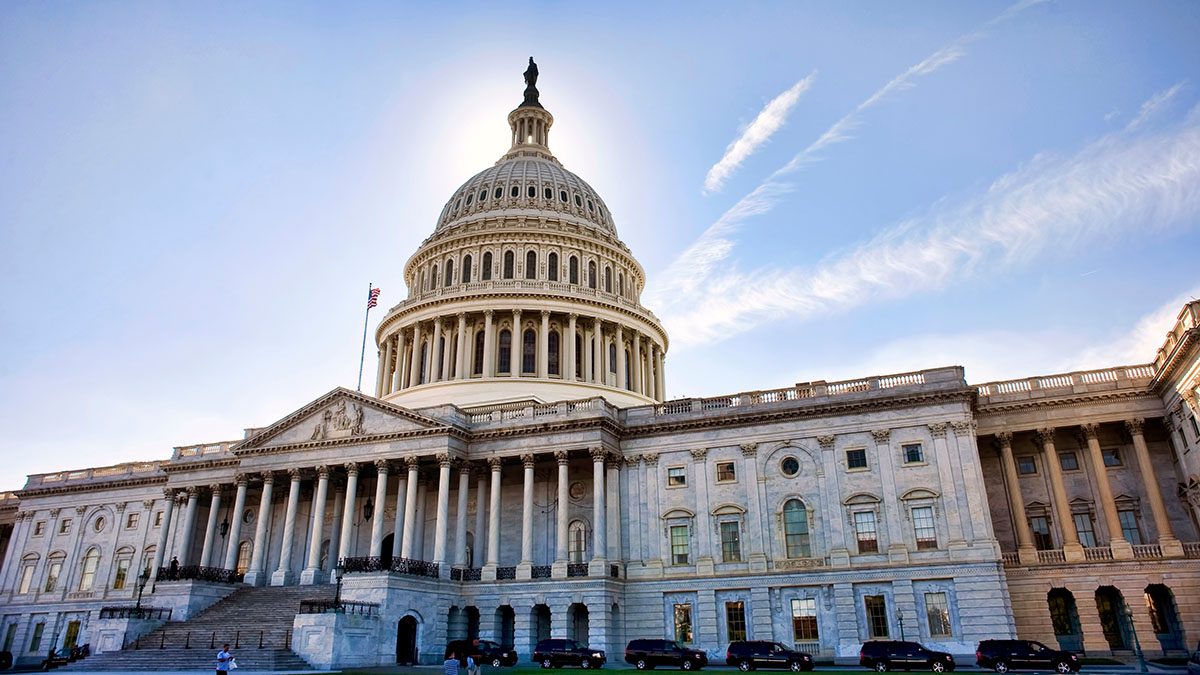
CCLP has made the decision to conclude our Executive Order (EO) updates. However, we’ve learned a lot from the process that we feel is worth sharing.
First: The scale of Trump’s executive orders is unprecedented, both in terms of the number of orders and the sweep of topics addressed. Some were likely drafted in advance of Trump’s second inauguration, while others appear to have been written as hasty responses to the news items of the day. Some EOs have narrowly targeted perceived opponents of the administration, while others have attempted to rewrite or discard established laws passed by congress. Many appear to be written without regard to the legally-defined scope of what an EO can actually accomplish. But keeping up with the volume of activity — to understand the meaning of each order, evaluate the implications for the communities we serve, and even determine whether or not an order is legitimate — has proven challenging, to say the least.
Second: At the same time, this administration has added to the chaos with equally sweeping actions of other kinds, such as proclamations, peremptory and often illegal firings by the Department of Government Efficiency (DOGE), and a January 2025 directive that eliminated churches and schools as places protected from immigration enforcement.
This storm of primarily punitive action seems designed to provoke, overwhelm, and inspire fear. Fear is understandable, but it can be damaging or deadly when it results in concessions to illegal action. In fact, many EOs statements are without clear effect. Others threaten future steps. Some have immediate impacts.
Third: The good news is that when impacts have been clear and immediate, we have seen states, civil rights firms, and private entities step up to file suit. Litigation often moves more slowly than the public would like, spooling out over months or years. However, a great number of those lawsuits have resulted in quick action by the courts to temporarily or permanently stop illegal or unconstitutional government actions. Court action illustrates the essential role of the judiciary in ensuring a balance of powers in government. A few examples:
- After Perkins Coie challenged EO 14230, the court granted the firm’s motion of summary judgment and issued a permanent injunction.
- A suit by the Rocky Mountain Immigrant Advocacy Network (RMIAN) and the ACLU resulted in a preliminary injunction on May 6 that protected the class of Coloradans from detention and deportation.
- A suit by the National Association of Diversity Officers in Higher Education regarding EO 14151, that sought to end Diversity, Equity and Inclusion Programs, resulted in a preliminary injunction.
To fully cover this administration’s executive orders for public consumption, with the level of attention and legal analysis they demand, would require multiple full-time employees dedicated solely to this work. We have come to the conclusion that continuing to provide this level of focus would detract from our primary antipoverty mission here in Colorado, and so we have decided to discontinue the regular updating of our EO page. Fortunately, there are several organizations with the capacity and expertise to continue to provide such analysis, and so we would like to direct those who are interested in tracking EOs (and the flood of responsive litigation) to those sources, which you may find at the end of this article.
While we are concluding our EO update page at this time, we remain unwavering in our commitment to advancing the rights of every Coloradan. We will continue to monitor actions from the Trump administration that may impact the communities we serve here in Colorado, will continue to advocate on behalf of those experiencing poverty in our state, and we will continue to take action as needed, where our contributions can provide the greatest impact to further a Colorado where everyone has what they need to succeed.
EO trackers
- Congressional Black Caucus
- Firm EO trackers:
Litigation trackers
Recent articles
CCLP testifies in support of price transparency consumer protections
Charles Brennan provided testimony in support of HB26-1012, which would have required sellers to provide consumers with the prices of the delivered goods and the goods available at the store for price transparency and fairness. It also would have prohibited unfair or deceptive trade practices by charging unreasonably excessive prices for goods and services.
CCLP testifies in support of worker protections
Chris Nelson provided testimony in strong support of House Bill 26-1054, which would allow Colorado to step in to address declining workplace safety standards due to federal rollbacks and decline in enforcement, and allows for individual workers and labor unions to enforce their rights through private right of action.
CCLP testifies against HOAs requiring “proof of need” for language access
Morgan Turner provided testimony against HB26-1201 which would require owner's to provide "proof of need" prior to HOAs providing correspondence and notices in a language other than English.
CCLP testifies in support of ITINs for non-educational opportunities
Milena Tayah provided testimony in support of HB26-1143, which addresses the background check barrier for educational opportunities. It would require that an ITIN be allowed in lieu of a SSN when required for these background checks.