A voter guide to funding health care, childcare and public schools Coloradans need affordable health care, reliable childcare, and strong public schools to build economic security. Colorado Center on Law and Policy supports Amendment 87 and Proposition NN because...
An expert in policy advocacy and coalition building, CCLP Emeritus Advisor Chaer Robert has dedicated her career to helping people meet their basic needs and expanding economic opportunity. Staff page ›
Recent articles
Economic policy and young adulthood in Colorado: Part Two
Part Two in our Young Adult series examines eleven common--but false--narratives about young adults, life choices, and the opportunities available to them.
Guest Column: Tax Flight, The Harmful Persistence of an Unfounded Idea
CCLP volunteer Elzer McReynolds argues why tax flight is a harmful idea to states trying to enact higher taxes on the top 1% of earners.
CCLP reflections from Litigation and Advocacy Leaders Conference
Annie Martínez reflects on the Litigation and Advocacy Leaders Conference they attended with support from our CCLP Rights Defenders donors.
CCLP testifies in opposition to reduction in state income tax
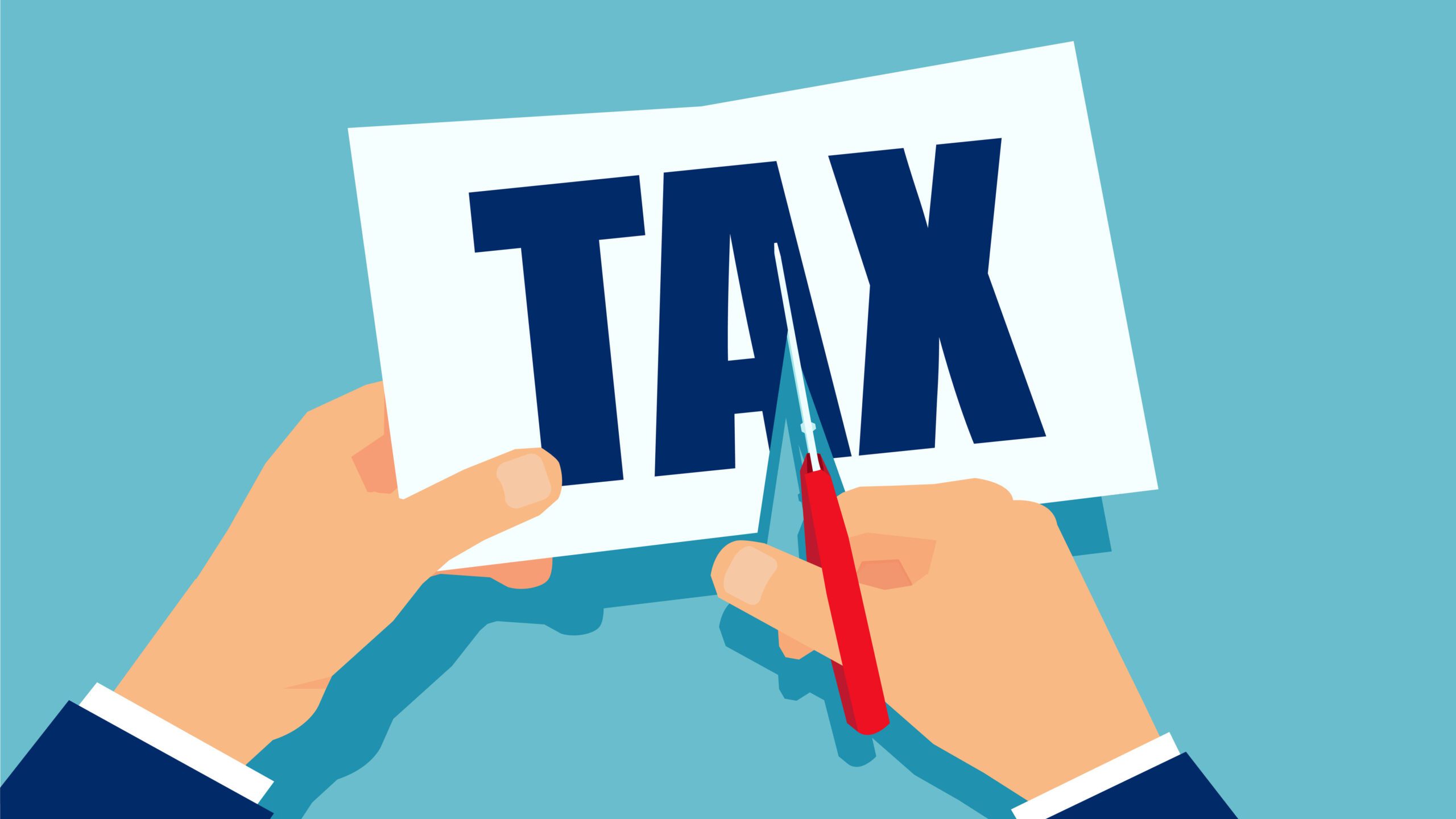
On Thursday, February 27, 2025, Chaer Robert, CCLP’s Emeritus Advisor, provided testimony to the Senate State, Veterans, & Military Affairs Committee in opposition of Senate Bill 25-138, Permanent Reductions to State Income Tax. CCLP is in opposition of SB25-138.
Note: House Bill 25-138, Permanent Reduction to State Income Tax, sponsored by Senator John Carson (R-Douglas County) would have permanently reduced the state income tax rate from 4.40 percent to 4.25 percent for tax years 2025-2034. For tax year 2035 and later it would eliminate the state income tax. The bill would lower state revenue by about $450 million per year in the near future. Elimination of the state income tax in 2035 would reduce revenues by $18 billion per year. Most witnesses opposed the bill, highlighting our state’s current budget problems and likely reductions in services, especially related to health care and education. CCLP’s testimony focused on how income tax rate cuts provide no benefit to large swaths of our population. The bill died in Senate State, Veterans & Military Affairs Committee on a 3-2 vote.
Thank you, Mr. Chair and Members. I’m Chaer Robert representing the Colorado Center on Law and Policy. CCLP is an anti-poverty organization fighting for the rights of all Coloradans.
Since the state income tax rate was reduced from 5% to 4.75% in 1999, I would constantly disagree with those who said, “an across-the-board income tax rate cut benefits everyone.” As spelled out in the Demographic Note, “those with income too low to owe income taxes benefit not at all.” For example, a couple earning under $29,200 per year would not get any tax reduction from this bill, since their income is less than the federal standard deduction for 2024. In fact, they lose much of any TABOR refund they would otherwise get (see Table 2A of the Demographic Note, page 7).
State level TABOR refunds are rebated through income tax filing for ease of administration, but represent both sales tax and income tax collections. According to the 2022 Department of Revenue Tax Profile and Expenditure Report (page 200), the lowest income Coloradans pay the highest percentage (7.6%) of their incomes in state taxes, while those earning above $200,000 per year pay the lowest percentage of their income (4.1%) in state taxes, primarily because of our higher sales tax and flat income tax rate.
Does this bill help older Coloradans? The Demographic Note does not analyze bills by age. Since those of us over 65 already get extra income tax breaks, most older adults are unlikely to benefit from the bill’s passage. Why?
- Seniors have a higher standard deduction. If a couple are both 65 or older, $32,300 is deducted from taxable income instead of $29,200.
- Those 65 and older pay no state income tax on any Social Security earnings (effective with HB21-1311).
- The first $24,000 of retirement income for each individual 65 or older is not taxed. So, individuals are not taxed for any Social Security income OR up to $24,000 each in overall retirement income, whichever is greater.
This means a couple both 65 or older likely do not pay Colorado income taxes unless their income exceeds $80,300. For an individual filer over 65, their income would need to exceed $38,600. For most seniors, the main impact of this bill would be a much smaller TABOR refund.
Please oppose SB138.
Chaer Robert
Emeritus Advisor
Colorado Center on Law and Policy
Update: SB25-138 was postponed indefinitely on 2/27/2025.
Recent articles
Why CCLP supports Amendment 87 and Proposition NN and opposes Proposition 136
A voter guide to funding health care, childcare and public schools Coloradans need affordable health care, reliable childcare, and strong public schools to build economic security. Colorado Center on Law and Policy supports Amendment 87 and Proposition NN because...
Economic policy and young adulthood in Colorado: Part Two
Part Two in our Young Adult series examines eleven common--but false--narratives about young adults, life choices, and the opportunities available to them.
Guest Column: Tax Flight, The Harmful Persistence of an Unfounded Idea
CCLP volunteer Elzer McReynolds argues why tax flight is a harmful idea to states trying to enact higher taxes on the top 1% of earners.
CCLP reflections from Litigation and Advocacy Leaders Conference
Annie Martínez reflects on the Litigation and Advocacy Leaders Conference they attended with support from our CCLP Rights Defenders donors.