CCLP volunteer Elzer McReynolds argues why tax flight is a harmful idea to states trying to enact higher taxes on the top 1% of earners.
Anthony Lux serves as CCLP's director of communications. His areas of expertise include institutional communications strategies, constituency growth and network activation for cause-driven organizations. Staff page ›
Recent articles
CCLP reflections from Litigation and Advocacy Leaders Conference
Annie Martínez reflects on the Litigation and Advocacy Leaders Conference they attended with support from our CCLP Rights Defenders donors.
Economic policy and young adulthood in Colorado: A new report series from CCLP
CCLP’s newest report series focuses on economic policy and young adulthood in Colorado and the ways in which public benefits do and do not support their needs.
CCLP comments on Xcel Energy’s proposed rate increase
Milena Tayah provided comments to the Public Utilities Commission regarding Xcel Energy’s proposed rate increase on Colorado consumers’ energy bills.
New CCLP Issue Brief released: Life after Chevron
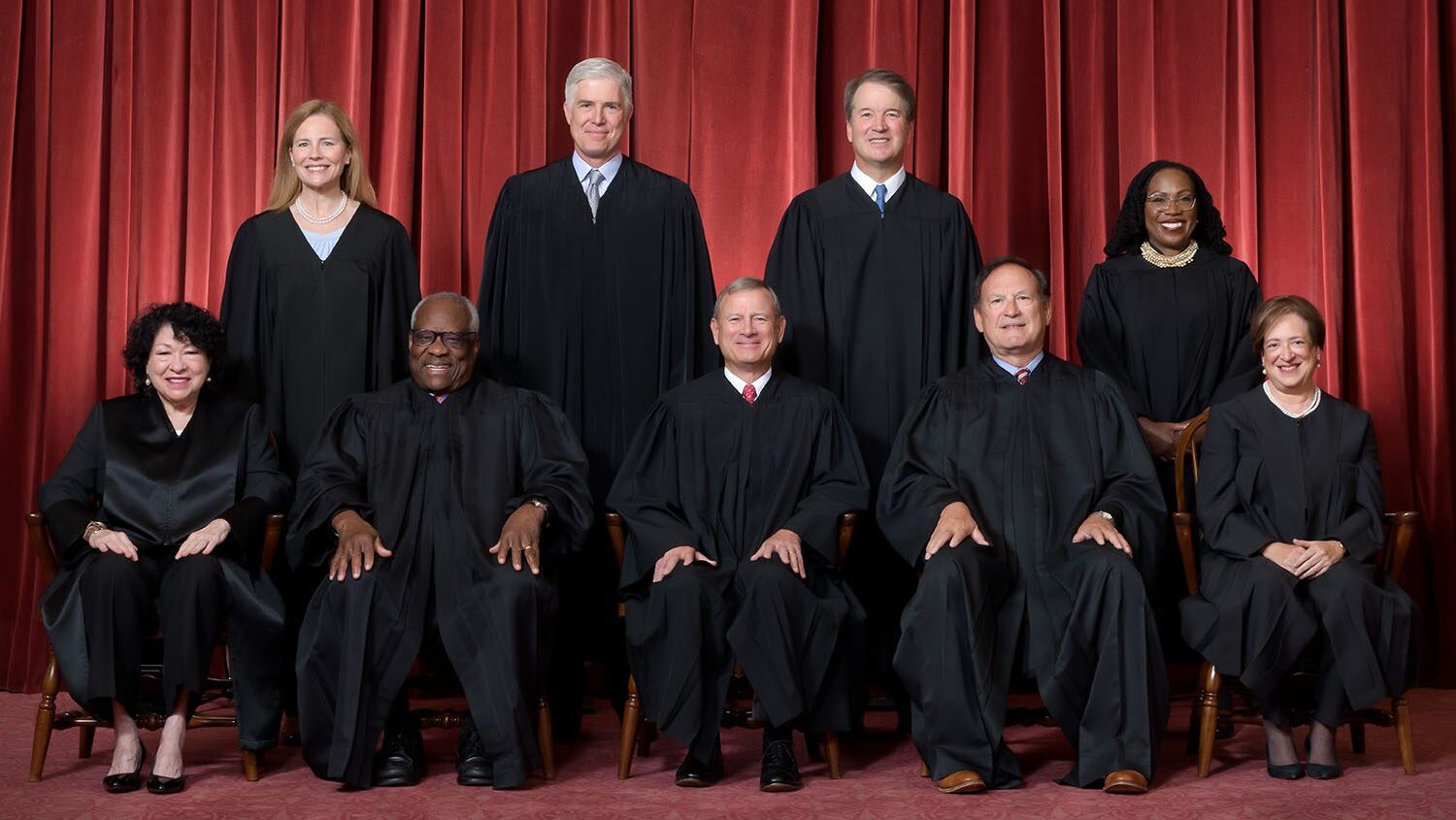
The U.S. Supreme Court’s decision last year to overturn the Chevron doctrine marked one of the most consequential shifts in administrative law in decades.
For over 40 years, courts deferred to federal agencies’ interpretations of ambiguous statutes, allowing expert regulators to shape policies that govern health care, workers’ rights, housing, civil rights, and more. The Roberts Court’s decision in Loper Bright Enterprises v. Raimondo, coupled with the statute of limitations-resetting decision in Corner Post, Inc. v. Board of Governors, dismantled this precedent, shifting the balance of power significantly, with courts assuming a greater role in determining the scope of regulatory authority.
The implications of these two decisions are profound, touching nearly every aspect of public policy. While we are uncertain how future courts may move forward without deference to Chevron, the potential of these rulings in tandem is concerning, particularly in light of President Trump’s unprecedented attacks on federal agencies and their public servants since the start of his second administration this year.
Given the dramatic changes to the administrative state in just a few short months, CCLP’s Litigation Director Annie Martínez has produced a comprehensive issue brief analyzing the implications of the U.S. Supreme Court’s decision to overturn the Chevron doctrine. The brief, Life after Chevron, explores how the two court rulings shift power from federal agencies to the courts, affecting critical policy areas including health care, workers’ rights, housing, and civil rights. From there, the brief explores paths for continued agency influence and policy oversight, particularly through legislative collaboration, strategic rulemaking, and guidance development.
Key findings
The brief highlights several major policy areas affected by the Court’s decision:
- The end of the Chevron Doctrine marks a shift in how courts must rule on interpretations of law by federal executive branch agencies.
- Potential implications for the Loper Bright decision must be examined in the light of the Corner Post case the Supreme Court also ruled last year, which changes the statute of limitations for claims against federal regulations.
- Regulations affecting every aspect of American life may be upended by these two Supreme Court decisions, as regulated entities may choose to file new claims against even long-standing regulations. However, the outcomes of such challenges are yet to be determined.
- Particular areas of regulation which are relevant in the fight against poverty include health, worker’s rights, housing, and disability, and civil rights.
- Loper Bright and Corner Post do not directly impact state-level regulation in Colorado.
- While these decisions leave much of the administrative state on less stable ground, federal agencies still have key opportunities to influence legislation and continue to maintain their areas of oversight.
Download the full issue brief Life after Chevron in our resource library.
Recent articles
Guest Column: Tax Flight, The Harmful Persistence of an Unfounded Idea
CCLP volunteer Elzer McReynolds argues why tax flight is a harmful idea to states trying to enact higher taxes on the top 1% of earners.
CCLP reflections from Litigation and Advocacy Leaders Conference
Annie Martínez reflects on the Litigation and Advocacy Leaders Conference they attended with support from our CCLP Rights Defenders donors.
Economic policy and young adulthood in Colorado: A new report series from CCLP
CCLP’s newest report series focuses on economic policy and young adulthood in Colorado and the ways in which public benefits do and do not support their needs.
CCLP comments on Xcel Energy’s proposed rate increase
Milena Tayah provided comments to the Public Utilities Commission regarding Xcel Energy’s proposed rate increase on Colorado consumers’ energy bills.