A voter guide to funding health care, childcare and public schools Coloradans need affordable health care, reliable childcare, and strong public schools to build economic security. Colorado Center on Law and Policy supports Amendment 87 and Proposition NN because...
Bethany Pray serves as CCLP's Health Policy Lead. Her areas of expertise include regulatory analysis and advocacy for Medicaid and commercial coverage, access to behavioral health benefits, Medicaid eligibility and much more. Staff page ›
Recent articles
Economic policy and young adulthood in Colorado: Part Two
Part Two in our Young Adult series examines eleven common--but false--narratives about young adults, life choices, and the opportunities available to them.
Guest Column: Tax Flight, The Harmful Persistence of an Unfounded Idea
CCLP volunteer Elzer McReynolds argues why tax flight is a harmful idea to states trying to enact higher taxes on the top 1% of earners.
CCLP reflections from Litigation and Advocacy Leaders Conference
Annie Martínez reflects on the Litigation and Advocacy Leaders Conference they attended with support from our CCLP Rights Defenders donors.
Coloradans address OBBBA’s attack on public programs

The One Big Beautiful Bill Act (OBBBA), or HR1, imposes a slew of unprecedented, inconsistent, and harsh eligibility requirements on the nation’s core health and nutrition programs: Medicaid and SNAP. In their quest to fund tax cuts for high-income Americans, the Act’s proponents are counting on states’ inability to quickly comply with these requirements and on people’s struggle to navigate the reams of additional paperwork. Without massive disenrollment, these savings won’t materialize. If the rollout of OBBBA goes as anticipated, Coloradans with the fewest resources will experience the greatest economic loss, while they strive to also keep a roof over their heads, care for loved ones, manage illness, work, and pursue a better life.
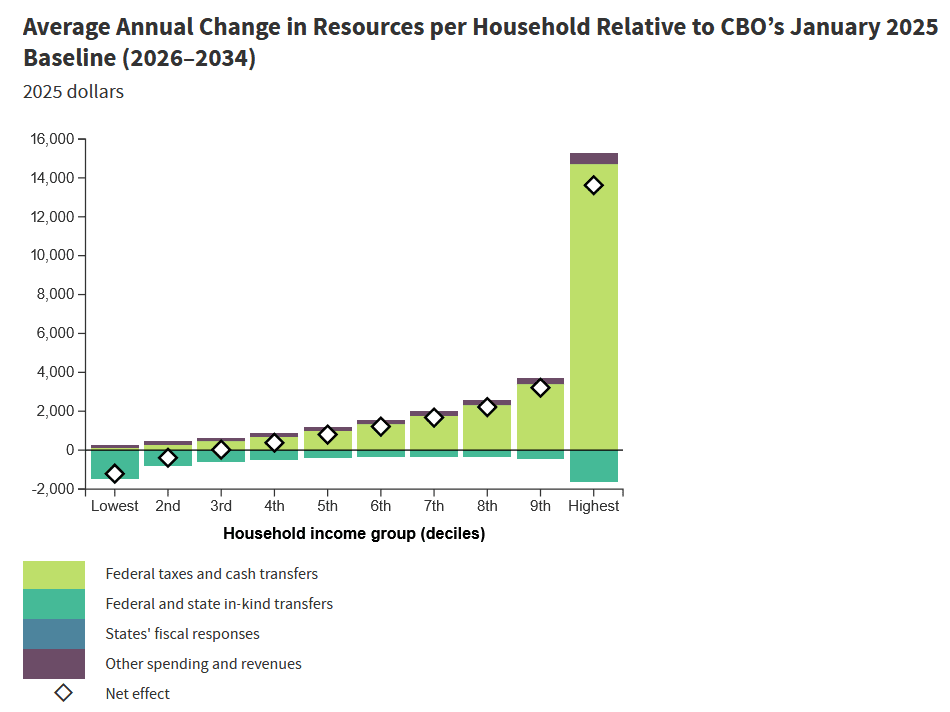
https://www.cbo.gov/interactive/2025-reconciliation-act
The level of suffering experienced by Coloradans, however, will depend on how the state prepares and implements these upcoming changes. The window for implementation is short, with expanded SNAP work requirements starting November 1, and Medicaid eligibility changes effective beginning in late 2026. Where other states took years and many millions of dollars to implement experimental work requirements programs for Medicaid, OBBBA gives no such allowances.
To avoid the worst consequences for Coloradans and for the business sectors that rely on public benefits programs—grocery stores and farmers, clinics, hospitals and pharmacies—Colorado will need an “all-hands-on-deck” effort that capitalizes on expertise across state agencies and within communities. Recognizing the absence of any such effort by Colorado’s Governor, CCLP convened a group in August 2025 with representation from county and state agencies, health providers, community-based organizations, and enrollees, all of whom bring essential viewpoints on the function—and dysfunction—of public programs and connections to work.
A set of detailed recommendations from this group was shared with policymakers in state government and the Colorado legislature on October 30. These recommendations are only one step in the implementation process. During the last big program change, when the state re-evaluated Medicaid eligibility for the 1.7 million Coloradans who had enrolled during the COVID-19 Public Health Emergency, Colorado learned the hard way just what happens when the state does not fully engage the public in planning and implementation. Systemic problems, some of which could have been identified and addressed in advance, led to a massive loss of enrollment, medical crises, and economic hardship for families and the providers who served them.
To reduce harm, the implementation of OBBBA will require a massive and collaborative statewide effort. It can’t be done without humility on the part of state leadership, openness to identifying and addressing current shortcomings, and regard for the work and perspectives of community members, state and county staff, providers, advocates, and others in the public benefits sphere. This is, very emphatically, a test.
Recommendations on the Implementation of the OBBBA in Colorado
Recent articles
Why CCLP supports Amendment 87 and Proposition NN and opposes Proposition 136
A voter guide to funding health care, childcare and public schools Coloradans need affordable health care, reliable childcare, and strong public schools to build economic security. Colorado Center on Law and Policy supports Amendment 87 and Proposition NN because...
Economic policy and young adulthood in Colorado: Part Two
Part Two in our Young Adult series examines eleven common--but false--narratives about young adults, life choices, and the opportunities available to them.
Guest Column: Tax Flight, The Harmful Persistence of an Unfounded Idea
CCLP volunteer Elzer McReynolds argues why tax flight is a harmful idea to states trying to enact higher taxes on the top 1% of earners.
CCLP reflections from Litigation and Advocacy Leaders Conference
Annie Martínez reflects on the Litigation and Advocacy Leaders Conference they attended with support from our CCLP Rights Defenders donors.